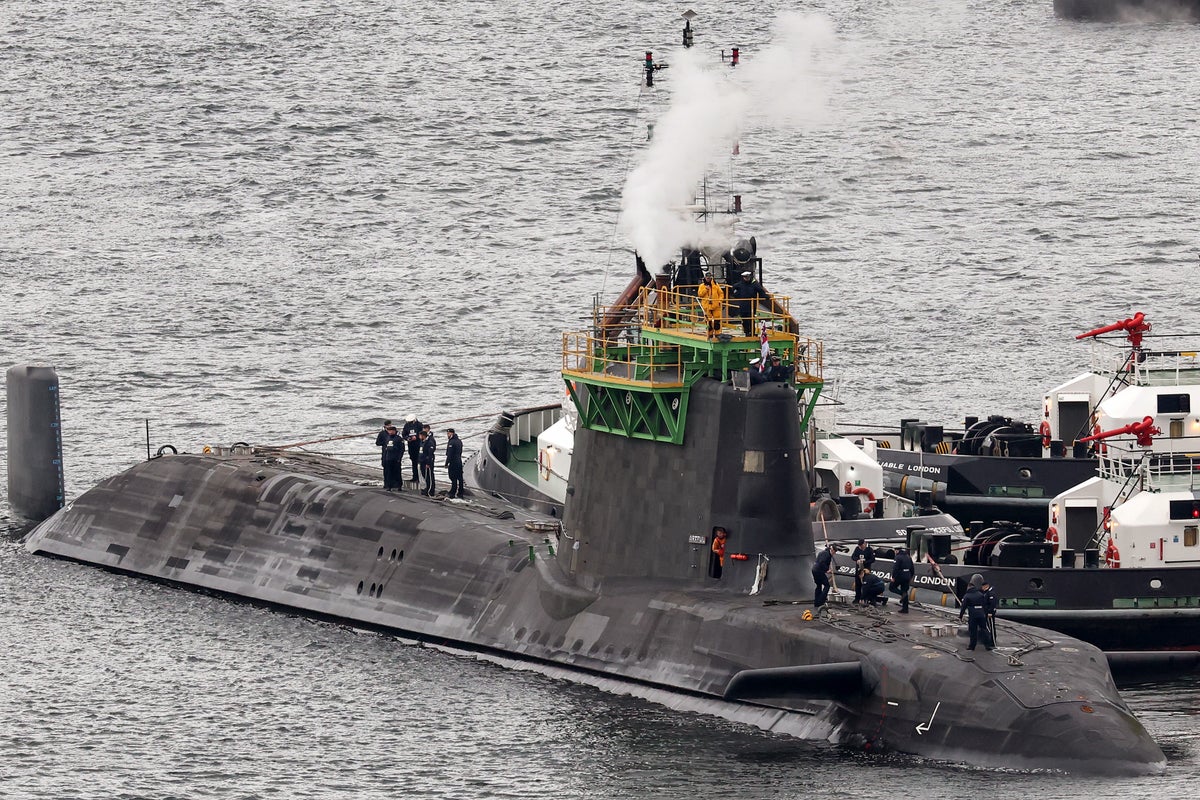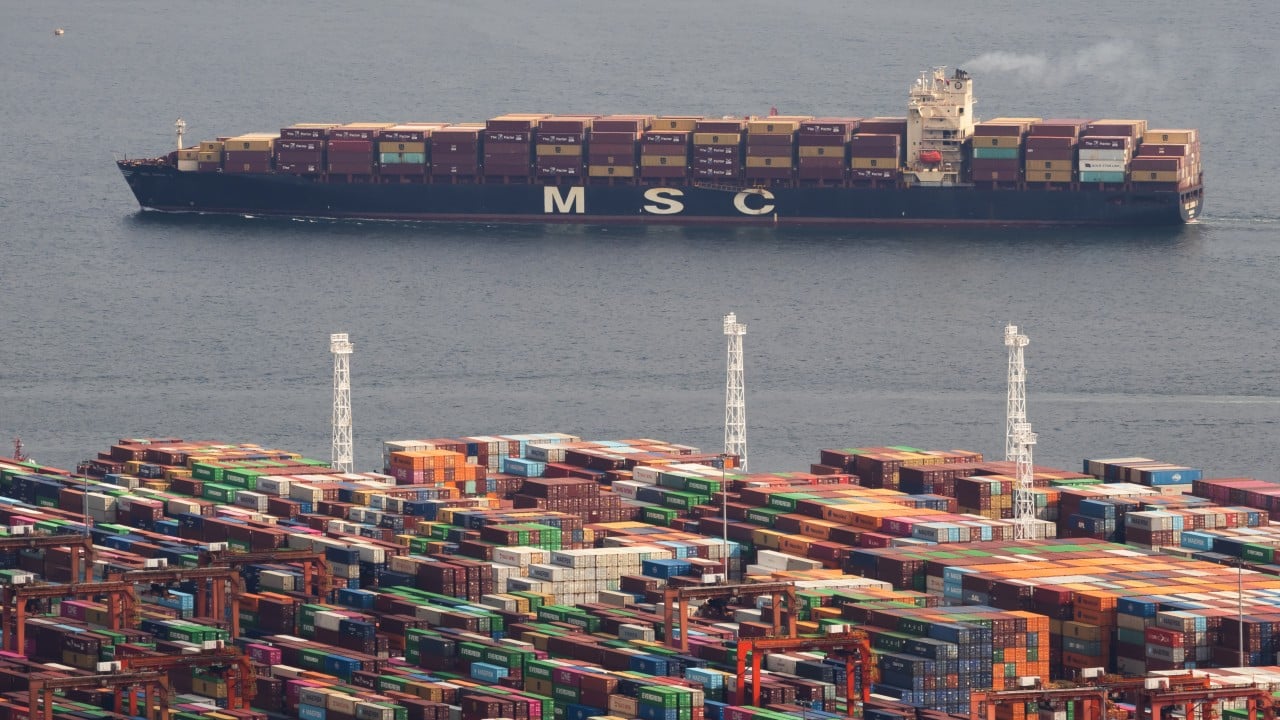
Ask any military strategist in Beijing about the country's economic survival, and they will point straight to a narrow stretch of water barely 1.5 miles wide. That bottleneck is the Strait of Malacca. Roughly eighty percent of China's imported crude oil and a vast majority of its international trade funnel through this single maritime throat. If a high-seas conflict with the United States erupts, the U.S. Navy and its allies can choke off those supply lines overnight. Beijing calls this vulnerability the Malacca Dilemma, and solving it dictates every move the Chinese military makes on the water today.
For years, people assumed that simply building a bigger navy would fix the problem. That logic falls apart under real-world scrutiny. The People's Liberation Army Navy (PLAN) now boasts more hulls than the United States, yet raw numbers mean little when you operate thousands of miles from home shores without reliable base access. Securing far-flung sea lanes requires more than floating grey iron; it demands logistics, political alliances, and geographical workarounds that Beijing largely lacks.
The Overland Bypass Illusion
To escape maritime strangulation, Beijing poured billions into land corridors. The China-Pakistan Economic Corridor and the economic route through Myanmar were supposed to reroute Middle Eastern oil directly inland. In theory, tankers dock at Gwadar or Kyaukphyu, and pipelines pump fuel past sea blockades.
In practice, these projects face brutal ground realities. Insurgencies, local political instability, and rugged terrain turn these corridors into logistical nightmares. The oil volume moving through these pipelines is a tiny fraction of what massive container ships and supertankers carry through maritime lanes. You cannot power the world's second-largest economy on a trickle of overland oil. Ground alternatives help diversify risk, but they cannot replace the sheer cargo capacity of the open ocean.
The Push Into Blue Water Realities
Beijing knows that abandoning the sea is impossible. Instead, the focus has shifted toward building a true blue-water capability under the banner of far-seas protection. This means establishing a network of dual-use port facilities across the Indian Ocean—often dubbed the string of pearls—to service surface ships and submarines.
Yet hosting agreements are fragile. Host nations often hesitate to grant permanent military basing rights out of fear of drawing the ire of Washington or New Delhi. When push comes to shove during a crisis, foreign ports may deny access to avoid becoming targets. Operating a surface fleet thousands of miles away without friendly air cover or secure supply chains exposes warships to massive tactical risks. Submarines offer a better shield, but slipping past acoustic choke points monitored by advanced allied sensor networks remains an uphill battle.
The Arctic Gambit and Seasonal Realities
As traditional southern routes grow increasingly tense, Beijing looks north. The Polar Silk Road initiative aims to utilize the Northern Sea Route across the Arctic during summer melt windows. Regular container services from eastern Chinese ports to Europe via northern waters are beginning to transition from trial runs to commercial schedules.
This northern detour shaves thousands of miles off the journey to Europe, completely bypassing both Malacca and the Suez. Still, treating the Arctic as a silver bullet is a mistake. The route remains frozen for most of the year, requires heavy icebreaker escorts, and depends heavily on cooperation with Moscow. High insurance premiums, shallow bottlenecks, and sparse emergency infrastructure limit the size and frequency of cargo vessels that can make the transit. It is a seasonal safety valve, not an everyday highway.
Redefining Security on the High Seas
Securing trade routes in a high-stakes competition with Washington demands a mix of asymmetric deterrence and economic statecraft rather than direct naval dominance. Beijing is weaponizing supply chains, commercial dependencies, and cyber infrastructure to raise the cost of any Western blockade attempt. If the United States tries to shut down maritime commerce, the global economic blowback would devastate Western markets just as quickly.
The coming high-seas struggle is not about winning a single decisive Trafalgar-style battle. It is a grinding war of logistics, endurance, and alternative routing. Until Beijing finds a foolproof way to insulate its resource imports from hostile naval power, the shadow of the Malacca Strait will continue to shape every strategic choice the leadership makes.