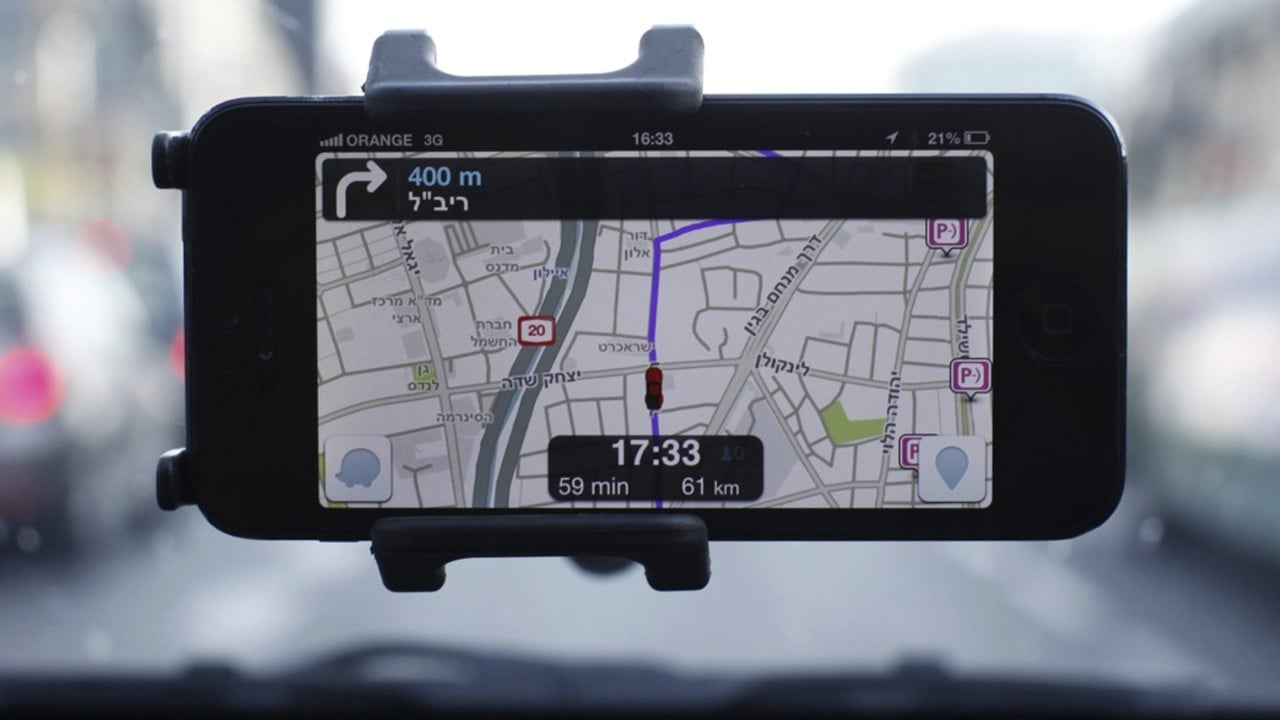
Banning a turn-by-turn navigation app sounds dramatic until you realize what GPS breadcrumbs actually reveal.
In October 2026, Malaysian Prime Minister Anwar Ibrahim ordered an immediate prohibition barring civil servants from using Waze. The reason wasn't a sudden software bug or a licensing dispute. Putrajaya pointed straight to Waze's roots and legal incorporation in Israel, warning that routing official movement through an Israeli-founded platform creates data security and sovereignty risks.
Here's the catch, though. Waze was founded in Israel, yet Google acquired it back in 2013. And right after the announcement, officials scrambled to clarify who the ban actually hits, how it's enforced, and what happens when drivers open the local substitute and find straight lines instead of real-time traffic reroutes.
What Putrajaya Actually Banned and Why It Happened
Following a National Cyber Security Committee meeting chaired by Anwar Ibrahim on October 20, 2026, the government moved fast. Official FAQs and statements from Putrajaya narrowed the rule to civil servants carrying out official duties, warning that defying the directive could bring disciplinary action under the National Security Council.
Anwar's argument centered on jurisdiction and geopolitical tension. Because Waze Mobile Ltd. was incorporated under Israeli law and maintains ties to Israel, the prime minister argued that government travel patterns and user data could face risks of misuse by Israeli authorities. Malaysia maintains no diplomatic relations with Israel and has long taken a vocal stance in support of Palestinians.
Digital Minister Gobind Singh Deo added a technical twist in parliament, noting that movement data can still be tracked through the platform even when someone isn't actively relying on it, and emphasizing legal and security concerns around data coordinated by Israel. By October 24, Anwar even floated the possibility of a broader ban down the road if viable alternatives were ready, while admitting the rollout wasn't flawless.
Waze pushed back hard. A company spokesperson called claims that Waze gathers sensitive government data or lets outside parties exploit user records "completely false," stating that it follows strict privacy policies and global data protection standards.
The Ownership Puzzle Most Headlines Gloss Over
If you've ever spent time digging into corporate filings or app privacy disclosures, you know that "Israel's control" isn't a simple one-line story.
Waze started as an Israeli navigation startup and still has roots and engineering history tied to Tel Aviv. Alphabet's Google bought it in 2013 for roughly $1 billion. Today, Waze sits inside Alphabet's broader mapping and AI ecosystem—even integrating conversational Gemini features—while still having corporate and legal threads in Israel.
That creates a real friction point for policymakers. From a geopolitical and legal standpoint, Malaysian leaders look at corporate incorporation, historical origins, and perceived foreign reach. From a cloud-architecture standpoint, a platform owned by a US tech giant doesn't automatically hand raw state travel logs to a foreign government just because the app originated there.
Honestly, this is where security theater and genuine risk collide. If a government official's phone has leaky app permissions, unpatched OS vulnerabilities, or location tracking enabled across multiple apps, banning one navigation icon won't magically lock down their movements. As Fong Choong Fook, executive chairman of cybersecurity firm LGMS, pointed out, location tracking and route histories are common across plenty of apps—some even more intrusive than navigation tools—and rules should rest on consistent, evidence-based security standards rather than nationality alone.
Why TuJu Struggled Out of the Gate
Whenever a government bans a beloved daily tool, the replacement gets judged under a microscope. In Malaysia, that spotlight landed on TuJu, a homegrown navigation app developed in connection with the Malaysian Highway Authority.
Downloads surged past 700,000 as curiosity and official encouragement spiked. Then reality hit.
Motorists and lawmakers quickly flagged glitches, server hiccups, and barebones routing. Some users reported maps drawing straight lines or lacking the crowdsourced street-level agility—like sudden lane closures, stalls, and neighborhood shortcuts—that made Waze a staple in Klang Valley gridlock. Even Prime Minister Anwar acknowledged room for improvement, and Gobind said efforts were underway to expand TuJu's capabilities beyond tolled highways toward roads leading to highways.
Let's be real: building a crowdsourced live-traffic engine from scratch is grueling. Real-time routing depends on massive, continuous telemetry from thousands of active drivers, accurate road-closure feeds, and battle-tested server scaling during peak hours. A highway-focused app isn't automatically a drop-in replacement for dense urban turn-by-turn navigation.
What This Means for Everyday Drivers and Policy Teams
If you're a regular commuter in Malaysia, the immediate legal mandate applies to civil servants on official duty, not private citizens taking kids to school or driving for ride-hailing apps like Grab. Still, the debate touches every smartphone user because location data is valuable currency.
A few practical lessons stand out from watching this rollout play out:
- Separate policy signals from technical reality. A government directive can send a clear geopolitical message while leaving technical gaps unaddressed if device security isn't standardized.
- Test backups before ditching your primary tool. If you're experimenting with alternatives like TuJu or other mapping options, test them on familiar commutes first so you aren't stuck mid-jam with a frozen map or missing turn.
- Audit location permissions across your phone. Navigation apps are obvious targets, yet weather widgets, retail apps, and social platforms often quietly harvest location pings in the background.
Before rolling out any high-profile tech ban, agencies need a workable alternative already running smoothly and clear rules on mobile device management. Otherwise, you end up with frustrated users, clumsy workarounds, and a bigger headache than the app you tried to ban.
Kini Explainer: Ditch Waze, use Tuju breaks down the government's security rationale and the early push to shift users toward Malaysia's local TuJu navigation app.