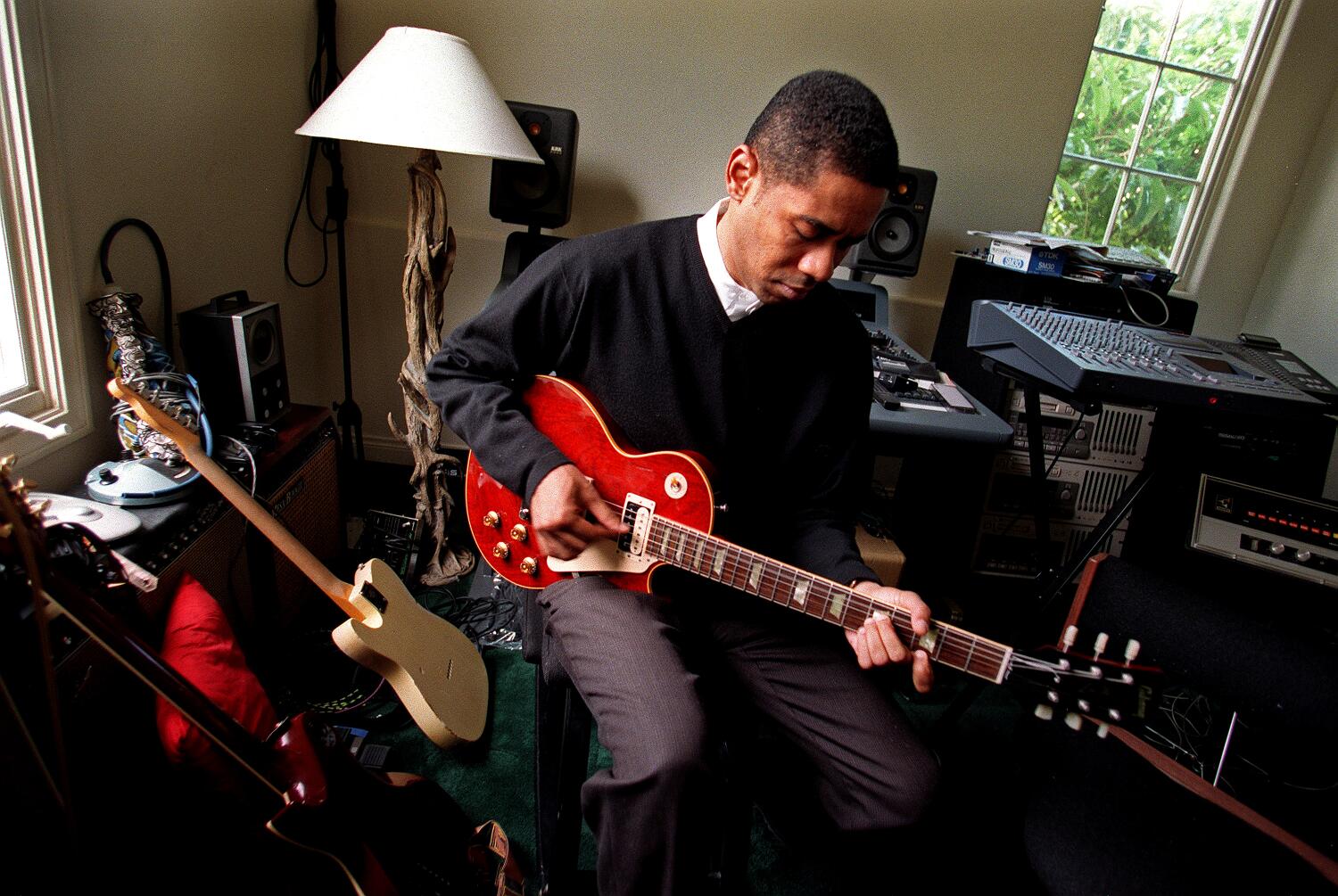
The call always comes in the middle of the night when a titan falls.
In June 2009, the world stopped spinning for a moment. Michael Jackson, a figure who seemed less like a human being and more like a permanent fixture of global culture, was dead. The grief was loud. It filled stadiums, choked news feeds, and played out in weeping vigils across every timezone. But away from the flashing cameras, in the quiet, wood-paneled rooms where reality is negotiated, a different kind of panic was setting in. For an alternative view, check out: this related article.
Michael Jackson had left behind a legacy that was utterly unmanageable. He owed hundreds of millions of dollars. His finances were a tangled web of loans, collateralized catalogs, and impending foreclosures. The King of Pop was, on paper, teetering on the edge of bankruptcy. The estate was a burning house.
Most people looked at the fire and saw an impossible tragedy. John McClain looked at the fire and saw work to be done. Further coverage on this trend has been provided by The Hollywood Reporter.
McClain, a music executive whose name rarely made the front-page headlines but whose influence shaped the very fabric of modern R&B and pop, was quietly named co-executor of Jackson’s estate alongside attorney John Branca. For fifteen years, McClain operated in the shadows, steering a shipwreck back into open waters, turning a mountain of debt into a billion-dollar empire.
When John McClain passed away at the age of 71, there were no stadium vigils. His departure was quiet, much like his life. But to understand the music industry is to understand that the loudest voices rarely hold the real power. It is the quiet ones, the architects in the wings, who decide what we remember and what fades into obscurity.
The Audacity of the Background
To understand how John McClain saved Michael Jackson’s legacy, you have to understand the specific kind of brotherhood they shared. This wasn't a business relationship born out of a corporate boardroom. It was forged in the humidity of Gary, Indiana, and the sudden, blinding neon of Los Angeles.
McClain grew up alongside the Jackson family. He wasn't an outsider looking in on the freak show of mega-celebrity; he was a contemporary who watched the trajectory from the launchpad. He knew Michael before the white glove, before the hyperbaric chambers, and before the world turned him into a caricature.
That history mattered. In the music business, trust is a currency rarer than platinum records.
By the time the late 1980s rolled around, McClain had established himself as a creative force in his own right. As an executive at A&M Records, he wasn't just sitting behind a desk signing checks. He was a sonic architect. When a young Janet Jackson wanted to step out from the massive, suffocating shadow of her older brothers, it was McClain who paired her with Jimmy Jam and Terry Lewis. The result was Control, an album that didn't just top the charts—it shifted the tectonic plates of pop music, blending heavy funk, industrial beats, and raw vulnerability.
McClain had an ear for the culture. More importantly, he had a spine.
Imagine sitting across from a global superstar who is used to hearing nothing but "yes." Imagine being the one person willing to say, "No, that's not good enough. We can do better." That was McClain’s superpower. He wasn't seduced by the glamour because he had seen the machinery from the inside out.
The Billion-Dollar Salvage Mission
When Michael Jackson died, the financial outlook was grim. The estate was saddled with roughly $500 million in debt. The interest alone was an insatiable beast, swallowing up whatever royalties trickled in. The vultures were circling. Wall Street firms, former managers, and creditors were all holding out their hands, waiting to carve up the remains of the empire.
This is where the cold business of art becomes a high-stakes thriller.
If McClain and Branca had misstepped in those first twelve months, the Michael Jackson catalog—including the crown jewel, the Sony/ATV music publishing catalog that held the rights to the Beatles' songs—would have been liquidated. It would have been sold off to the highest bidder to pay down predatory loans. The creative life's work of the greatest entertainer of the twentieth century would have been dismantled like an old car in a junkyard.
Think of an estate executor not as a lawyer, but as a battlefield medic. You have to stop the bleeding first. Then you have to rebuild the body.
McClain’s strategy was brilliant because it focused on the art, not the drama. He understood that the public was exhausted by the tabloid scandals that had defined Jackson’s final years. The solution wasn't to fight the press; it was to remind the world why they loved the music in the first place.
First came This Is It, the documentary constructed from rehearsal footage of the tour that never happened. It was a raw, unfiltered look at a craftsman at work, stripping away the mythology to reveal the musician. It grossed over $260 million worldwide. The bleeding had stopped.
Then came the deals that redefined the entertainment industry. A record-breaking contract with Sony Music. Two separate spectacles with Cirque du Soleil, including Michael Jackson One, which still packs a theater in Las Vegas night after night. A hit Broadway musical that transformed Jackson’s catalog into a theatrical juggernaut.
Under McClain’s quiet stewardship, the estate didn't just pay off the $500 million debt. It generated over $2 billion in revenue.
It is easy to look at those numbers and see greed. But look closer. Look at the human element. Jackson’s three children were left with security, stability, and a protected legacy. His mother was cared for. The creative integrity of the music was preserved, remaining in the hands of those who actually cared about its cultural weight rather than a faceless hedge fund looking for a quick return on investment.
The Cost of the Shadows
There is a profound loneliness in being the caretaker of a ghost.
For the last fifteen years of his life, John McClain’s daily existence was tethered to a dead man’s memory. Every legal battle, every copyright dispute, every documentary detailing the darkest allegations against his childhood friend—McClain had to absorb it all. He had to be the emotional shock absorber for a legacy that was constantly under siege.
He did all of this while battling his own severe health issues. In his later years, McClain was rarely seen in public. He operated via phone calls, late-night emails, and emissaries. He became a mythical figure within the industry—a man everyone knew of, but few could claim to have seen recently.
There is a temptation in our hyper-visible culture to assume that if you aren't posting about it, you aren't doing it. We live in an era of loud executives, CEOs who crave the spotlight just as much as the artists they manage. They give TED Talks, they post on social media, they turn themselves into brands.
McClain belonged to a dying breed of music men who believed that the executive's job was to be invisible. The artist is the light; the executive is the lens that focuses it. If the audience sees the lens, you’ve failed.
His health problems meant that every decision carried a personal tax. Every hour spent negotiating a contract or listening to unreleased masters to ensure the production met Michael’s exacting standards was an hour carved out of his own limited reserves. He didn't need the money. He didn't need the fame. He did it because of a promise made to a friend, and a deep-seated respect for the culture that raised him.
The Final Fade
The news of John McClain’s death passed quickly through the entertainment trades. A few paragraphs detailing his age, his titles, and his survivors. A brief mention of his work with Janet and his role in the estate.
Then the internet moved on. It moved on to the next viral video, the next celebrity feud, the next piece of loud, fleeting noise.
But somewhere in Las Vegas, the lights are dimming right now. A theater is filling up with people from every corner of the globe. They don't speak the same language, they don't share the same politics, and they don't live the same lives. But when the bass drops and the opening chords of "Billie Jean" rip through the speakers, they will all feel the exact same chill down their spines.
They will jump to their feet. They will dance. They will remember what it felt like to be alive when the King of Pop ruled the airwaves.
None of those people will think about John McClain. They won't know his name, they won't know about the hundreds of millions of dollars in debt he erased, and they won't know about the quiet man who spent his final years guarding the vault.
And that is exactly how John McClain wanted it.
The music plays on, pristine and uninterrupted, because someone stayed behind to keep the lights on.