The fluorescent lights in pediatric waiting rooms have a very specific hum. It is a low, droning frequency that vibrates just behind the bridge of your nose, the sound of sterile time stretching thin. Families sit there clutching crumpled insurance cards, coats buttoned to the chin, watching the door beneath the blinking red sign. They are waiting for answers. They are waiting for someone to help their child breathe a little easier, stand a little taller, hurt a little less.
Now, imagine that door opening to reveal not a doctor holding a chart, but a ledger.
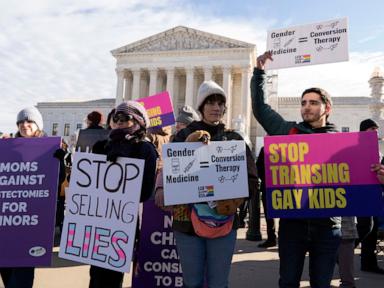
Across the country, a quiet administrative restructuring is taking place behind closed doors. Hospital systems—massive, institutional networks driven by the gravity of federal funding, political crosswinds, and legal exposure—are quietly altering their maps. They are drawing invisible red lines across their own floor plans. These are the hospital deals born from political pressure, specifically tied to federal oversight and the shifting maneuvers of the Trump administration, designed to restrict or dismantle specialized gender-affirming care for transgender children.
To understand what is happening, you have to look past the bureaucratic language of compliance and consent forms. You have to look at what happens when a clinic stops answering the phone.
Let us trace a hypothetical afternoon in a pediatric endocrinology department that has lived through this shift. Maya is fourteen. She is tall in the way that teenagers are before they settle into their bones, wearing a frayed denim jacket covered in enamel pins. For three years, her life has been anchored to this clinic. It was here, in a room that smelled faintly of rubbing alcohol and fresh paper table liners, that she first heard a doctor say words that felt like oxygen: We see you. You are going to be okay.
Puberty, for a transgender adolescent, is not just a biological shift; it is a daily, compounding crisis of misplacement. Every mirror is an interrogation. Every morning shower is a small betrayal. The puberty blockers and eventual hormone therapies offered in these specialized clinics do not work miracles, but they do something more vital. They buy time. They lower the fever of dysphoria enough for a kid to finish their homework, go to the art club, and walk down the hallway without feeling like their own skin is catching fire.
Then came the letters.
In boardrooms thousands of miles from Maya’s hometown, hospital executives weighed the calculus of survival. On one side of the ledger: the moral and clinical obligation to treat vulnerable pediatric patients, backed by the consensus of major medical associations including the American Academy of Pediatrics. On the other side: the threat of federal funding cuts, intense political crosshairs, targeted litigation, and the sheer terror of reputational ruin in a polarized landscape.
When hospital systems strike deals or adjust compliance measures under this kind of pressure, the transition is rarely dramatic. There are no sudden padlockings or cinematic evictions. Instead, it happens through a slow starvation of services. New patient intakes are frozen. Referral lines are quietly redirected. Doctors who spent a decade training to treat complex adolescent endocrine needs find their hands tied by sudden institutional policy shifts.
Consider the mechanics of the restriction. It is surgical in its precision. Hospitals do not necessarily close their doors; they simply redefine who is allowed to cross the threshold. A minor seeking care for a broken arm is welcomed with open arms and state-of-the-art orthopedics. A minor seeking care for gender dysphoria is handed a referral list to clinics three states away, or told that the waiting list is indefinitely closed.
The rationale offered by institutional PR departments is often couched in caution. They talk about "navigating a complex legal environment" or "ensuring alignment with emerging federal guidelines." But the human translation is starker. It means that healthcare, once viewed as an inviolable pact between a physician and a patient, has become a political football.
Why does this matter so deeply, even to those who do not have a transgender child in their family? Because once a hospital system decides that political convenience can override clinical consensus for one group of patients, the precedent is set. Medicine relies on trust. If a hospital can deny care based on who is in the White House or which political faction holds leverage over grant money, the foundation of medical ethics begins to erode for everyone. Who is next? Reproductive health services? Specialized genetic therapies that draw political ire? Experimental treatments that become flashpoints in the next news cycle?
When a hospital yields to external pressure to limit care, the cost is paid in invisible currency. It is paid in the late-night panic attacks of parents who suddenly find their child's lifeline severed. It is paid in the spike of anxiety and depression among adolescents who watch the news and realize that their very existence has become a negotiable term in a corporate settlement.
Data can tell us part of the story. Statistics show that restrictions on gender-affirming care correlate directly with sharp increases in psychological distress and suicidal ideation among trans youth. But numbers struggle to capture the specific weight of silence. They don't capture the sound of a mother crying quietly in a parked car outside a clinic because the receptionist just told her that her child's next appointment has been canceled indefinitely.
We are living through an era where institutional self-preservation frequently masquerades as prudence. Hospitals are complex financial ecosystems, heavily reliant on federal Medicare and Medicaid reimbursements. When political actors signal that funding is contingent upon ideological compliance, the institutional immune system tends to prioritize the balance sheet over the bedside.
Yet, beneath the weight of these corporate maneuvers, something stubborn persists. Real people—doctors, nurses, social workers, and families—are finding ways to adapt, resist, or relocate. Grassroots networks are springing up to help families travel across state lines for care. Clinicians are speaking out, risking their own careers to bear witness to a standard of care they know is lifesaving.
The waiting room lights are still humming. But the map has changed.
If you stand in that hallway long enough, past the administrative hand-wringing and the closed-door legal settlements, you realize that the ultimate battle is not being fought in Congress or in corporate boardrooms. It is being fought in the quiet spaces between a parent and a child, in the determination to exist in a world that keeps trying to draw lines around who is allowed to heal.