Billionaires hoarding Hawaiian land usually triggers instant panic. When a tech titan quietly scoops up parcels through hidden LLCs, locals assume the worst. You think of privatized beaches, restricted access, and skyrocketing home prices driven by outsiders who treat island culture as an aesthetic playground.
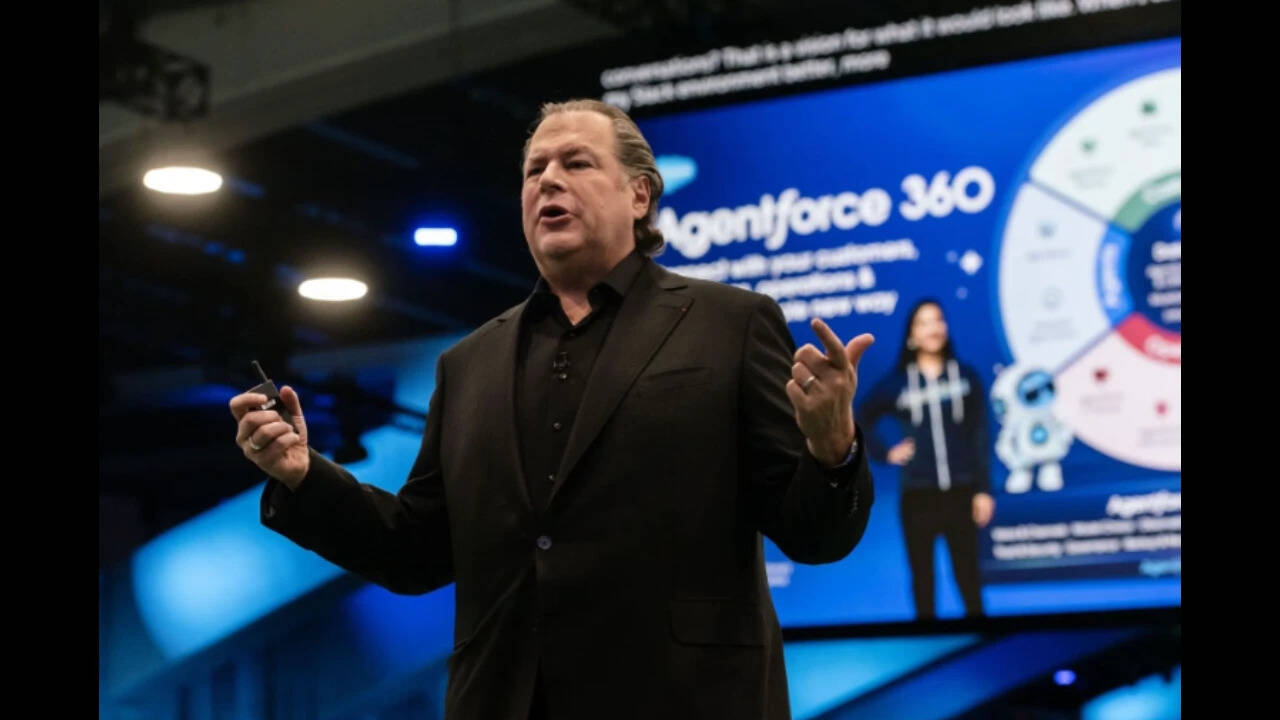
Salesforce CEO Marc Benioff sparked that exact fear. Over two decades, he and his wife Lynne bought more than 600 acres on the Big Island, much of it centered around the ranching town of Waimea. But instead of locking gates or building mega-compound walls like other Silicon Valley elite, they did something entirely unexpected. They handed a massive chunk of it back. Expanding on this theme, you can also read: Structural Arbitrage in Cultural Export The Thames Ganga Aarti Economics.
Breaking Down the Land Purchases
People hate secrets, especially when land is involved. For years, property records showed a web of anonymous corporate entities snapping up acreage in Hawaii. Rumors swirled. Some residents worried Salesforce was planning a massive tech campus in paradise. Others feared displacement in a region where median home prices regularly clear the million-dollar mark.
Benioff flatly denied any corporate expansion plans. The reality of the portfolio looked different once transparency caught up with the acquisitions. Out of the roughly $100 million worth of real estate picked up since 2000, the couple did not keep it all for private use. Observers at CNBC have shared their thoughts on this situation.
They quietly funneled 440 of those acres to the Hawaii Island Community Development Corporation (HICDC), a local nonprofit dedicated to building affordable housing.
Philanthropy Versus Land Grabs
Context matters in Hawaii. Look at Oracle founder Larry Ellison buying almost the entirety of Lanai, or Mark Zuckerberg building a massive wall around his Kauai estate. Tech wealth in the islands often looks like modern feudalism.
Benioff plays a different game, even if the initial stealth approach raised valid alarms. Giving away roughly three-quarters of your total accumulated land—and more than 90 percent of what you bought after 2020—shifts the narrative from a land grab to a localized housing strategy.
The Ouli Project in Waimea serves as the primary testing ground for these donations. The objective is simple: tackle the severe housing shortage facing working-class local families who get priced out by mainland wealth. The initial phases target dozens of affordable housing units, with infrastructure designed to support the local community rather than vacationing elites.
Beyond Real Estate
Land is only part of the equation. Critics often point out that billionaires use philanthropy as a shield against public backlash. Yet, the scale of the financial injection accompanying these property moves is tough to dismiss.
Beyond the acreage handed over to HICDC, the couple poured hundreds of millions into regional infrastructure. This includes massive financial support for local hospitals, funding for public schools, fire safety equipment, and housing stipends for teachers. When local institutions are underfunded and state budgets fall short, private checks from wealthy residents often keep essential services afloat.
Still, skepticism remains a healthy default. Handing out land doesn't erase the underlying economic pressures transforming rural Hawaiian towns into unaffordable enclaves. Community leaders continue to monitor how outside wealth impacts local sovereignty, water rights, and cultural preservation.
Transparency remains the ultimate test for any billionaire operating in the islands. When acquisitions happen behind anonymous corporate curtains, trust breaks down immediately. Benioff’s pivot toward large-scale land donations repairs some of that fractured trust, but the tension between outside capital and local autonomy persists across the Pacific.