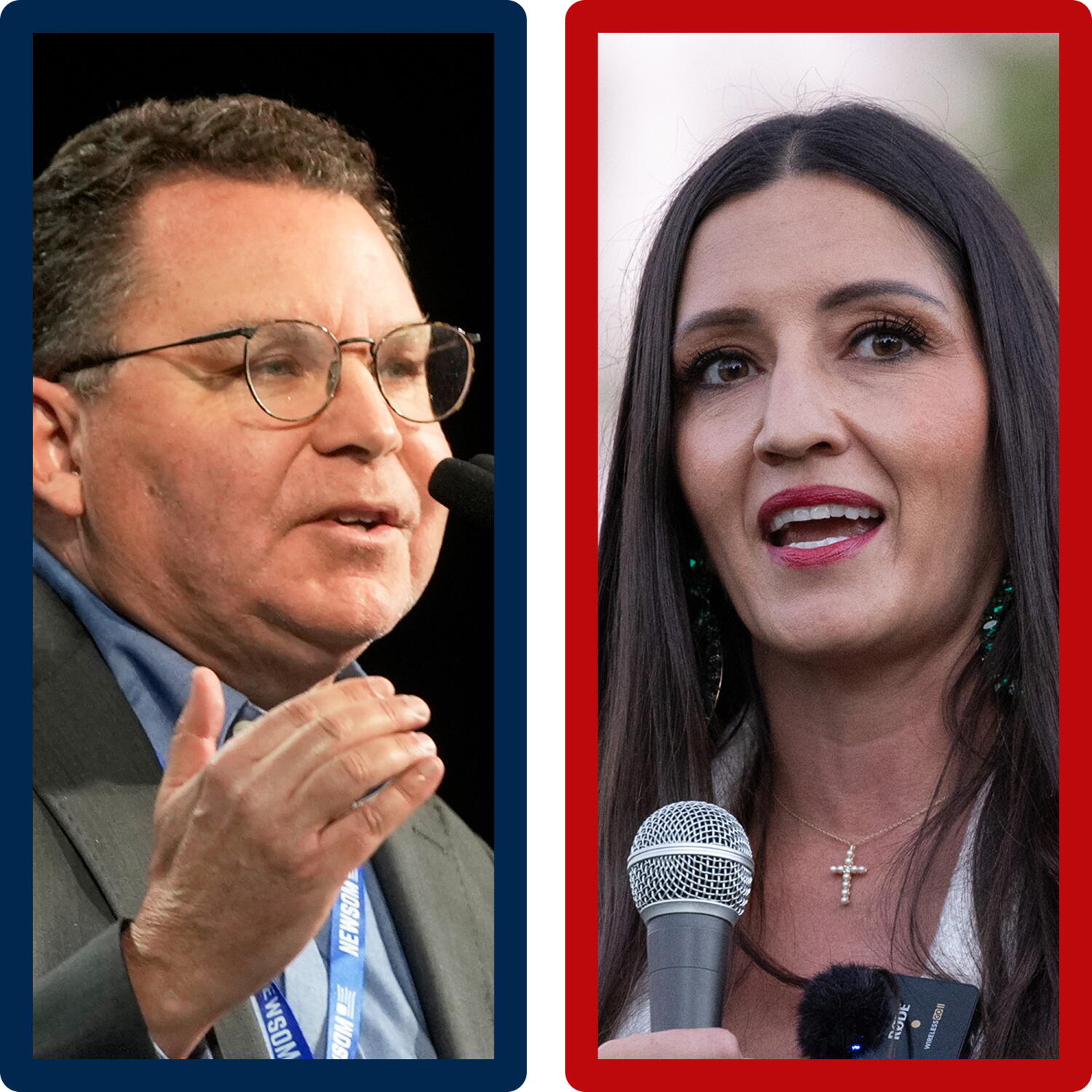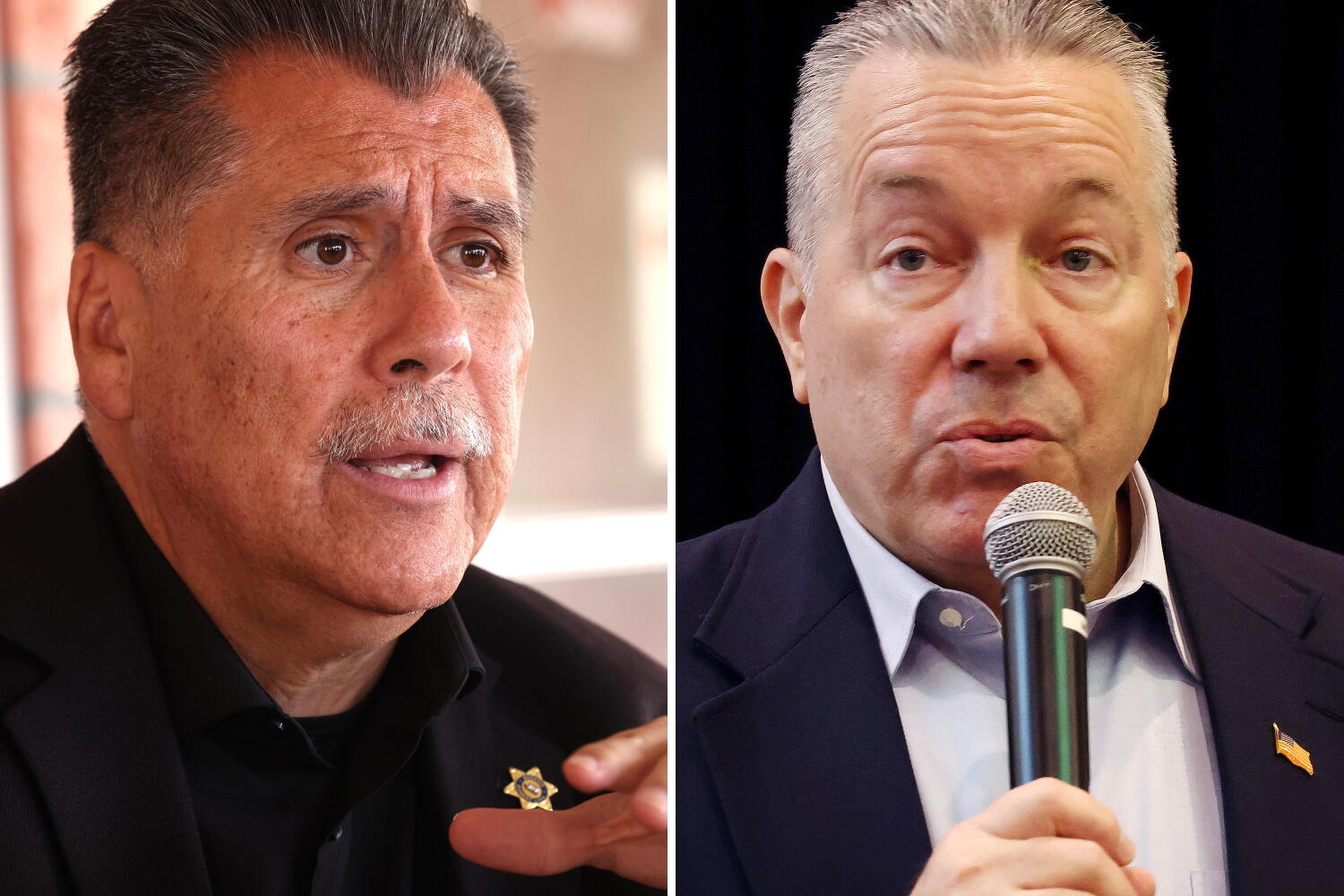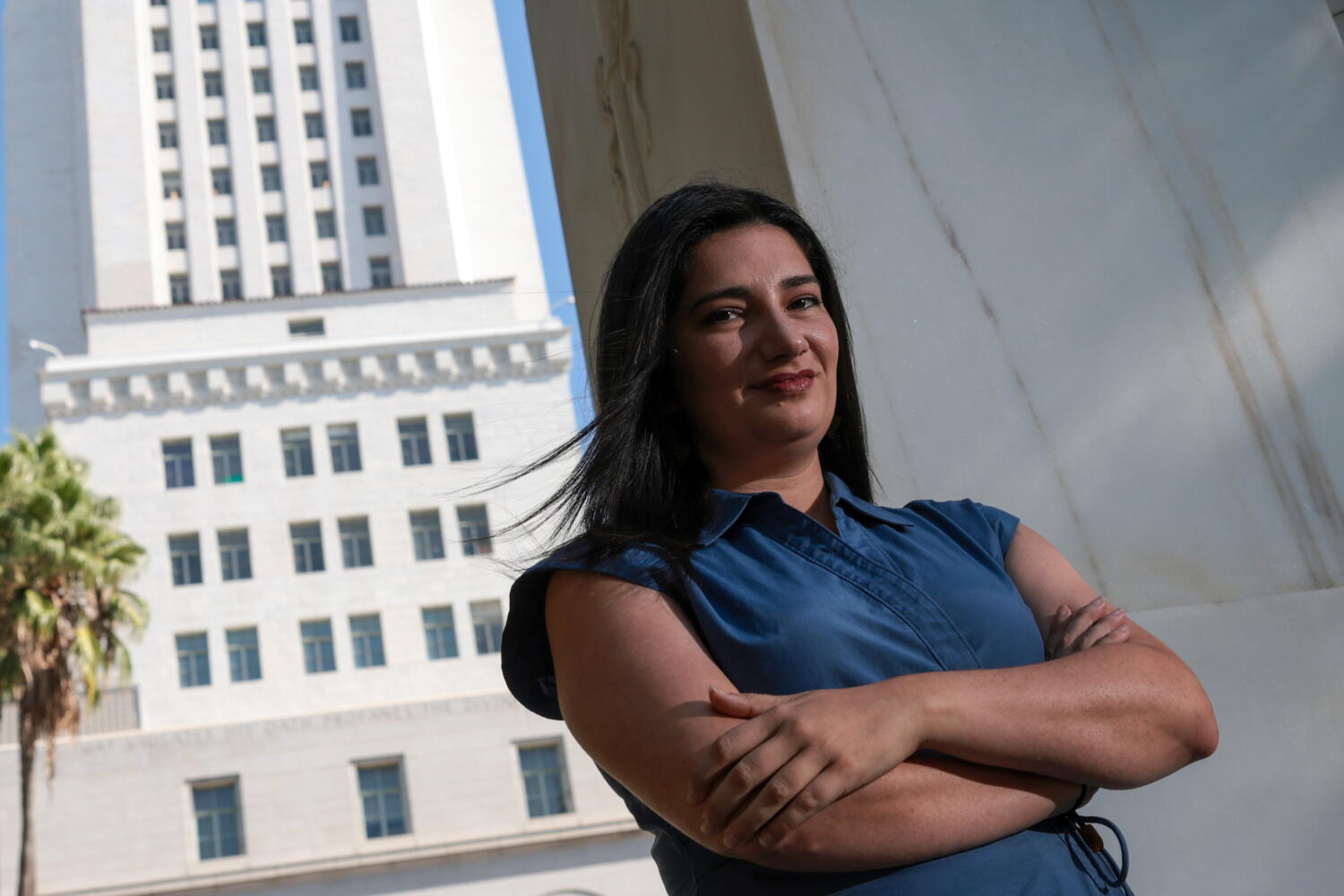
Most political pundits expected a close street fight for Los Angeles City Attorney in November 2026. Instead, California Deputy Attorney General Marissa Roy turned the runoff into a blowout before the first batch of mail-in ballots even finished uploading.
Roy didn't just edge out veteran prosecutor John McKinney. She doubled his vote total. According to certified tallies from the Los Angeles County Registrar-Recorder/County Clerk, Roy captured 68.56% of the vote (712,778 ballots) against McKinney's 31.44% (326,921 ballots) in the November 3 general election. McKinney conceded two days later, clearing the path for Roy to take over one of the most consequential municipal law offices in the country on December 14, 2026. Also making waves recently: The Quiet Victory Inside a British Exam Hall.
If you only read early election-night coverage framing this as a surprising surge, you missed what actually happened on the ground in Los Angeles. Roy's early lead wasn't a fluke of ballot-drop timing. It was the predictable result of a fundamental shift in what Angelenos want their city's top lawyer to do.
How the June Primary Set Up the November Landslide
To understand why Roy dominated from the moment polls closed on November 3, you have to look back five months to the June 2, 2026 primary. That race produced a political earthquake in City Hall. More insights regarding the matter are covered by TIME.
Incumbent City Attorney Hydee Feldstein Soto didn't just lose her bid for a second term. She finished a distant third with 18.0% of the vote (133,799 ballots). In Los Angeles municipal politics, sitting citywide incumbents rarely get bounced in the primary. Voters were visibly frustrated with how the office handled tenant protections, federal litigation, and city liability payouts.
Roy led that four-way primary with 43.1% (320,771 votes), while McKinney—a longtime Deputy Los Angeles County District Attorney—finished second at 28.6% (212,754 votes). Aida Ashouri rounded out the field at 10.3% (76,546 votes).
Look at the math between June and November:
- Roy's coalition expanded massively: She went from 320,771 votes in the primary to 712,778 in the general election, picking up nearly 400,000 additional voters.
- McKinney hit a hard ceiling: Despite running as a moderate Democrat with law enforcement and business backing, McKinney only grew from 212,754 primary votes to 326,921 in November.
- The anti-incumbent wave broke left: Voters who rejected Feldstein Soto didn't swing toward a traditional "tough-on-crime" prosecutor. They consolidated behind a civil rights and affirmative litigation specialist.
When initial returns dropped on election night and showed Roy pulling ahead by more than two-to-one, political observers knew the race was effectively over. Late-arriving ballots in Los Angeles County historically lean younger and more progressive than early mail returns, meaning McKinney had zero mathematical path to close a 37-point gap.
Two Completely Different Visions for 550 City Lawyers
Most voters outside California don't realize how unusual the Los Angeles City Attorney's Office actually is. It isn't just a misdemeanor prosecutor's shop, and it isn't just a corporate counsel desk. It's both.
The office employs more than 550 attorneys who handle criminal misdemeanor prosecutions alongside civil litigation, legal advice for the Mayor and City Council, and affirmative lawsuits on behalf of the city. Every election for this seat comes down to a single argument over priorities. Which half of the job matters more?
John McKinney's Law-and-Order Pitch
McKinney built his campaign around three decades in the Los Angeles County District Attorney's Office prosecuting violent felonies. Born in Passaic, New Jersey, and a 1997 graduate of UCLA School of Law, he pitched himself as a pragmatic, non-ideological courtroom veteran who would restore order to neighborhood streets.
His signature policy proposal was bringing back the Neighborhood Prosecutor Program across all 21 Los Angeles Police Department geographic areas within his first year. Under his 180-day rollout plan, dedicated prosecutors would embed directly in hotspots like Downtown Los Angeles and Skid Row to tackle illegal dumping, nuisance properties, repeat retail theft, and open-air drug markets.
On paper, that message sounds tailored for a city anxious about street conditions and commercial vacancies. McKinney backed it up with heavy institutional support:
- Law enforcement unions: He secured the backing of the Los Angeles Police Protective League (which initially rescinded an endorsement in the race before throwing its weight behind McKinney).
- Prosecutorial establishment: Current District Attorney Nathan Hochman, former Democratic DA Jackie Lacey, and former Republican DA Steve Cooley all endorsed him.
- Real estate and business groups: The Apartment Association of Greater Los Angeles (AAGLA) and the Los Angeles County Business Federation (BizFed) rallied behind his candidacy.
Marissa Roy's Public-Interest Law Firm Model
Roy looked at the exact same 550-lawyer office and saw an underutilized weapon for working families. A USC undergraduate and 2017 Yale Law School graduate, Roy spent her career on the civil side—serving as a California Deputy Attorney General on the housing justice team, working as outside counsel to L.A. County, and previously handling wage-theft enforcement inside the very City Attorney's Office she is now set to lead.
Her argument to voters was blunt. Why spend all your political capital chasing low-level quality-of-life offenses when corporate landlords, wage thieves, and federal agencies are costing Angelenos billions?
Roy's platform focused on aggressive affirmative litigation—using the city's legal firepower to sue bad actors rather than waiting to defend the city from lawsuits. Her coalition spanned the Democratic Socialists of America (DSA-LA), U.S. Senator Bernie Sanders, California Attorney General Rob Bonta, the Los Angeles County Federation of Labor, United Teachers Los Angeles, and housing advocacy groups like YIMBY Action.
Why McKinney's Attack Strategy Backfired in 2026
During the fall campaign, McKinney's allies tried to run the classic moderate playbook that worked in several California races two years earlier. They tied Roy to former District Attorney George Gascón, highlighted her endorsement from the Democratic Socialists of America, and argued she had never prosecuted a criminal case in a courtroom.
It didn't stick. Here's why that messaging fell flat in November 2026.
First, national politics reshaped the local electorate. With Donald Trump back in the White House, Los Angeles voters were intensely focused on how local officials would protect immigrant communities, reproductive healthcare access, and federal funding. Roy made federal resistance a centerpiece of her pitch from day one. She pointed to her record helping lead more than a dozen lawsuits against the first Trump administration over sanctuary policies and promised to sue federal immigration contractors like GEO Group, CoreCivic, and Palantir. McKinney's neighborhood-level crime focus struggled to compete against a broader sense of urgency among Democratic voters.
Second, housing affordability outweighed landlord concerns. When the Apartment Association of Greater Los Angeles warned rental property owners that Roy wanted to create a dedicated enforcement unit to prosecute housing providers, they accidentally handed Roy's campaign free advertising among renters. Los Angeles is a majority-renter city. Roy cited city data showing that roughly 23,000 violations had been reported under the Tenant Anti-Harassment Ordinance while the outgoing City Attorney's Office had cited only a single landlord. For millions of tenants dealing with rent hikes and habitability issues, promising to enforce existing tenant laws wasn't radical—it was common sense.
Third, DSA-LA's ground game changed the math. Alongside Nithya Raman's mayoral upset on the same ballot, the Los Angeles chapter of the Democratic Socialists of America doubled its membership to over 6,000 people and knocked on more than 110,000 doors across the city. Combined with door-knocking from major labor unions like SEIU and UNITE HERE Local 11, Roy had an overwhelming field advantage that television ads and editorial endorsements couldn't match.
What Actually Changes When Marissa Roy Takes Office
Winning by 37 points gives Roy an unmistakable mandate when she is sworn in on December 14, 2026. Yet governing a 550-attorney bureaucracy is very different from running an insurgent campaign.
If you live, rent, or run a business in Los Angeles, several immediate shifts are coming to City Hall's legal department:
- A dedicated Housing Justice unit: Roy plans to pull attorneys into a specialized team focused on enforcing the Tenant Anti-Harassment Ordinance, habitability standards, and illegal eviction tactics. Expect far more civil enforcement actions against corporate landlords who ignore repair orders for mold, pests, or broken utilities.
- Aggressive wage-theft enforcement: Researchers estimate workers in Los Angeles lose roughly $2.5 billion every year to wage theft and misclassification. Roy previously recovered tens of thousands of dollars for underpaid car wash workers during her earlier stint in the office, and she intends to scale up civil prosecutions against employers who steal tips or pay below minimum wage.
- Immediate federal litigation: Roy criticized the outgoing administration for waiting until the City Council forced its hand before joining multi-city lawsuits against federal policies. Under her leadership, expect Los Angeles to join—or lead—coalition lawsuits over federal grant conditions, immigration enforcement tactics, and environmental rollbacks immediately.
- A shift in misdemeanor prosecution philosophy: While Roy won't abandon criminal enforcement entirely, she has signaled plans to expand pre-filing diversion programs for nonviolent, poverty-driven misdemeanors rather than cycling unhoused or mentally ill residents through county jail.
There are real risks here, too. Critics aren't wrong when they point out that Roy has never managed an agency of 550 lawyers or overseen a high-volume criminal trial division. The City Attorney's Office is also drowning in massive civil liability payouts—from LAPD misconduct settlements to sidewalk trip-and-fall lawsuits—that drain hundreds of millions of dollars from the city's general fund every year. Roy will have to prove she can manage defensive litigation and keep criminal courtroom operations running smoothly while launching high-profile affirmative lawsuits.
How Los Angeles Residents Can Use the New Office
Most Angelenos never interact with the City Attorney's Office unless they get a jury summons or a traffic citation. Under Roy's model, the office is actively looking for resident complaints to build affirmative civil cases—she explicitly told reporters right after the election that her team plans to use its grassroots coalition to start building cases immediately.
If you're a tenant, worker, or consumer in the city of Los Angeles, take three concrete steps once Roy takes office on December 14:
- Document and report landlord harassment: Don't just complain to your building manager. File formal complaints with the Los Angeles Housing Department (LAHD) whenever a landlord refuses essential repairs, threatens eviction without just cause, or shuts off utilities. Those administrative records are the exact evidence a Housing Justice unit needs to file civil enforcement actions.
- Track unpaid wages and schedule violations: Keep personal logs of your hours worked, pay stubs, and text messages from supervisors. If an employer skims tips, forces off-the-clock work, or misclassifies you as an independent contractor, submit a complaint to both the California Labor Commissioner and the L.A. Office of Wage Standards so city attorneys can spot patterns across entire industries.
- Watch the City Council's litigation calendar: Because the City Attorney represents the city in major lawsuits, key decisions on federal litigation and corporate settlements appear on public City Council agendas before closed-session votes.
Marissa Roy's blowout win proves Los Angeles voters want a City Attorney who treats corporate abuse and federal overreach as top-tier public safety threats—and starting December 14, she has four years to show that a public-interest law firm can actually run City Hall.