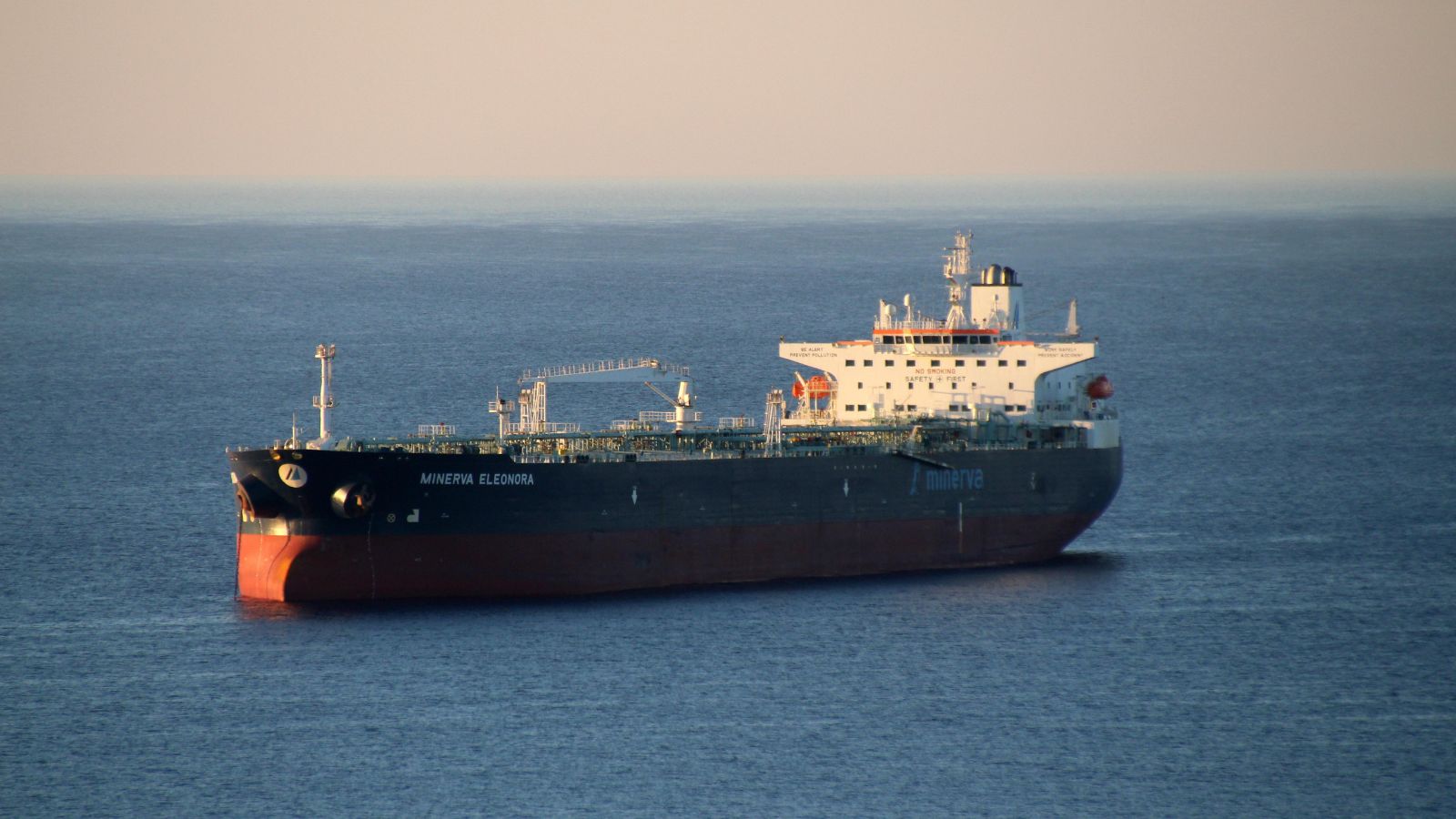
The escalation of kinetic disruptions across the maritime corridors of the Arabian Sea and the Gulf of Oman exposes structural vulnerabilities in global energy supply chains. The specific targeting of commercial assets, exemplified by the attack on the Panama-flagged oil tanker MT El Gaia off the coast of Oman, transcends isolated tactical strikes. It highlights a systemic vulnerability in open-ocean logistics where asymmetric threats intersect with high-density maritime traffic lanes. Deconstructing this event requires an examination of flag-of-convenience mechanics, regional choke-point exposure, and the operational risks borne by multinational maritime labor pools.
The Geography of Maritime Exposure
Commercial shipping lanes passing through the Gulf of Oman and converging on the Strait of Hormuz operate under severe spatial compression. Vessels navigating these corridors must follow established Traffic Separation Schemes (TSS), turning them into predictable targets for asymmetric actors using surface craft, drones, or precision projectiles.
The attack on the MT El Gaia, which resulted in engine room fires and subsequent search-and-rescue operations by regional authorities, demonstrates the specific tactical vulnerability of product and crude carriers. Unlike naval assets equipped with active point-defense systems, commercial tankers prioritize cargo capacity and operational economy. They possess minimal physical hardening against kinetic impacts, leaving propulsion and auxiliary systems exposed to localized detonations or projectile strikes.
Flag Jurisdictions and Accountability Gaps
The deployment of open registries, such as the Panama flag utilized by the targeted vessel, introduces a complex matrix of legal and operational responsibilities during security crises.
- The Regulatory Disconnect: Flag states provide administrative registration and regulatory compliance frameworks, but they rarely maintain immediate naval or diplomatic protection assets in distant regional theaters.
- The Operational Burden: Ship management companies and ultimate beneficial owners must navigate incident response, salvage coordination, and crew repatriation independently or rely on regional coastal states—such as Oman—to execute search-and-rescue protocols.
- Insurance and Risk Pricing: Recurrent kinetic incidents force marine underwriters to reevaluate hull and machinery risk premiums, directly elevating transit costs for commodities moving through the Middle Eastern theater.
Human Capital Risk in Asymmetric Conflicts
A critical dimension of maritime instability in this theater is the heavy reliance on specialized labor from developing economies, particularly India, which supplies a significant percentage of global seafarers.
When commercial vessels are struck, the immediate operational consequence is not merely property damage or crude oil supply delays; it is a severe personnel hazard. The absence of defensive architecture onboard civilian tankers places navigation and engineering crews on the front line of geopolitical conflicts. Search-and-rescue coordination following the El Gaia incident—where regional responders recovered a majority of the crew while search operations persisted for missing personnel—illustrates the acute life-safety exposure inherent in contemporary maritime transits. Labor supply constraints can emerge rapidly if seafarer unions and national regulators enforce hazard-zone restrictions or demand wartime compensation structures.
Systemic Economic Transmission Channels
The compounding frequency of strikes against commercial tankers generates immediate ripple effects across international energy markets:
- Route Diversion Costs: Prolonged threat profiles compel operators to consider longer routing alternatives or implement extended waiting periods outside high-risk zones, burning additional bunker fuel and stretching delivery schedules.
- Crew Availability and Retention: Heightened casualty and injury rates among multinational crews increase recruitment friction and drive up wage liabilities for ship operators willing to transit volatile coordinates.
- Regulatory Interventions: National maritime administrations face mounting domestic pressure to issue advisory notices, mandate security audits, or restrict vessel registries from operating within designated high-risk perimeters.
Mitigating these exposures requires ship operators to integrate real-time threat intelligence into voyage planning, enhance passive onboard hardening where feasible, and establish redundant communication protocols with regional maritime security centers to minimize sensor-to-response latency during emergencies.
This video provides additional context regarding the maritime security dynamics and official responses following the tanker attack off the coast of Oman.


