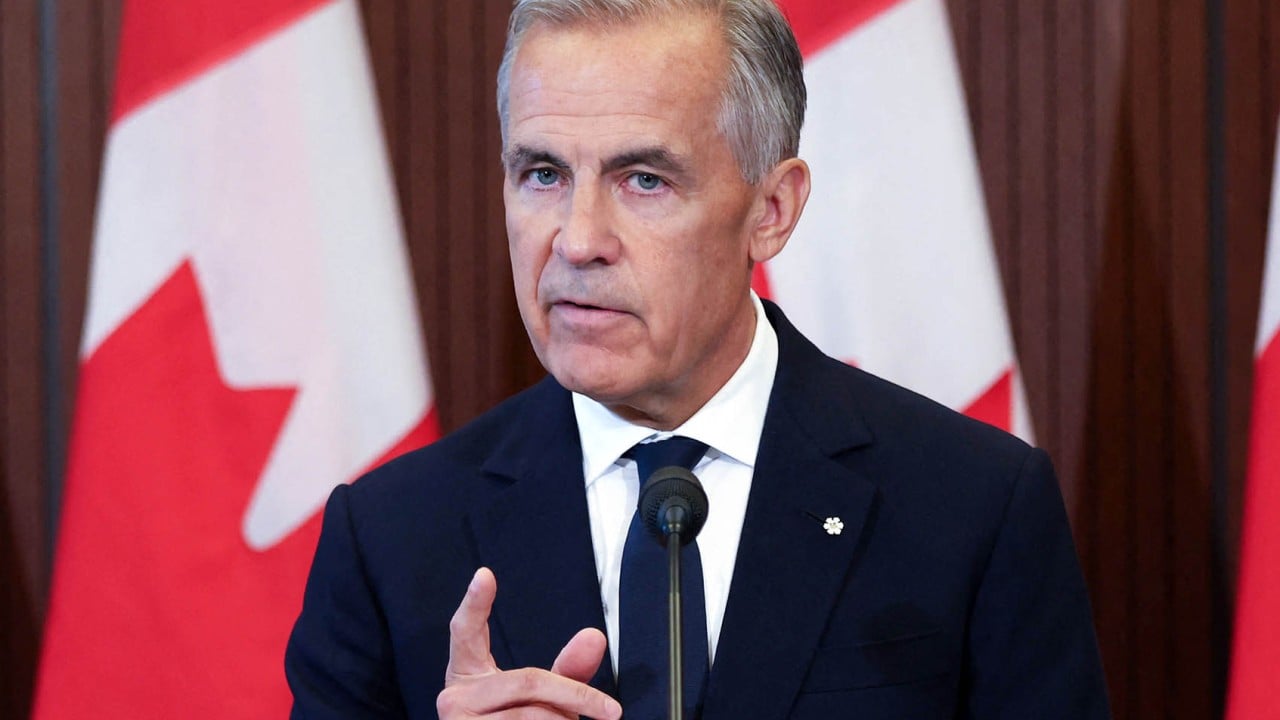
External pressure has a funny way of uniting a fractured electorate. When a foreign government starts throwing heavy economic punches, domestic political squabbles tend to take a back seat. Prime Minister Mark Carney just received a textbook lesson in this phenomenon as his Liberal party swept three high-stakes federal special elections across Ontario, Quebec, and British Columbia.
If you look past the standard partisan commentary, these wins tell a much bigger story about how Canadians are responding to escalating trade friction with the United States. Voters didn't just cast ballots for local candidates; they sent a clear message about national sovereignty.
The Stakes Behind the Ballot Box
Electoral contests in individual ridings rarely shift global attention, but this triple victory carried immense weight. The sweep brought the Liberal party count to 173 seats in the 343-seat House of Commons, locking down a much sturdier footing in Parliament just as cross-border tensions reached a boiling point.
The timing couldn't have been more pronounced. Bilateral trade talks collapsed abruptly, leading to aggressive tariff threats and intense economic posturing from Washington. Instead of fracturing under the weight of economic anxiety, voters in districts like Chicoutimi-Le Fjord, Beaches-East York, and North Vancouver-Capilano chose to close ranks behind the incumbent administration.
Political analysts often underestimate the defensive reflex of an electorate facing external threats. Daniel Béland, a political science professor at McGill University, pointed out that the worsening climate under the second Trump administration convinced many citizens—including those outside the traditional Liberal base—to rally behind national leadership.
Turning Economic Pressure Into Political Capital
Carney has played a very specific hand since taking office. Facing aggressive protectionist demands and heavy rhetoric from American officials, his administration chose a combative, unyielding posture. Rather than folding under pressure or trying to quietly appease neighbors to the south, Ottawa dug in its heels.
That approach is risky. Critics always argue that standing up to a massive economic superpower invites needless pain. But these special election outcomes prove that the strategy resonates deeply with average voters who hate the idea of being pushed around.
Consider the psychological shift happening across the country. When trade discussions break down and officials begin talking about massive retaliatory tariffs, local businesses and everyday workers look for a leader who won't blink. Carney's willingness to stand firm transformed what could have been a liability into an effective rallying cry.
What This Means for the Road Ahead
Domestic political stability changes the entire math of international negotiation. Foreign capitals watch Canadian internal politics closely to see if a leader speaks with a mandate or a whisper. By expanding his parliamentary leverage through these three victories, Carney steps back to the negotiating table with verified domestic strength.
At the same time, this confrontation is forcing a long-overdue economic pivot. Ottawa is aggressively accelerating efforts to diversify trade and deepen ties with European markets to reduce its heavy reliance on the US economy. It's a difficult transition, but necessity is a powerful motivator.
You cannot separate domestic survival from foreign policy right now. The ballot box has spoken, giving the current administration the political breathing room it desperately needed to weather the storm. How Carney wields this newly consolidated capital will define Canada's economic independence for years to come.