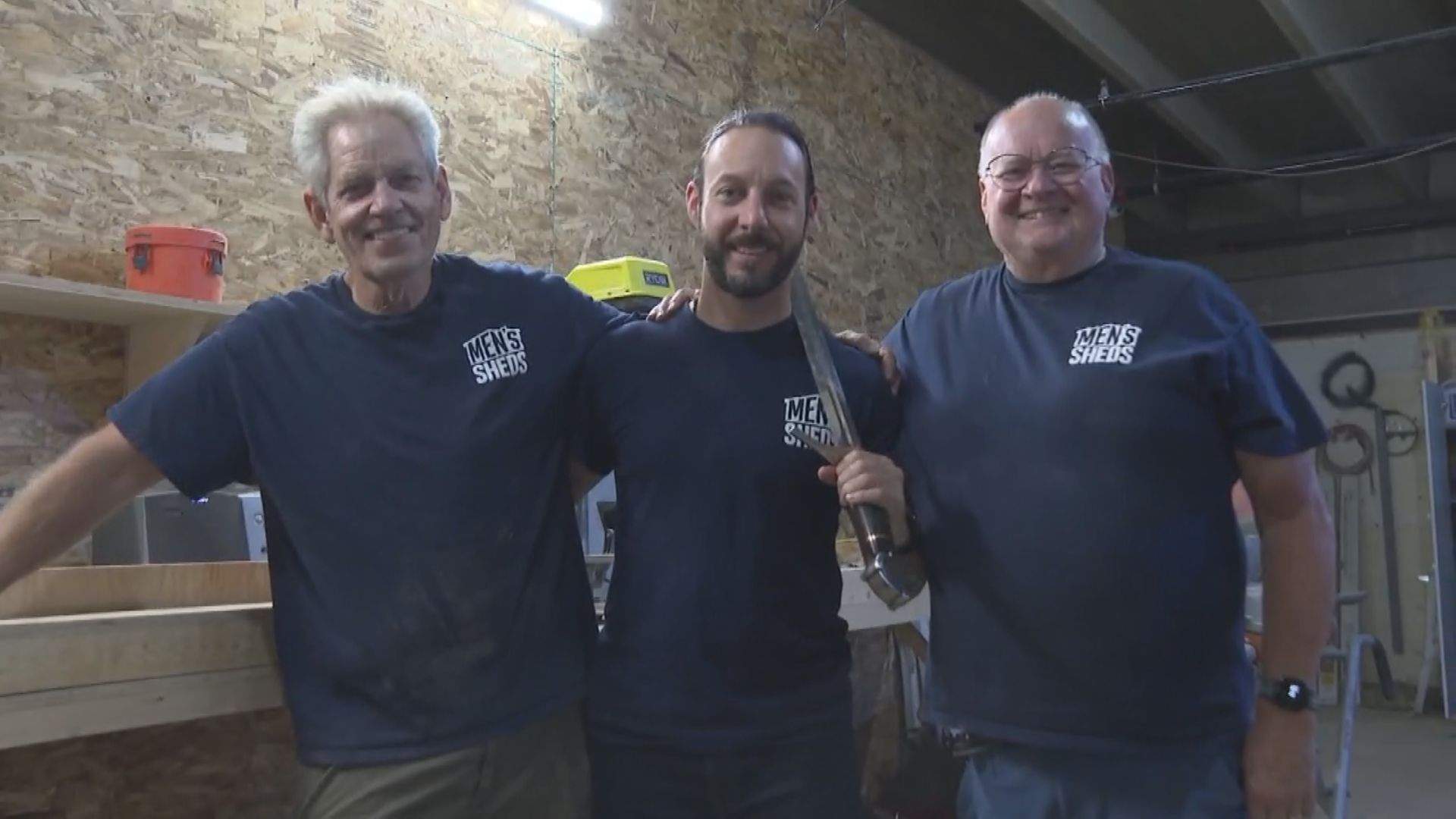
Public health crises are rarely solved solely inside clinical environments. Structural isolation among adult males creates a distinct epidemiological vulnerability, suppressing health-seeking behaviors and delaying early detection for preventable morbidities.
When formal medical systems fail to engage demographic segments prone to self-reliance, community-level interventions must bridge the gap. Grassroots organizations operating outside traditional healthcare frameworks provide a structural solution to this systemic failure. By examining how community structures like regional men's groups scale their influence from local hobby-sharing to active health advocacy, we can isolate the exact mechanisms required to alter public health trajectories.
The Mechanics of Social Isolation and Health Outcomes
Clinical data consistently demonstrates that social isolation acts as an independent risk factor for chronic illness and early mortality. For adult men, this risk is amplified by socio-cultural barriers that discourage vulnerability or routine medical check-ups.
Traditional public health outreach relies on institutional touchpoints—clinics, hospitals, and formal screening camps. However, these touchpoints suffer from high friction coefficients for men who view health maintenance as an admission of weakness.
Community-based organizations bypass this friction by replacing clinical framing with functional, project-driven engagement. When a social collective centers its operations on shared manual labor, artifact restoration, or communal problem-solving, it establishes a low-stakes environment. Within this architecture, peer interactions occur sideways rather than face-to-face, reducing the psychological barrier to sharing personal distress.
This model changes the cost-benefit equation of seeking help. Instead of navigating a complex healthcare system independently, individuals encounter health literacy organically through peer modeling.
Scaling Grassroots Infrastructure from Isolation to Advocacy
Transforming a localized support mechanism into an active public health asset requires a repeatable operational model. The progression of organizations like regional men's sheds illustrates a three-phase expansion pattern.
- Phase One: Inception and Functional Bonding. Small cohorts gather around low-complexity tangible projects, such as building community utility boxes or basic woodworking. The primary utility here is not health education, but the mitigation of acute post-crisis isolation.
- Phase Two: Network Density and Trust Accumulation. As membership expands tenfold, the collective absorbs individuals experiencing chronic isolation. Trust accumulated through routine project collaboration creates psychological safety, turning the group into a reliable sounding board for personal and familial crises.
- Phase Three: External Capital Deployment and Public Health Interventions. Mature collectives leverage their internal social capital to execute external campaigns. Leaders transition from managing internal camaraderie to funding targeted health tools, such as purchasing home screening kits for colorectal or prostate monitoring, or mobilizing physical campaigns like hair donations for cancer patients.
This scaling framework proves that civic groups can function as decentralized public health nodes. They reach populations that institutional messaging fails to penetrate.
Economic and Logistical Barriers to Early Detection
Early detection remains the highest-leverage variable in oncology survival curves. Yet, structural friction points continue to suppress screening rates among middle-aged and older men.
Financial constraints and diagnostic access represent primary bottlenecks. Specialized testing kits or specialized screenings often involve out-of-pocket costs or administrative hurdles that discourage low-income or rural demographics. Furthermore, societal stigma surrounding diagnostics—particularly those involving colorectal or prostate health—creates an invisible barrier that prevents individuals from discussing symptoms with primary care physicians.
Grassroots health advocacy addresses these bottlenecks through direct resource distribution. By crowdfunding home screening tools and distributing them privately within trusted peer networks, community leaders eliminate both the financial barrier and the psychological dread associated with clinical visits. When individuals can initiate diagnostic tracking in private, compliance rates increase significantly.
The Limits of Decentralized Health Interventions
While community-led networks excel at breaking isolation and distributing initial screening tools, they possess inherent structural boundaries that must be acknowledged.
Grassroots groups cannot substitute for clinical diagnosis and advanced oncological care. Peer networks can prompt an individual to use a take-home stool test or talk about a persistent symptom, but they cannot interpret complex pathologies or administer therapeutic interventions. Relying entirely on volunteer-run groups for public health creates equity gaps; communities lacking charismatic local leadership miss out on these vital support structures entirely.
Sustainable public health strategies require hybrid models. Regional health authorities must integrate with grassroots organizations, providing them with verified medical resources, educational collateral, and streamlined referral pathways while letting community leaders retain their trusted local voice.
Allocating Capital and Attention for Maximum Yield
Targeting public health investments toward grassroots male networks yields high returns on investment compared to broad, impersonal media campaigns. Funding should be directed toward scaling operational infrastructure for community groups, subsidizing home-test distribution networks, and training community leaders in basic mental health and oncological triage. Institutional medicine must recognize that the path to lowering late-stage cancer diagnoses in high-risk male demographics runs directly through the unconventional spaces where men already gather.