Transboundary disaster response requires a compression of logistical timelines that rarely aligns with standard bureaucratic frameworks. When a catastrophic glacial collapse and subsequent flash flood overwhelms river systems along a mountainous border, the immediate availability of specialized tactical equipment determines the survival curve of trapped populations. Regional relief operations depend on rapid asset deployment, precise weight-to-payload calculations for airlift capacities, and the immediate integration of specialized technical teams into compromised terrain.
The mechanics of cross-border emergency provisioning function through a strict hierarchical sequence: initial aerial reconnaissance, bulk non-perishable distribution, heavy structural engineering support, and specialized sub-surface search deployments. Understanding how states execute this sequence provides a clear metric for evaluating disaster preparedness and response efficiency.
The Logistics Function Of Aerial Airlifts
The primary constraint in Himalayan valley disasters is the total disruption of surface transport arteries. Roads, bridges, and footpaths are routinely sheared away by high-velocity debris flows, creating immediate geographic isolation for downstream settlements. Under these conditions, relief velocity is dictated entirely by strategic cargo aircraft availability.
Airlift operations follow a strict weight and volume optimization matrix. Initial flights prioritize high-density humanitarian assistance and disaster relief (HADR) inventory that stabilizes immediate environmental exposure. This category includes heavy-duty tarpaulins, modular temporary shelters, water purification units, and medical consumables designed to prevent secondary public health crises. Subsequent flight rotations transition to heavy hardware, including dewatering pumps, portable generators, and specialized mechanical extraction tools.
The physical payload capacity of transport vectors such as the C-130J Hercules and the C-17 Globemaster establishes the throughput ceiling of the response. By staging supplies in fixed-weight increments, responding nations maximize sortie efficiency while bypassing broken ground transportation networks.
Sub-Surface Extraction Dynamics And Terrain Bottlenecks
When disaster strikes mountainous river corridors featuring major run-of-the-river infrastructure, victims are frequently trapped inside industrial or structural subterranean environments, such as hydropower tunnels. Executing search-and-rescue operations inside these spaces introduces distinct physical hurdles that standard urban rescue teams cannot clear.
Tunnel rescue operations encounter three major operational bottlenecks:
- Extremely restricted access spaces that preclude heavy machinery utilization.
- Saturated, marshy floor conditions that destabilize standard mobility frames.
- Total atmospheric degradation and zero visibility requiring specialized subterranean recce gear.
Overcoming these limitations demands adaptive engineering solutions, including improvised flotation devices and specialized tunnel technical contingents. The operational friction lies in the time delay between initial infrastructure clearance and the deployment of micro-tunnelling experts. Forensic identification compounds this complexity; when mass casualties occur across multi-national demographics, local DNA processing capacity is rapidly exhausted, requiring the expedited deployment of cross-border forensic identification units to manage genetic matching and repatriation.
Structural Recovery And Bridge Engineering
Restoring physical connectivity dictates the transition from emergency search operations to medium-term economic stabilization. The destruction of strategic spans halts both evacuation procedures and supply chain replenishment.
Modular infrastructure deployment, specifically prefabricated steel bridge systems like Bailey bridges, serves as the primary intervention mechanism for severed ground routes. These systems rely on standardized components that can be transported via heavy trucks and assembled on-site without heavy permanent plant machinery.
The deployment sequence requires precise structural load calculations to match the bridge class with ongoing relief traffic weights. Integrating these structural assets alongside tactical rescue teams prevents secondary supply bottlenecks from forming at choke points along the river valley.
Strategic Asset Allocation For Regional Disasters
Execute immediate multi-tiered resource staging by pre-positioning modular bridging equipment and heavy-lift logistics at primary air-heads prior to monsoon peaks. Guarantee that international rescue protocols include pre-cleared diplomatic clearances for specialized sub-surface and forensic teams to eliminate response latency during the critical seventy-two-hour survival window.
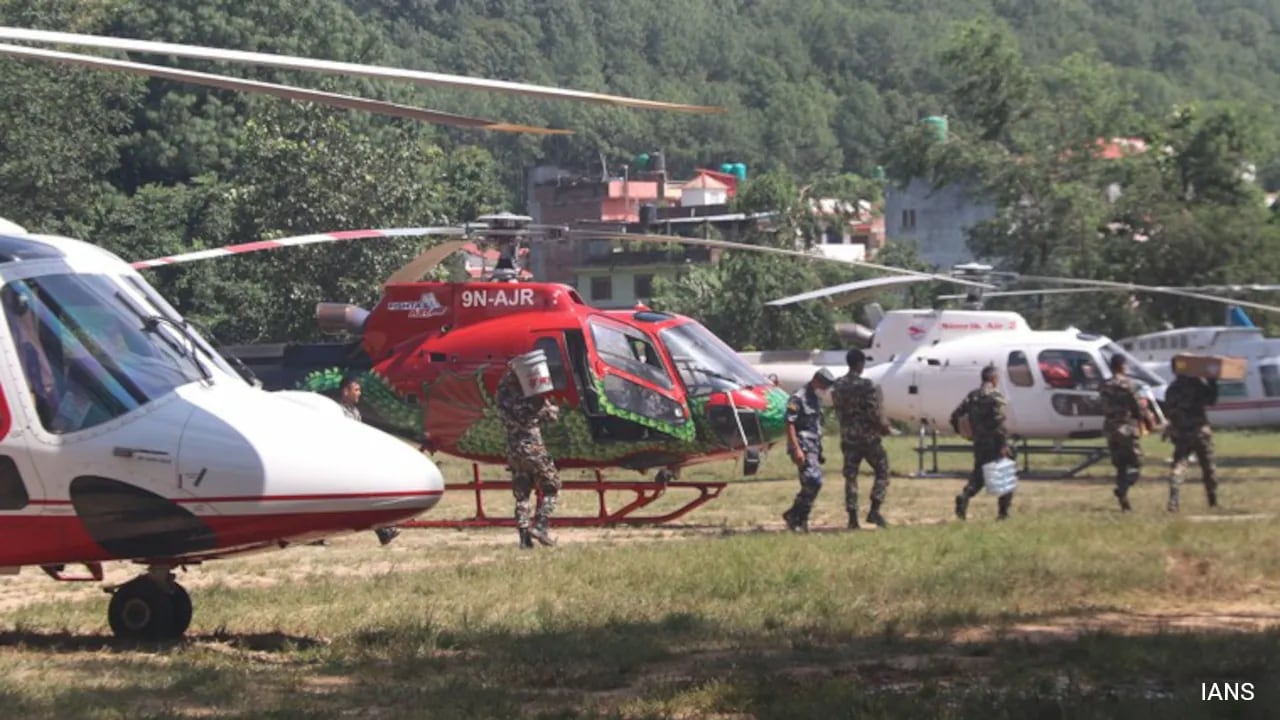
Nepal Floods: India Sends 5th Relief Shipment To Flood-Hit Nepal Amid Massive Rescue Effort
This video provides on-the-ground footage and reporting detailing the dispatch of the latest relief shipments and rescue teams to flood-affected areas in Nepal.