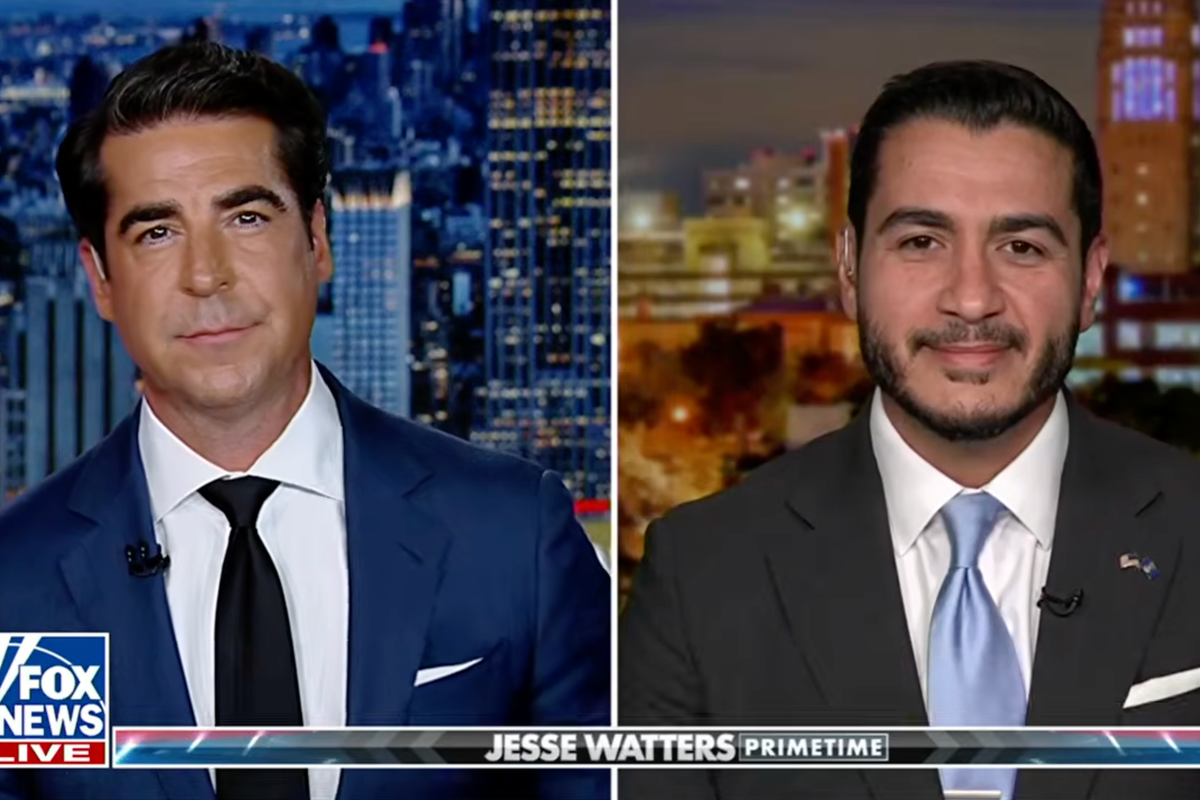
Electoral strategy in modern polarized media ecosystems relies on a counter-intuitive mechanism: asymmetric validation. When a high-profile media figure from a conservative platform endorses or expresses grudging respect for a progressive candidate, standard political calculus is disrupted. This phenomenon, recently visible in the cross-ideological engagement between Fox News host Jesse Watters and Michigan Democratic U.S. Senate candidate Abdul El-Sayed, illustrates a calculated tactical maneuver rather than a genuine ideological convergence. Deconstructing this interaction reveals the underlying structural incentives that dictate how political figures cross enemy lines to manufacture visibility, manage branding, and reshape voter perception.
The Cost Function of Ideological Containment
Media ecosystems survive on ideological containment. Networks like Fox News traditionally operate by enclosing audiences within a hermetic bubble, reinforcing existing worldviews while casting political opponents as existential threats. When a host steps outside this containment strategy to praise an opponent—such as Watters remarking that El-Sayed "beat the machine" during a primary campaign—the statement functions as a high-value asset.
The utility of this cross-ideological nod can be measured through a basic political economy framework:
- Attention Arbitrage: Progressive candidates struggle to penetrate conservative media silos organically. By securing a soundbite or an invitation from a hostile platform, a campaign bypasses traditional gatekeepers and acquires free media amplification.
- The Anti-Establishment Brand: For a progressive populist, the label of being endorsed or respected by an institutional adversary for defeating party machinery provides credentialing among disaffected non-partisan voters who distrust traditional party structures.
- Host Network Incentive: Conservative hosts leverage these exchanges to project an aura of open-mindedness while simultaneously setting up a controlled combat arena designed to expose perceived vulnerabilities in progressive platform economics.
The transactional nature of these appearances means neither party enters the arena naive. The conservative host aims to dismantle progressive policy proposals on live television, while the progressive candidate aims to survive the crossfire, pivot to kitchen-table economic issues, and harvest the resulting clip for targeted advertising campaigns.
The Anatomy of a Mismatched Policy Debate
When political figures with opposing worldviews engage in televised combat, the dialogue rarely centers on shared premises. Instead, it relies on a structural talking-past-each-other dynamic where each participant operates within a distinct fiscal and ideological framework.
During high-profile television face-offs, macroeconomic scale serves as a primary battleground. Conservative analysts often deploy absolute aggregate figures—such as multi-trillion-dollar federal budgets or the projected costs of universal healthcare programs—to frame progressive policies as fiscally reckless. Conversely, progressive practitioners counter by reframing the debate around opportunity costs and wealth concentration, questioning military expenditure increases or corporate subsidies rather than defending line-item budgets in isolation.
This clash exposes the core limitation of modern political discourse: the absence of a unified accounting system for public goods. When one side measures success by aggregate debt reduction and the other by systemic equity and cost-of-living relief, any direct comparison of policy outcomes breaks down. The debate inevitably devolves from economic modeling into a contest of rhetorical positioning, where tactical pivots dictate the flow of the conversation.
Cultural Proxies and the Diversionary Loop
A central mechanism of hostile media interviews is the deployment of cultural proxies. When economic arguments reach an impasse, interviewers frequently pivot to high-salience cultural friction points—such as regulatory frameworks surrounding gender-affirming care or bodily autonomy—to force opponents onto defensive terrain.
This pivot serves a dual purpose within the media production cycle:
- Emotional Activation: Cultural flashpoints generate immediate audience engagement and polarization, eclipsing nuanced discussions of tax policy, inflation, or industrial manufacturing strategy.
- Boundary Enforcement: These topics are engineered to test whether a candidate can maintain ideological purity within their base while remaining palatable to independent voters.
Effective navigation of this diversionary loop requires structural redirection. Rather than engaging in defensive moral posturing over cultural specifics, skilled operators utilize counter-analogies or redirect the line of questioning back to material conditions—such as inflation, wage stagnation, or healthcare accessibility—where public sentiment favors populist intervention. The objective is to refuse the premise of the culture war trap and anchor the discussion back to structural economic grievances.
Tactical Execution for Out-of-Silo Campaigns
For candidates attempting to scale their message across hostile media landscapes, success is dictated by three operational constraints:
- Refusal of Defensive Posture: Entering a hostile interview space requires acknowledging the environment without conceding ideological ground. Candidates must treat the platform merely as a distribution channel for their core message rather than an arbitration board for their worthiness.
- Anchor on Material Realities: Abstract policy debates must be consistently tethered to tangible economic metrics—gas prices, medical debt, and wage purchasing power—that resonate across demographic divides.
- Repurposing the Opposition: The ultimate value of crossing enemy lines is the extraction of validation soundbites. Transforming an opponent's critique or grudging respect into campaign assets alters the competitive dynamics of the race, signaling to independent and cross-over voters that the candidate possesses broad cross-cutting appeal.
Deploy structural counter-programming by aggressively targeting uncontested media ecosystems with economic populist messaging, utilizing adversary platforms exclusively for high-leverage brand disruption while maintaining strict control over the core narrative.