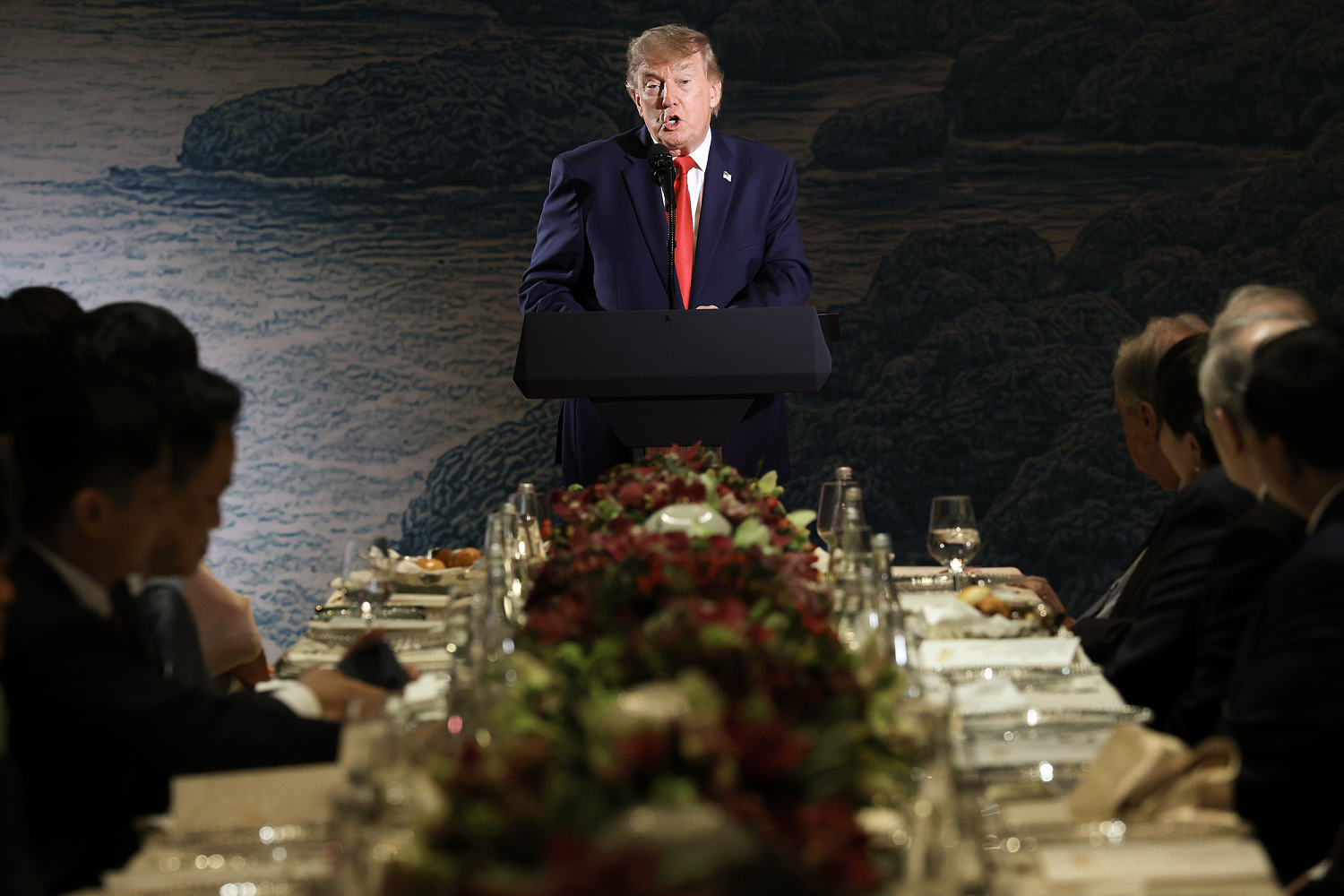
Coverage of exclusive events hosted for top holders of political meme coins—such as the headline "Trump hosts exclusive dinner for investors in his declining meme coin"—often frames these gatherings through a conventional financial lens. Mainstream financial commentators and political analysts frequently interpret a declining token price alongside an exclusive real-world event as a sign of retail failure or a desperate attempt to prop up a failing asset.
However, analyzing political meme coins through the framework of traditional equities or even standard utility cryptocurrencies misses the underlying mechanics of how these assets actually function. Looking at the broader market dynamics, there are multiple perspectives on whether these tokens represent a flawed speculative trap or a new model of political fundraising and community access.
The Traditional Financial Critique
Critics and traditional market analysts argue that meme coins tied to public figures carry severe structural risks for everyday buyers. From this perspective, the core arguments against these assets center on volatility, concentration, and lack of fundamental value:
- Absence of Underlying Cash Flows: Unlike stocks, which represent ownership in a revenue-generating enterprise, meme coins derive their market value almost entirely from social sentiment, media attention, and cultural relevance. Financial regulators and traditional analysts frequently note that when attention shifts, liquidity can evaporate rapidly, leaving late entrants with substantial losses.
- Token Concentration and Insider Advantage: Blockchain analytics firms often highlight that politically themed tokens frequently feature high concentrations of supply held by early wallets or affiliated entities. Critics contend that hosting exclusive dinners for top holders disproportionately rewards large, wealthy buyers—often referred to as "whales"—while smaller retail participants bear the brunt of price drawdowns.
- Regulatory and Ethical Scrutiny: Governance watchdogs and legal scholars have raised concerns regarding the intersection of campaign finance, personal enrichment, and anonymous or pseudonymous crypto wallets. In traditional political fundraising, donations are subject to strict disclosure rules and contribution limits. Critics argue that token-gated events blur the lines between political access, commercial promotion, and financial speculation.
The Counter-Perspective: Attention Markets and Access Economics
On the other hand, crypto-native analysts, behavioral economists, and digital marketers view political meme coins not as broken investments, but as functioning attention markets and modern membership passes. According to this viewpoint, judging a meme coin solely by its chart drawdown misunderstands why participants buy it in the first place.
- Monetizing Cultural Attention: In the digital economy, attention is a scarce resource. Proponents of the "attention economy" thesis argue that meme coins act as real-time sentiment trackers. Rather than expecting dividends or technological utility, buyers are participating in a liquid market tied to cultural momentum. A price decline after an initial surge is viewed by market makers as a standard price-discovery cycle rather than a structural malfunction.
- Token-Gated Access as a Direct-to-Supporter Model: Traditional political galas and VIP fundraisers have long charged thousands of dollars per plate for proximity to high-profile figures. Crypto industry observers point out that tying event access to token holdings simply automates that gatekeeping on a public ledger. Instead of writing a non-refundable check to a political action committee, attendees hold a liquid asset that retains a secondary market value—even if that value fluctuates significantly.
- Community Signaling and Status: Sociological research into digital collectibles and social tokens suggests that high-net-worth participants often treat these assets as Veblen goods—items whose appeal is tied to exclusivity and status signaling. For a top holder, securing a seat at an exclusive dinner is the primary utility, rendering short-term price fluctuations secondary to the real-world networking and access gained.
Navigating the Mechanics of Token-Gated Events
To understand how these events operate in practice, it helps to examine the mechanics of token gating and market liquidity rather than relying on surface-level price headlines.
- Snapshot Mechanisms and Liquidity: When an organizer announces an exclusive event for top holders, they typically establish a "snapshot" window—a specific block height or timestamp used to verify wallet balances. This often creates temporary buy pressure leading up to the snapshot, followed by sell pressure once eligibility is locked in. Understanding this cycle explains why price declines frequently coincide with the actual event date.
- Slippage and Market Depth: Meme coins often exhibit thin order books compared to major cryptocurrencies like Bitcoin or Ethereum. When large holders move funds to qualify for a leaderboard, or sell afterward, the resulting price swings are magnified by low liquidity depth, creating dramatic percentage drops that dominate news cycles.
- The Custodial vs. Non-Custodial Divide: Eligibility for token-gated dinners usually requires holding assets in a self-custody wallet rather than on a centralized exchange. This technical hurdle filters out casual retail traders and concentrates event attendance among more experienced crypto participants.
Evaluating the Risks and Realities
Both traditional skeptics and crypto-native observers acknowledge that the intersection of politics and speculative digital assets carries significant trade-offs.
For market participants, the downside of treating political tokens as access passes is extreme price volatility and regulatory uncertainty. A token bought for event access can lose a substantial portion of its market value before the event even takes place, effectively turning a liquid asset into an expensive ticket. Furthermore, public blockchain records mean that wallet movements surrounding these events are transparent to journalists, competitors, and researchers, removing the privacy typically associated with private gatherings.
Conversely, dismissing the entire phenomenon as a simple financial fad overlooks how digital communities, fundraising, and political branding are evolving. Whether viewed as a cautionary tale about speculative excess or an experiment in token-gated exclusivity, the mechanics behind these events reflect a broader shift in how influence, capital, and public attention intersect online.