The press corps has a fever, and the only prescription is a mirror.
Every time a politician snaps at a reporter, the media industrial complex retreats into a predictable, self-righteous crouch. They frame it as an assault on the First Amendment or a breakdown of democratic norms. They focus on the "insult" and the "outrage" while completely ignoring the quality of the interaction that led to the friction.
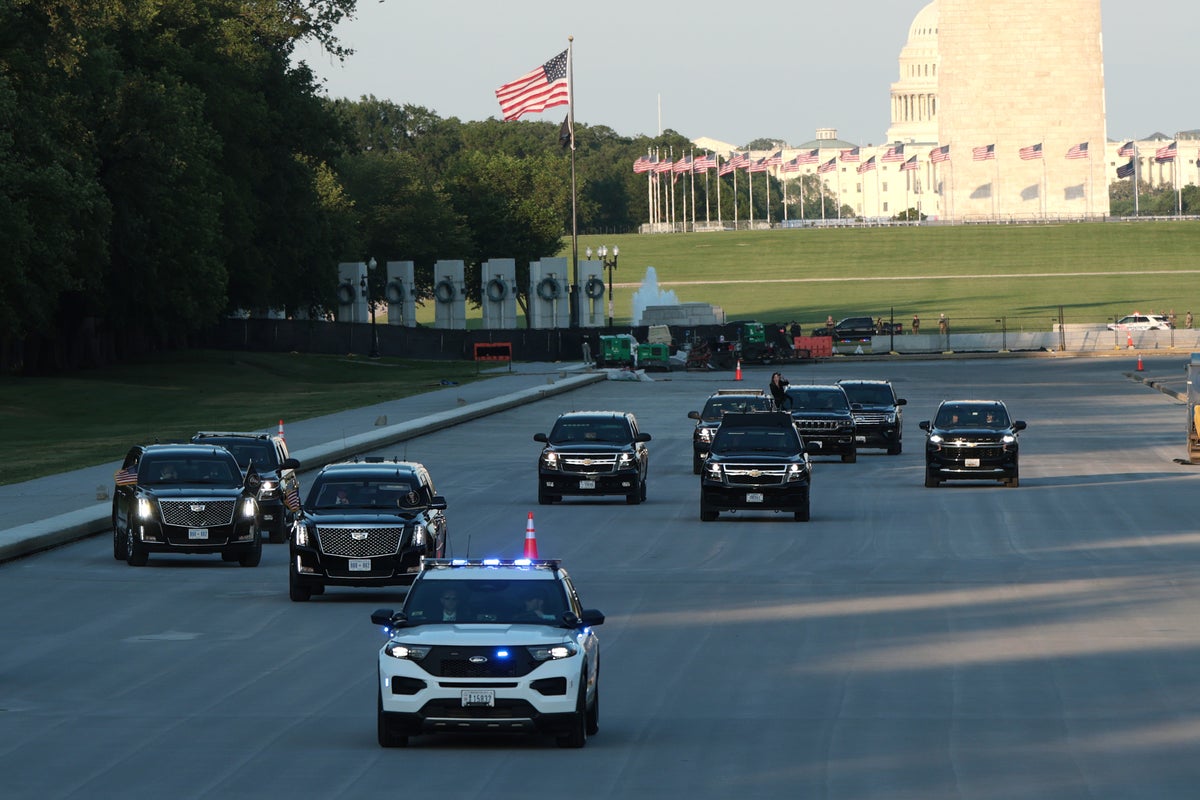
If you want to understand why trust in mainstream journalism is cratering, look at the "Lincoln Memorial drive-by" incident. While the headlines scream about a "stupid question" rebuke, they hide the reality: the question actually was stupid.
The Cult of the Gotcha
Modern political journalism has abandoned the pursuit of information in favor of the pursuit of a reaction. Reporters no longer walk into a briefing room to extract data; they walk in to manufacture a viral clip. This isn't reporting; it's performance art.
When a reporter asks a question designed purely to provoke, they aren't "holding power to account." They are wasting the public's time. We’ve reached a point where the media values the friction more than the fuel. By focusing on the President’s temperament rather than the substance of the policy—or even the logistical reality of the event—they provide a shield for the very administration they claim to be scrutinizing.
I’ve spent two decades watching newsrooms prioritize "the optics" over the actual mechanics of governance. It’s a lazy strategy. It’s easier to write about a personality clash than it is to explain the complexities of federal maintenance budgets or the historical preservation efforts at the Lincoln Memorial.
Why Intelligence is Now "Controversial"
We have been conditioned to believe that all questions are valid. They aren't. In any other industry—engineering, medicine, high-stakes finance—a professional who asks a fundamentally flawed or uninformed question is corrected. Often harshly.
In politics, however, correcting a reporter is labeled as "attacking the press." This creates a protected class of professionals who are never forced to level up their game.
The "stupid question" in this specific context wasn't just a minor slip-up. It was a symptom of a broader lack of preparation. When you have five minutes with the leader of the free world and you spend it on a premise that has already been debunked or addressed, you are failing your audience.
The Pool Guy Fallacy
The mockery surrounding the "pool guy" checking out work at a national monument is another example of the media’s terminal elitism. The term was used colloquially to describe a maintenance specialist. The press turned it into a punchline.
By obsessing over the vernacular, the media missed the story about the actual work being done. This is how the "inside the beltway" crowd loses the rest of the country. They would rather argue about the dignity of a job title than acknowledge the necessity of the labor.
If you think the story is about the insult, you’ve been played. The real story is the massive vacuum where actual investigative journalism used to live.
The Cost of Predictable Outrage
Every time the media plays the victim, they lose authority. They are trading their long-term credibility for short-term clicks.
- Credibility loss: When everything is an "attack on the press," nothing is.
- Engagement bait: Outrage cycles have a diminishing return. People are tuning out because they know exactly how the script ends before the first tweet is sent.
- Information gap: While we argue about whether a question was "stupid," we aren't talking about the $25 million restoration project or the logistics of federal site management.
The "lazy consensus" here is that the politician is the bully and the reporter is the hero. The nuance is that both parties are often locked in a mutually beneficial dance of dysfunction. The politician gets to look strong for their base, and the reporter gets to be the "main character" on social media for 24 hours.
Stopping the Cycle
If you are a consumer of news, you have to stop rewarding the drama. Stop clicking on the "President slams reporter" headlines. Start looking for the data the reporter failed to ask for.
Imagine a scenario where a reporter asked about the specific structural integrity of the memorial’s foundation or the timeline for the surrounding landscaping improvements. There would be no "slam." There would be no viral clip. There would only be information.
The press doesn’t want information. They want the fight.
The Hard Truth About Access
Journalism is a trade, not a priesthood. It requires skill, deep research, and the ability to read a room. If you enter a high-stakes environment with a low-stakes mindset, you deserve the pushback you receive.
We need to stop coddling the media and start demanding they act like the experts they claim to be. If a question is logically incoherent, call it out. If a premise is false, dismantle it.
The standard for "holding power to account" should be higher than merely being present in the room. It should require being the smartest person in the room—or at least the best prepared.
Stop defending the right to be mediocre.