Two families in India are grieving right now because of a strike that barely made the front page outside South Asia.
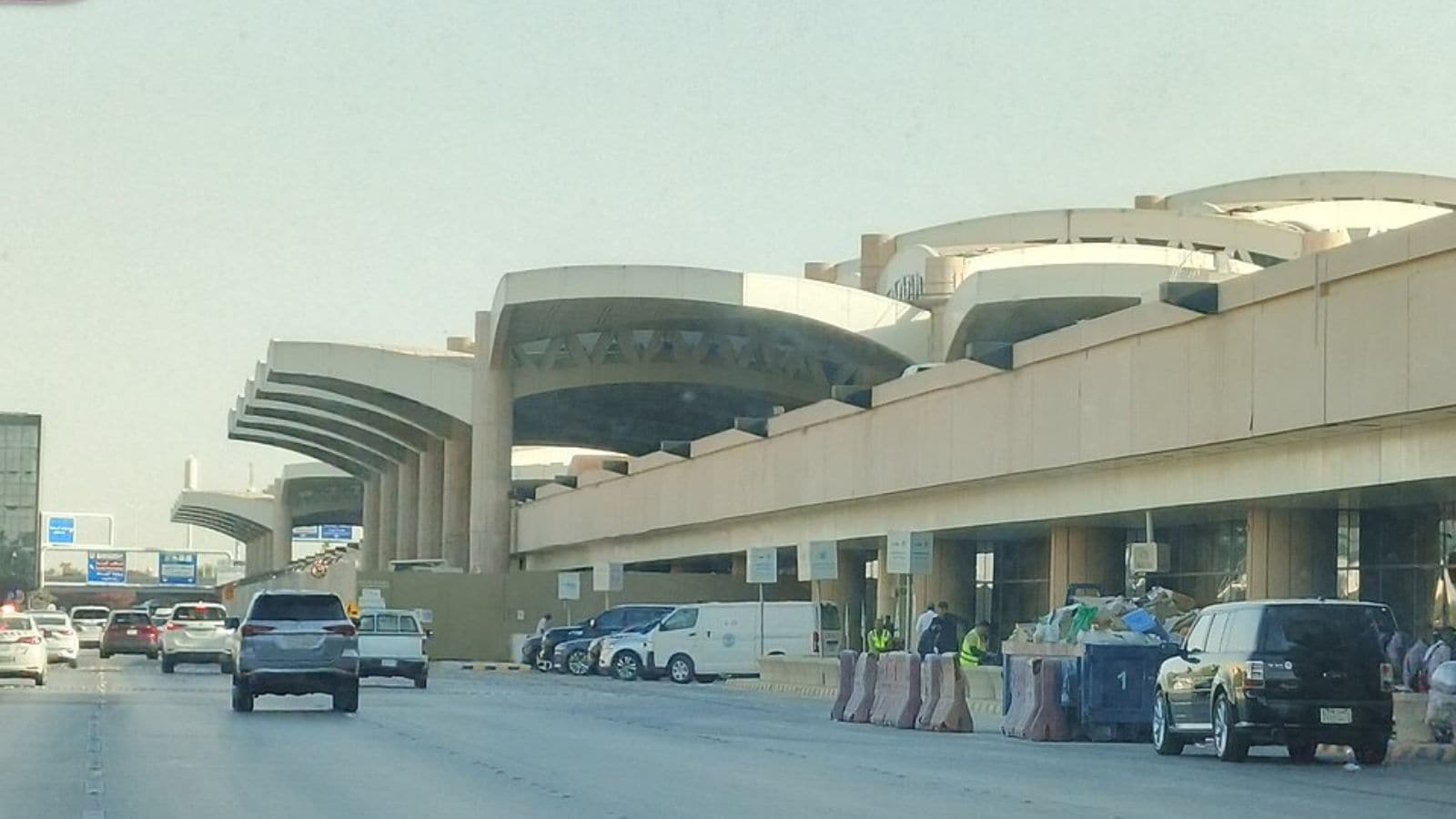
When a second Indian national died from injuries sustained in the October 10 attack on Riyadh's King Khalid International Airport, the news cycle moved on in less than twenty-four hours. That's a mistake. If you want to understand the real human cost of regional instability in the Gulf, you can't just look at flight delays or airspace closures. You have to look at the migrant workers caught directly in the crossfire.
Let's be honest about how these stories usually get covered. A headline drops, a foreign ministry issues a standard diplomatic condolence, and everyone goes back to talking about oil prices or geopolitical strategy. Meanwhile, the actual logistics of getting an injured worker into a trauma unit, dealing with employer insurance in Saudi Arabia, and repatriating a body back to a village in Kerala or Uttar Pradesh get completely ignored.
The Reality Behind the Oct 10 Riyadh Airport Attack
The October 10 incident at King Khalid International Airport wasn't an isolated scare. Aviation hubs across the Arabian Peninsula have spent years sitting on the edge of regional proxy conflicts, particularly involving cross-border drone and projectile threats from Yemen's Houthi movement and broader Middle Eastern flare-ups.
When debris or direct strikes hit civilian infrastructure, the people standing closest to the tarmac aren't diplomats or executives in first-class lounges. They're baggage handlers, maintenance technicians, security contractors, and cleaners. Most of them come from India, Nepal, Bangladesh, and the Philippines.
Here's what actually happened in the aftermath of the October 10 strike. Initial reports confirmed injuries among airport personnel and bystanders, with Indian nationals taking the brunt of the critical trauma. One victim succumbed to their injuries shortly after the blast. The second Indian national fought for survival in intensive care for weeks before passing away, turning an already tragic incident into a double fatality for India's massive expatriate community in Saudi Arabia.
Why did it take so long for the full picture to emerge? Information control in the Gulf is tight. Saudi authorities routinely restrict immediate operational details surrounding airport security breaches to prevent panic and protect aviation ratings. At the same time, consular teams from the Embassy of India in Riyadh have to verify identities, notify next of kin back home, and coordinate with local hospitals before releasing official confirmation to the press.
Why Indian Workers Bear the Brunt of Gulf Security Crises
You can't separate this tragedy from the sheer scale of the Indian diaspora in Saudi Arabia. Over 2.4 million Indian citizens live and work in the Kingdom. They form the backbone of Saudi infrastructure, aviation ground support, construction, and healthcare.
Because Indians make up such a massive percentage of the frontline workforce, any disruption at a major transit hub like Riyadh almost guarantees Indian casualties. It's simple probability, yet media coverage treats it like a freak coincidence every single time.
The Vulnerability of Ground Support Staff
Think about how an international airport operates. Airside workers spend twelve-hour shifts out in the open on the apron, refueling jets, loading cargo containers, and directing aircraft. Unlike passengers inside reinforced terminal buildings, ground crews have zero physical cover when an air defense interception happens overhead or a projectile breaches the perimeter.
When shrapnel falls, it hits the tarmac first. That's why ground staff suffer the highest rates of severe trauma during these incidents.
The Gap Between Diplomatic Statements and Family Reality
Whenever an Indian worker dies abroad in a conflict-related incident, the Ministry of External Affairs (MEA) in New Delhi expresses deep condolences and promises full consular support. While Indian embassies in the Gulf have gotten much faster at crisis response over the last decade—especially through platforms like the Madad portal and the Indian Community Welfare Fund (ICWF)—families back home still face a brutal bureaucratic maze.
Consider what a bereaved family actually deals with after a death like the one following the October 10 Riyadh airport attack:
- Medical billing disputes: Even when employers are legally required to carry health insurance under Saudi labor law, extended ICU stays for catastrophic trauma often hit coverage ceilings fast.
- No-Objection Certificates (NOCs): Repatriating mortal remains requires police clearances, hospital death certificates, forensic sign-offs (especially in unnatural deaths or attacks), and sponsor approvals.
- Compensation delays: Distinguishing between a standard workplace accident and a security incident affects whether a family receives payout from Saudi Arabia's General Organization for Social Insurance (GOSI) or has to wait for state-level ex-gratia relief from India.
What Most People Get Wrong About Aviation Safety in the Middle East
If you talk to frequent flyers, most assume Riyadh, Dubai, and Doha are completely insulated from regional conflicts. Modern air defense batteries like the Patriot and THAAD systems intercept the vast majority of incoming threats before they ever reach city limits.
That assumption creates a dangerous blind spot.
Interception doesn't mean evaporation. When an air defense missile destroys an aerial target at high altitude, tons of twisted metal, unspent fuel, and warhead fragments still fall back to earth. At a sprawling facility covering hundreds of square kilometers like King Khalid International Airport, falling debris is just as lethal as a direct hit.
Aviation risk consultancies like Osprey Flight Solutions have repeatedly warned carriers that perimeter zones and open tarmac areas remain exposed even when airspace stays open. Airlines keep flying because commercial viability demands it, and passengers keep booking because flights arrive on time. It's the people working beneath the wings who absorb the residual risk.
How Families and Workers Can Protect Themselves Right Now
If you have relatives working in aviation, logistics, or infrastructure in Saudi Arabia, or if you're currently employed there yourself, waiting for government advisories isn't a strategy. You need practical safeguards in place before an emergency happens.
- Verify GOSI registration immediately. Every legal worker in Saudi Arabia must be registered with the General Organization for Social Insurance. Don't take a recruiter's word for it. Log into the GOSI portal using your Iqama number to confirm your employer is actively paying into your occupational hazard coverage.
- Keep digital copies of everything in a shared family cloud folder. Your family in India should have immediate access to your passport bio page, Iqama card, employment contract, insurance policy number, and the direct phone number of your company's PRO (Public Relations Officer). When someone is in an ICU, nobody can unlock their phone to look for HR contacts.
- Register with the Indian Embassy. Use the Pravasi Bharatiya Bima Yojana (PBBY) insurance scheme—it's mandatory for ECR passport holders and costs next to nothing, yet thousands of families never claim the payout because they don't know the policy exists. Make sure your nominee details are updated.
- Save the 24/7 Riyadh Embassy helpline. Keep the Indian Embassy in Riyadh's emergency community welfare numbers saved on speed dial for both you and your spouse or parents back home.
The death of a second Indian national from the October 10 Riyadh airport attack isn't just another brief news ticker item. It's a stark reminder that behind every geopolitical headline in the Middle East, there are millions of working-class families carrying the real weight of regional instability. Check your insurance status today, share your documents with your family tonight, and never assume that an open airport means zero risk.


