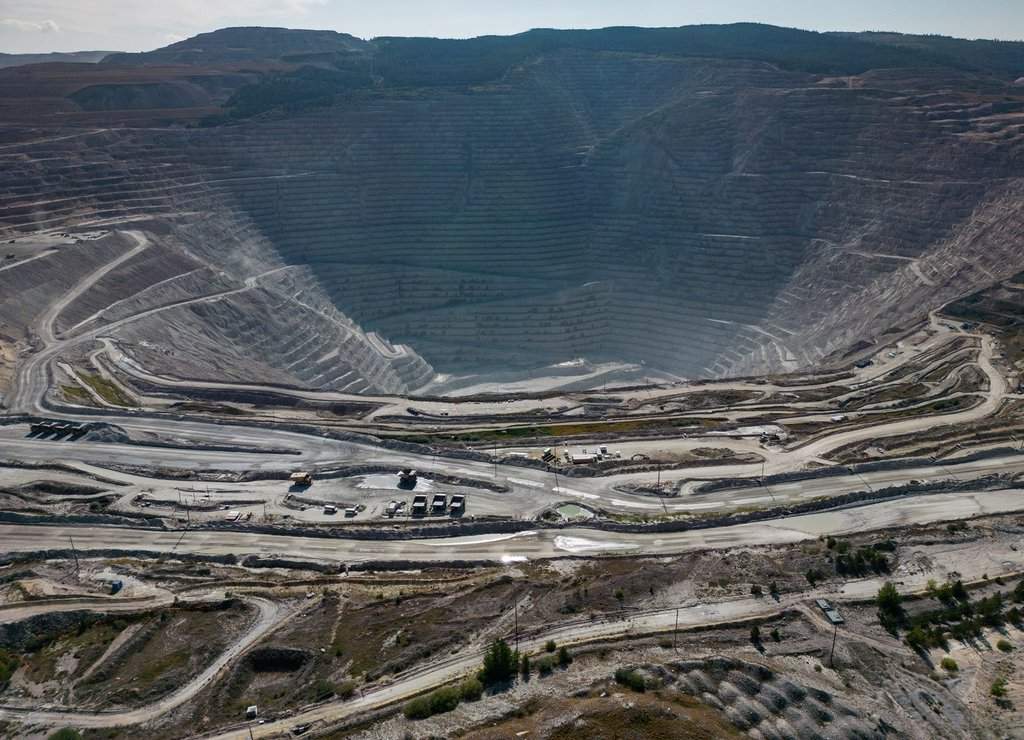
The map of tomorrow is not drawn with ink. It is scratched into the dirt with a diamond drill bit.
Drive north out of any provincial capital in Canada, past the manicured lawns and the fading neon of the suburbs, and the earth changes. The pavement surrenders to gravel, the gravel surrenders to muskeg, and soon you are swallowed by the ancient, unyielding shield of the continent. Granite. Pine. Silence.
For generations, this vast emptiness was viewed as a barrier. A cold, inconvenient expanse separating cities. But beneath the moss and the granite lies something else entirely. Nickel. Copper. Lithium. Cobalt. The literal atomic building blocks of the electric age. Without them, the cars remain silent in their showrooms, the grid flickers out, and the grand promises of a green future become nothing more than expensive ink on discarded paper.
Yet, finding these metals is a desperate gamble.
Meet Sarah. She is not a real person, but she represents hundreds of geologists working for mid-tier exploration companies across Ontario, Quebec, and British Columbia. Imagine her standing in a freezing helicopter hangar at five in the morning, breath pluming in the harsh fluorescent light, looking over a financial spreadsheet that makes her stomach drop. Her company found an anomaly three years ago—a deep, magnetic signature buried five hundred meters beneath the tundra that suggests a massive nickel deposit.
The science is there. The need is there. The money is running out.
Exploration mining is an act of pure faith financed by venture capital. Before a single ton of ore is pulled from the ground, companies spend tens, sometimes hundreds, of millions of dollars on airborne surveys, core sampling, environmental baselines, and endless community consultations. It takes a decade—sometimes longer—to take a mine from a spark of an idea in a geologist's notebook to a producing asset that feeds global supply chains.
And right now, that entire engine is sputtering.
Premiers from across the country have begun sounding an urgent alarm. They are knocking on Ottawa’s door with a unified message that brooks no hesitation: expand the mineral exploration tax credits, protect the flow of capital, and recognize that the energy transition will not wait for bureaucratic inertia.
Consider what happens when capital dries up. The drill rigs go silent. The geologists pack up their tents. The communities that rely on these remote outposts for high-paying jobs watch their economic lifeline fray. Most importantly, the critical minerals needed to manufacture batteries and build clean energy infrastructure remain trapped in the stone.
The federal critical minerals strategy laid out ambitious visions, but vision does not pay for aviation fuel in Northern Ontario. It does not fund the high-risk, high-reward drilling programs that replace depleted reserves with new discoveries. Global competitors are not waiting. Nations across the globe are aggressively sweetening incentives to attract mining investment, dangling tax structures that make Canadian exploration look hesitant by comparison.
The stakes could not be higher. If Canada wants to remain a global mining superpower rather than a bystander watching its natural advantages squandered, the financial frameworks must match the urgency of the moment.
The earth holds what we need. The question is whether we have the collective will to dig for it before the window closes.