The hand-wringing over the "deadly pyramid attack" and the subsequent presidential platitudes about World Cup safety are missing the point so spectacularly it feels intentional. While the media fixates on a singular, tragic flashpoint to question if Mexico is "ready" for 2026, they are ignoring the cold, hard reality of modern global events. Safety isn't a toggle switch that a government flips. It is a managed risk profile that most tourists—and certainly most FIFA delegates—don't actually want to understand.
Politicians love a good "ironclad guarantee." They promise rings of steel, thousands of federal troops, and high-tech surveillance. They tell you the stadiums will be fortresses. They are right. The stadiums will be the safest places on earth, and that is exactly why the conversation is a distraction.
The Fortress Fallacy
Every major sporting event since Munich 1972 has fallen into the trap of "Fortress Infrastructure." We spend billions securing the "Primary Zone"—the pitch, the locker rooms, and the VIP boxes where the champagne flows. We pretend that by screening every person entering the Estadio Azteca, we have secured the World Cup.
This is security theater at its most expensive.
Terrorism and organized violence are water; they find the path of least resistance. If you harden the stadium, the risk migrates to the subway line three miles away, the hotel lobby in Polanco, or the crowded fan zone where thousands of unprotected supporters gather to drink. The "pyramid attack" wasn't a failure of World Cup planning; it was a reminder that asymmetric threats thrive in the "Gray Zones" where official jurisdiction is murky and the cameras aren't yet installed.
I’ve sat in the rooms where these security budgets are allocated. The focus is always on optics. Why? Because you can’t photograph a "prevented crime," but you can photograph a line of soldiers in new uniforms.
Mexico Isn't the Problem, the Model Is
The narrative that Mexico is uniquely dangerous for a World Cup is a lazy trope. Brazil faced the same scrutiny in 2014. South Africa was treated like a war zone in 2010. Even Germany in 2006 had to answer for neo-Nazi activity. The common denominator isn't the host country’s inherent instability; it’s the fact that a World Cup is a giant, glowing "Kick Me" sign for anyone looking to make a statement on a global stage.
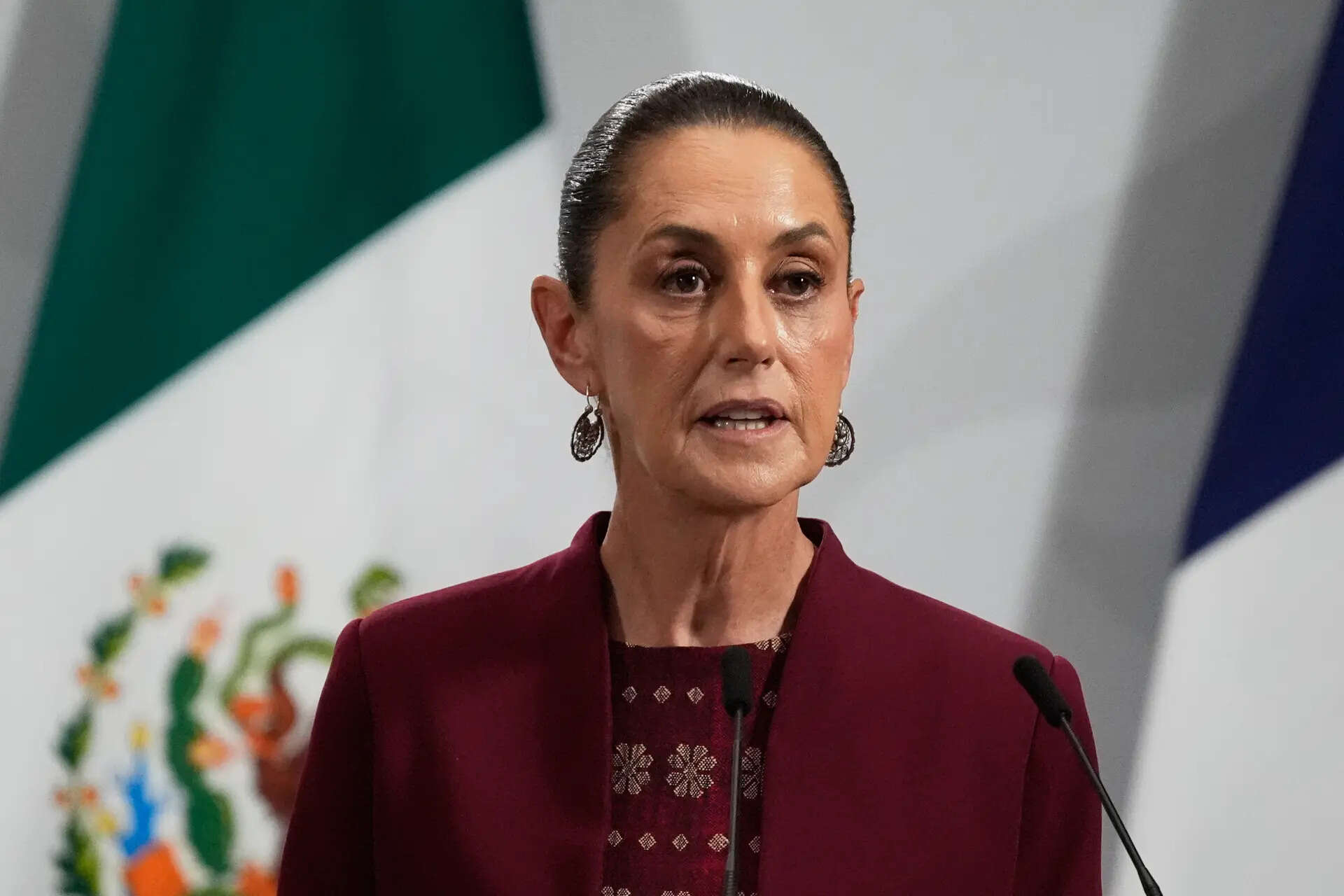
The Presidential statement following the violence at the archaeological site was a masterclass in bureaucratic deflection. Promising "maximum security" is a hollow phrase that actually decreases safety by creating a false sense of complacency among travelers.
Here is the truth nobody wants to say: A 100% safe World Cup is a mathematical impossibility.
When you move millions of people across three countries—Canada, the USA, and Mexico—you are creating a logistical nightmare that no amount of federal coordination can fully solve. The threat in Mexico isn't a lack of will; it’s the sheer scale of the sprawl.
Stop Asking if it’s Safe and Start Asking Who is Protected
If you are a high-net-worth individual with a private security detail and a pass to the FIFA hospitality suite, you are safe. If you are a fan from Sheffield or Buenos Aires wandering through a local market six hours before kickoff, you are participating in a massive social experiment.
The security plan for 2026 isn't designed to protect you. It’s designed to protect the broadcast.
FIFA’s primary concern is that the game starts on time and the sponsors' logos are visible. A riot three blocks away doesn't stop the clock. An attack on a tourist site, while tragic, is a "local law enforcement issue." By framing the conversation around the President’s "assurances," we allow the organizers to offload the moral responsibility of fan safety onto a government that is already struggling with internal regional conflicts.
The Counter-Intuitive Reality of Large-Scale Security
We often assume that more police equals more safety. History suggests otherwise.
In high-tension environments, a massive, visible military presence often escalates the very "vibe" it’s meant to suppress. It creates a friction point between the local population—who feel occupied—and the visitors—who feel targeted.
Real security in Mexico won't come from a presidential decree or a fleet of new armored SUVs. It comes from "soft security":
- Intelligence sharing that happens months before the first whistle.
- Localized community engagement that makes residents stakeholders in the event's success.
- Decentralized emergency response that doesn't rely on a central command bogged down by red tape.
The "deadly pyramid attack" was a tragedy, but using it as a barometer for World Cup readiness is like judging the safety of a commercial flight by a car crash on the way to the airport. They are related in geography, but the systems governing them are worlds apart.
The Logic of the "Gray Zone"
Critics point to the influence of cartels as the primary threat. This shows a fundamental misunderstanding of how those organizations operate. Violent groups are, if nothing else, rational economic actors. Bringing heat on themselves by targeting a global event that the entire world is watching is bad for business. The real danger isn't a coordinated "attack" on the tournament; it’s the collateral damage of existing local tensions that don't take a holiday just because there’s a soccer game.
The President’s assurance is a PR band-aid on a systemic wound. You cannot "assure" safety in a country where the police force in one municipality doesn't trust the police force in the next.
Actionable Advice for the Real World
If you are planning to attend, ignore the government brochures. Stop looking for "safe zones" on a map provided by a tourism board.
- Trust the Friction: If a place feels too quiet or too empty, leave. In Mexico, safety is often found in the "high-friction" areas—busy, well-lit, populated spaces.
- Digital Situational Awareness: Forget the local news. Follow real-time social media feeds from local neighborhood groups. They know the street-level reality hours before the federal government acknowledges a problem.
- Assume the "Fortress" is a Mirage: Once you leave the stadium perimeter, you are on your own. Act accordingly. Don’t rely on a "World Cup Security App" to save you.
The media wants a binary: Is Mexico safe or not? That’s a child’s question.
The reality is a spectrum of risk that shifts by the hour, the street, and the city. The President’s statement wasn’t a security plan; it was a marketing pitch. If you want to be safe, stop listening to the people whose jobs depend on you buying a ticket.
The 2026 World Cup will be a spectacle of monumental proportions. It will also be a reminder that in the age of globalized terror and decentralized crime, the idea of a "guaranteed safe" mega-event is a relic of a world that no longer exists.
Stop looking at the pyramids and start looking at the gaps in the fence. That’s where the real story lives.
Fixating on a single incident of violence to judge an entire nation’s readiness is peak intellectual laziness. The threat isn't that the Mexican government can't protect the World Cup. The threat is that they will spend so much energy protecting the brand that they forget to protect the people.
Pack your bags, buy your tickets, but leave the delusions of state-sponsored invincibility at home. The pitch is green, the sun is hot, and the risk is permanent. Welcome to the real world.