The Weight Standard Delusion
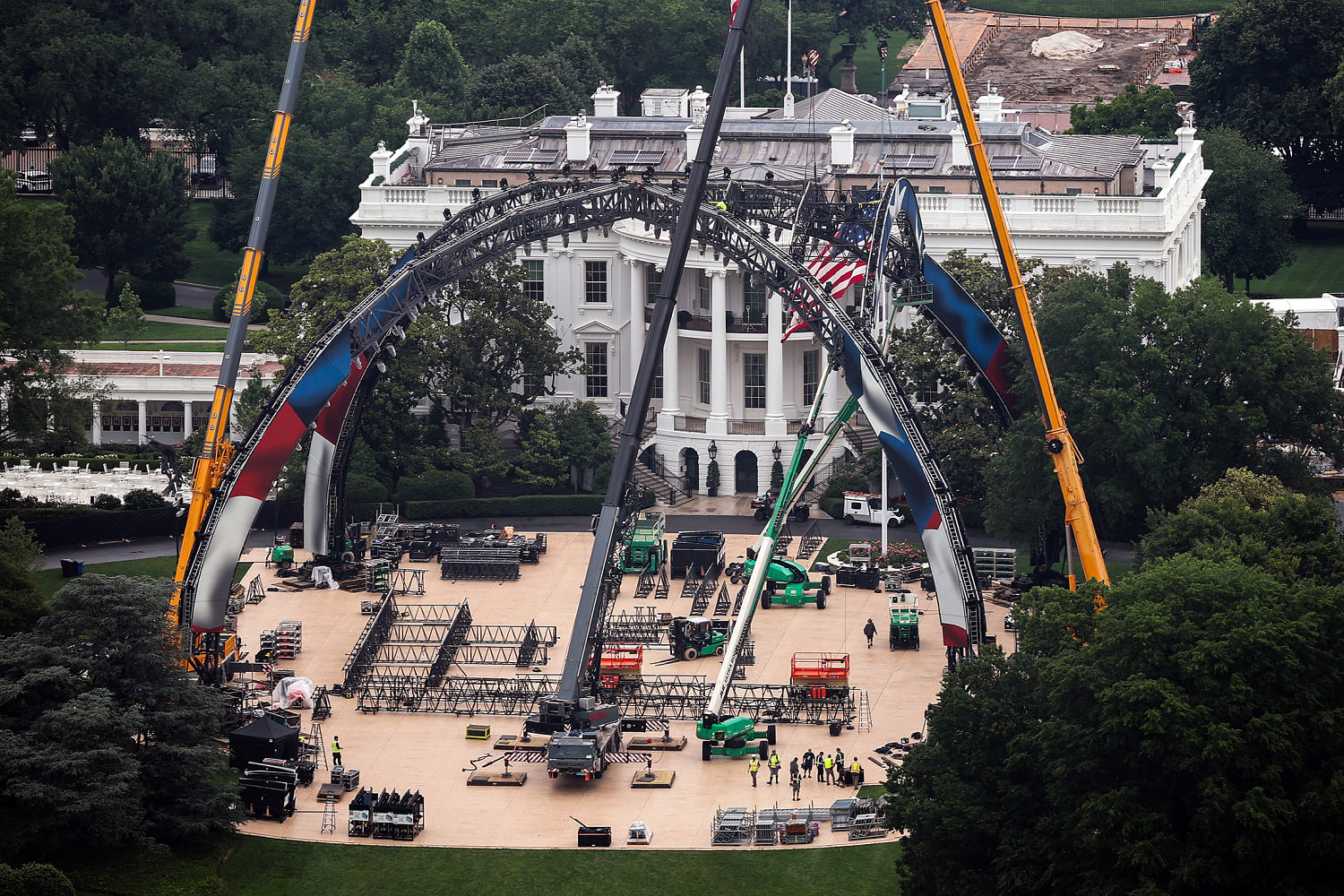
The military is barred from a high-profile sporting event because of a waistline measurement. Mainstream media outlets are wringing their hands over the news that service members must meet strict body composition and physical fitness criteria to attend a White House UFC event. The lazy consensus screams that this is a PR stunt, an unfair restriction on our troops, or a superficial demand from Washington elites.
They are missing the entire point.
The real story isn't that a few heavyweights are missing out on ringside seats. The real story is that the military’s entire approach to fitness data is broken, outdated, and actively harming readiness. For decades, the armed forces have relied on archaic metrics to determine who is "fit" and who is "fat." By treating a ceremonial appearance like a combat deployment, the Pentagon is doubling down on a flawed paradigm.
I have spent years analyzing institutional performance and structural bureaucracy. I have watched organizations waste millions of dollars chasing arbitrary compliance goals while their actual operational capabilities degrade. The military's obsession with legacy height-and-weight standards is the ultimate example of this bureaucratic blindness.
The Tape Test is Broken Science
Let us look at what the military actually uses to measure fitness: the circumference chart, commonly known as the tape test. Developed in the late 20th century, this method estimates body fat by measuring the neck and abdomen. It is a crude proxy tool that treats human anatomy like a uniform cylinder.
Every exercise physiologist knows the flaw here. The tape test routinely penalizes service members with high muscle mass. A powerlifter or a natural heavyweight with a thick neck and a dense core can easily bust the tape, while a sedentary individual with minimal muscle mass and high visceral fat passes with flying colors.
"The Department of Defense continues to utilize body composition standards that fail to differentiate between lean muscle mass and adipose tissue, resulting in the administrative persecution of some of our most physically capable assets."
This is not a theoretical problem. It creates a perverse incentive structure. Troops starve themselves, dehydrate, or abuse dangerous supplements just to pass a bi-annual weigh-in. They are dropping water weight and sacrificing muscle tissue—the exact opposite of what a warrior needs to survive in a high-stress environment.
The True Cost of Arbitrary Compliance
When you judge capability based on a scale, you get a force that looks good in a dress uniform but falters under a 100-pound ruck sack. Physical readiness is not a aesthetic choice.
Consider the physical demands of modern combat. A soldier needs explosive power, structural durability, and metabolic flexibility.
- Explosive Power: Necessary for sprinting across a fatal funnel or dragging a wounded comrade to safety.
- Structural Durability: Required to absorb the constant micro-traumas of wearing heavy body armor and riding in tactical vehicles.
- Metabolic Flexibility: The ability to operate on limited sleep and erratic nutrition without systemic failure.
The current standards do not measure these traits accurately. They measure compliance. By enforcing these same flawed standards for a purely ceremonial event at the White House, leadership is signaling that appearance matters more than actual utility. It is an extension of the corporate "face-time" culture, transported into the military ecosystem.
Redefining the Combat Athlete
To fix this, the military needs to steal a page from the very organization hosting the event they are attending: the UFC.
Mixed martial arts athletes do not care about a generic body mass index. They care about performance windows, power-to-weight ratios, and recovery metrics. They use dual-energy X-ray absorptiometry (DEXA) scans, VO2 max testing, and biometric tracking to optimize performance.
If the Pentagon wants a truly lethal force, it must transition from a culture of punitive restriction to one of elite sports science.
The New Readiness Protocol
Instead of the tape test, implement a three-tiered assessment focused on output rather than dimensions.
- Absolute Strength Testing: Measures the maximum force a service member can generate, establishing the baseline for moving heavy loads.
- Work Capacity Circuits: High-intensity, functional movements executed under time pressure to simulate the chaos of an engagement.
- Advanced Biometrics: Replacing the scale with body composition technology that accurately measures lean mass versus fat mass.
Yes, this approach has downsides. It requires more expensive equipment. It demands smarter leaders who understand data rather than bureaucratic checklists. It means you cannot just line up 500 soldiers and clear them in an afternoon with a piece of plastic tape. But true readiness is never cheap, and it is never convenient.
Dismantling the Gatekeeping Culture
The decision to screen troops for a sporting event based on fitness scores is a symptom of an organization that uses gatekeeping as a substitute for genuine leadership. It creates a culture of resentment. The message sent to the rank-and-file is clear: you are good enough to deploy, but you are not pretty enough for the cameras.
We need to stop treating physical fitness as a moral virtue and start treating it as a functional capability. A 240-pound soldier who can deadlift 500 pounds and run a sub-seven-minute mile is a devastating asset on the battlefield, even if his waist measurement makes a bureaucrat sweat.
The media will keep focusing on the optics of the White House guest list. They will argue about who deserves a seat and who doesn't. But the real failure isn't who gets left off the bus to Washington. The real failure is that the bus is being steered by an outdated manual written before the internet existed.
Stop measuring the wrapper. Start measuring the machine.