A girls' elementary school in southern Iran is now a mass grave, and the finger-pointing from Washington is getting messy. On February 28, 2026, the Shajareh Tayyebeh school in Minab was leveled during the opening salvos of the U.S.-led air campaign. Over 150 people are dead. Most were girls between the ages of seven and 12. While the headlines focus on "denials" and "investigations," the reality on the ground is a gut-wrenching scene of blood-stained backpacks and concrete dust.
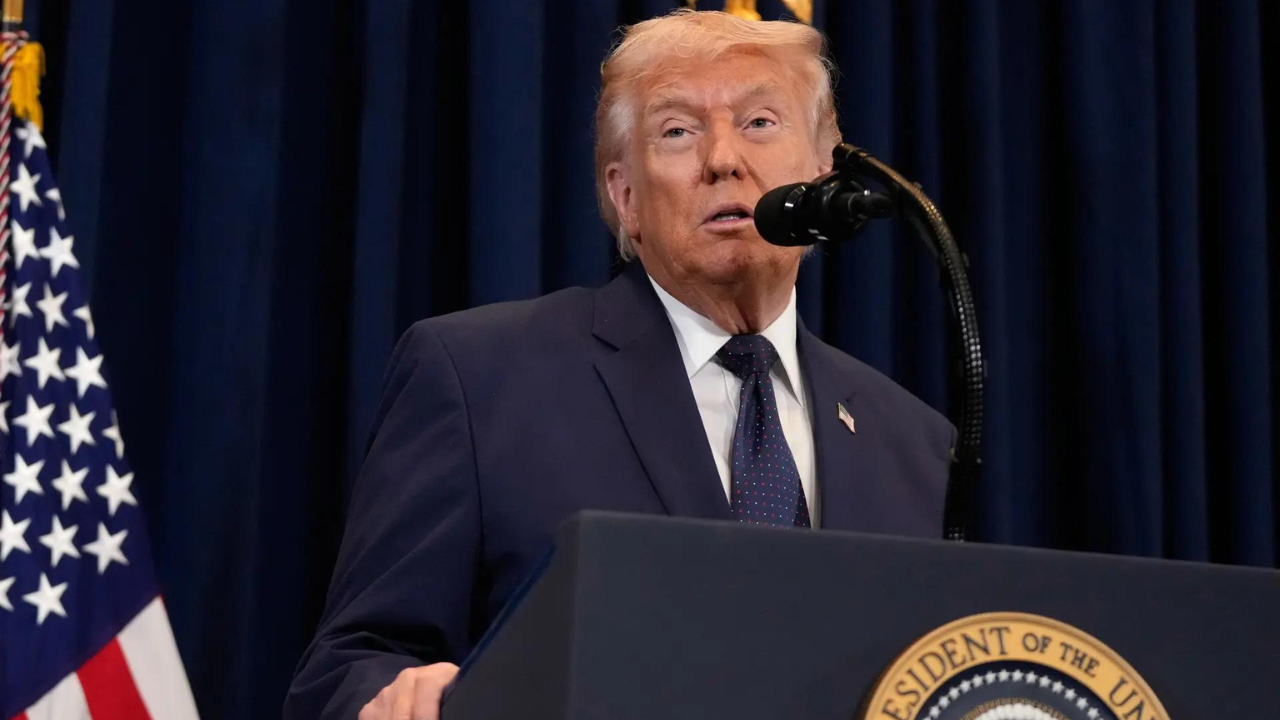
You’ve probably seen the official line. President Trump claimed on Air Force One that Iran hit its own school with "inaccurate munitions." It's a bold claim. It's also one that his own Pentagon isn't exactly rushing to back up. While the White House plays the blame game, military investigators and independent groups like Bellingcat are looking at something much more damning: the possibility that a U.S. Tomahawk missile was the culprit. Don't miss our previous article on this related article.
What Happened in Minab
The strike didn't happen in the middle of the night. It happened at 10:45 a.m. on a Saturday—a normal school day in Iran. The Shajareh Tayyebeh school sits in the Hormozgan province, right next to a naval base for the Islamic Revolutionary Guard Corps (IRGC). This proximity is the heart of the tragedy.
Initial reports from the Iranian Ministry of Education suggest 264 students were in the building when the roof collapsed. The death toll sits between 168 and 180. These aren't just numbers. We're talking about the school principal, several teachers, and rows of children who were literally in the middle of a lesson. To read more about the context here, Reuters provides an in-depth summary.
The site was "triple-tapped." That means three separate strikes hit the area in quick succession. While the U.S. says it only targets military objectives, the school was hit directly. It wasn't just "collateral damage" from a nearby blast. The building itself was a target.
The Intelligence Failure Behind the Blast
Why would a precision-guided missile hit a primary school? The most likely answer is as boring as it is lethal: outdated maps.
For years, the school building was part of the IRGC naval compound. But around 2022, it was walled off and repurposed as a civilian school. It has murals of crayons and apples on the walls. It has a playground. From a satellite, it looks exactly like what it is. However, if a targeting officer is looking at a 2021 digital map, that building is labeled "Military Barracks."
We see this mistake happen in almost every modern conflict. The U.S. military relies on "precision," but that precision is only as good as the data fed into the system. If the data says a building is a barracks, the missile doesn't care if there are seven-year-olds inside.
- The Munition: Experts have identified fragments and video evidence pointing to a Tomahawk cruise missile.
- The Responsibility: Only the U.S. is currently using Tomahawks in this specific theater. Israel doesn't use them.
- The Denial: Trump’s "Iran did it" theory falls apart when you realize there were no Iranian air defense launches or "misfires" recorded in Minab that morning.
The Human Toll is Unbearable
I've seen the footage coming out of Hormozgan. It's not something you forget. In one verified clip, a father is holding a small green dress—the school uniform—covered in gray dust. Local hospitals in Minab were overwhelmed within thirty minutes. They didn't have enough blood. They didn't have enough beds.
The Iranian Students' News Agency (ISNA) confirmed the school principal was killed instantly. Many of the girls who survived the first impact were killed during the subsequent strikes as they tried to flee. This "double-tap" or "triple-tap" tactic is designed to ensure a target is destroyed, but when the target is a school, it just ensures no one gets out alive.
UNESCO and Human Rights Watch are already calling this a war crime. Whether it was an "honest mistake" or a "negligent strike" doesn't change the fact that international law requires commanders to verify their targets. If journalists can geolocate the school using Google Earth in ten minutes, a billion-dollar military intelligence apparatus has no excuse for missing it.
Truth vs Propaganda
The information war is just as heated as the actual one. Pro-monarchist Telegram channels tried to spread a rumor that it was a failed Iranian interceptor missile. That was debunked within hours. The "misfire" images they used were actually from an incident in Zanjan, hundreds of miles away.
The U.S. Pentagon is in a tough spot. They've launched an internal assessment, which is basically their way of saying, "Yeah, we probably did it, but we need to figure out how to frame it." Secretary of State Marco Rubio said the U.S. would "never deliberately target a school." That's likely true. But "not deliberate" isn't a legal defense when 150 kids are dead because you didn't check your maps.
Moving Forward
If you're looking for a silver lining, there isn't one. This is a massive failure of intelligence and a humanitarian disaster. The next few weeks will be filled with "preliminary findings" and carefully worded statements from the White House.
Don't expect a formal apology anytime soon. Historically, when these "accidents" happen, the response is a quiet internal memo and maybe a change in targeting procedures. For the families in Minab, that’s not enough. They’re left burying their children in a war that most of them didn't ask for.
Watch the official briefings. If they stop mentioning the "Iran misfire" theory and start talking about "unfortunate target misidentification," you'll know the truth has finally caught up with the politics. Support independent organizations like the Iranian Red Crescent that are actually on the ground providing aid, because the political players are too busy trying to save face.


