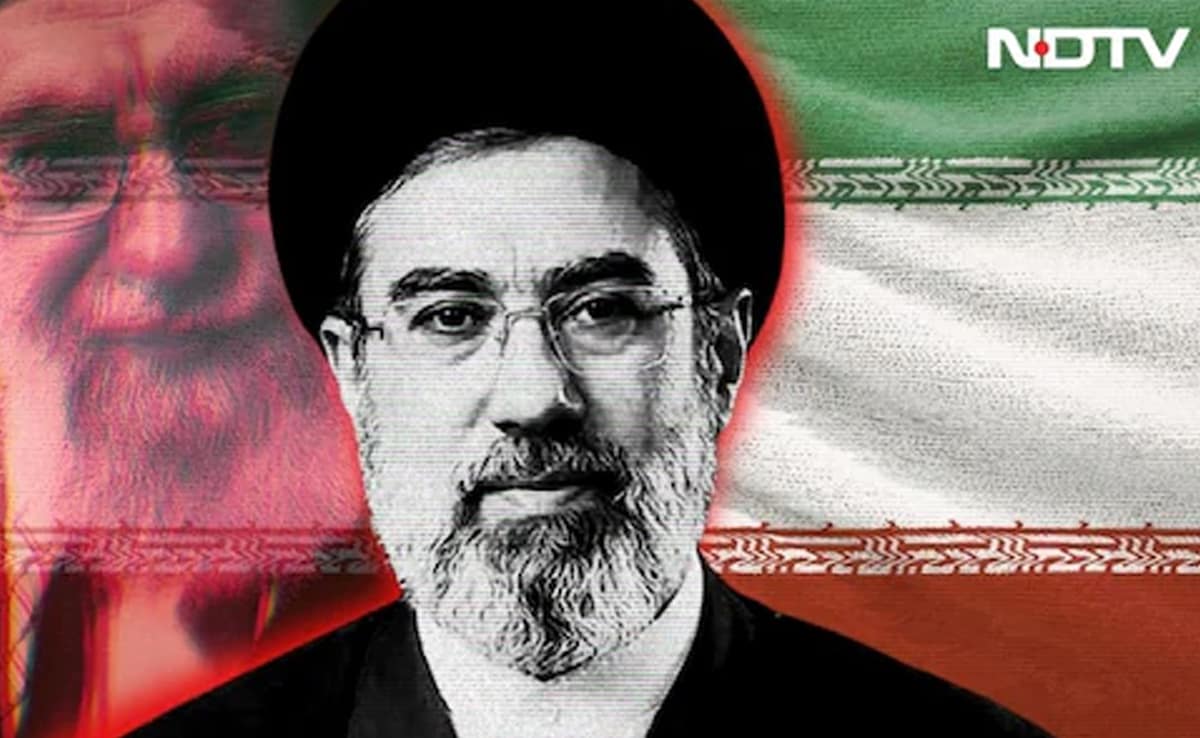
Mojtaba Khamenei isn't backing down. If anyone thought the sudden transition in Tehran would lead to a "thaw" or a desperate plea for a ceasefire, they haven't been paying attention. In a high-stakes message sent to Hezbollah’s Sheikh Naim Qassem, the new Supreme Leader made it clear: the Islamic Republic’s support for the "Axis of Resistance" isn't just a policy; it's the DNA of his leadership.
The timing of this message couldn't be more loaded. We're talking about a period where US-Israeli strikes have been pounding Iranian infrastructure, including the Tehran oil depots that have left the capital under a thick, toxic blanket of black smoke. Most leaders would be looking for an exit ramp. Mojtaba is instead flooring the gas pedal. He’s not just continuing his father’s legacy—he’s leaning into a more aggressive, hardline stance that could redefine the entire Middle East.
The Succession That Changed Everything
Mojtaba’s rise wasn't supposed to be this fast. For years, he was the guy behind the guy, the shadowy "Vakil" of his father's office. He wasn't even a full Ayatollah until very recently. But the 2026 war changed the math. When the first wave of US-Israeli strikes hit Tehran on February 28, it didn't just take out the former Supreme Leader; it wiped away the slow, calculated succession plan.
The Assembly of Experts basically had no choice. They needed a leader who could keep the Islamic Revolutionary Guard Corps (IRGC) in line and project strength while the country was literally on fire. Mojtaba was the only one with the deep-rooted "loyalty structure" to pull it off. He's been the de facto boss of the Basij and the IRGC's intelligence wings for years. He knows where the bodies are buried—and he’s not afraid to add to the pile.
Why the Resistance Matters More Now
When Mojtaba vows to support the resistance against the "Zionist and American adversary," he’s speaking to two audiences. First, he’s telling the guys on the ground—Hezbollah in Lebanon, the Houthis in Yemen, and the militias in Iraq—that the checks will still clear. He’s explicitly praising figures like the late Qassem Soleimani and Sayyed Hassan Nasrallah, framing himself as the direct heir to their "steadfast path."
Second, he’s speaking to the internal hardliners in Iran. There’s a segment of the Iranian elite that's nervous about dynastic rule. By positioning himself as the ultimate defender of the Revolution's core values, he's silencing critics who might see his appointment as a "monarchy in a turban."
A New Strategic Phase
Don't expect the old rules to apply here. Mojtaba is widely considered more radical than his father. While Ali Khamenei often played a long, cautious game, his son seems more comfortable with direct confrontation.
- The Strait of Hormuz: Mojtaba has already ordered that the blockade of this vital energy route must continue. He's using the global economy as a hostage.
- Nuclear Ambitions: Unlike his father, who issued a fatwa against nuclear weapons (which many skeptics never believed anyway), Mojtaba is viewed as someone who might finally push for the "bomb" as the ultimate deterrent.
- Proxy Escalation: He’s not just sending weapons; he’s talking about opening "new fronts" in places where the US has "no experience." This is a direct threat to American bases across the Gulf.
The reality is that Mojtaba is trapped in a corner. The US and Israel have already labeled his leadership "unacceptable." Donald Trump basically said he wouldn't last long without US approval. In that context, Mojtaba’s only move is to fight his way out. He needs the Axis of Resistance to stay active to keep the fight away from Iran’s borders, or at least to make the cost of attacking Iran so high that the West blinks first.
The Looming Regional Explosion
The "True Promise 4" operations—the 88th wave of them—show that this isn't just tough talk. IRGC naval forces are hitting Israeli-linked ships in the Persian Gulf with ballistic missiles. They’re launching drones at US Marine hideouts. This isn't a "shadow war" anymore. It's a full-blown regional conflict with no clear end in sight.
The problem for the rest of the world? Oil and gas prices are already through the roof. Groceries are getting more expensive because transportation costs are insane. If Mojtaba stays the course, we're looking at a global economic downturn that could make 2008 look like a warm-up act.
What Happens Next?
If you're tracking this, keep your eyes on the regional governments hosting US bases. Mojtaba has been "recommending" they shut those bases down. That’s a polite way of saying "close them or we'll blow them up." It’s a classic squeeze play.
Next steps for those following the situation:
- Watch for any shifts in the rhetoric coming out of the UAE and Qatar; they’re the ones most caught in the crossfire.
- Monitor the shipping rates in the Persian Gulf. If the "war risk" insurance goes up again, expect another jump in gas prices.
- Look for signs of internal dissent in Iran. If the black smoke over Tehran doesn't clear, even the most hardline leader will eventually face a restless population.
Mojtaba Khamenei is betting the house on the resistance. He’s betting that he can outlast the US and Israel through sheer attrition. Whether that’s a brilliant strategic play or a suicide mission for the Islamic Republic is something we’re going to find out very soon.