The sea air is supposed to carry a specific kind of amnesia. Stepping onto the deck of a massive cruise liner usually involves shedding the rigid deadlines of land, trading morning traffic for an endless horizon of deep blue, and letting the collective hum of thousands of vacationers blur into white noise. Families gather near the railings, ice cream melts too quickly under the midday sun, and children run with an unbridled, kinetic energy that only vacation can manufacture.
Then, reality cracks.
It starts with a sharp sound. Not the deep, authoritative blast of the ship's horn signaling departure, but something jarringly human. A sudden escalation of voice. A sharp commotion cutting through the low roar of ocean wind and pool deck chatter.
Consider what happens next: a moment of innocent play collides violently with adult fury, transforming a floating sanctuary of leisure into a crime scene on the water.
When Play Meets Rage
The game was simple. Tag.
For children, the rules of the world are elastic. A designated boundary, a burst of breathless laughter, a frantic dash past lounge chairs, and the frantic touch of a hand on a shoulder. It is the universal language of youth, played out in corridors and open decks where parents assume safety is the baseline default of the ticket price.
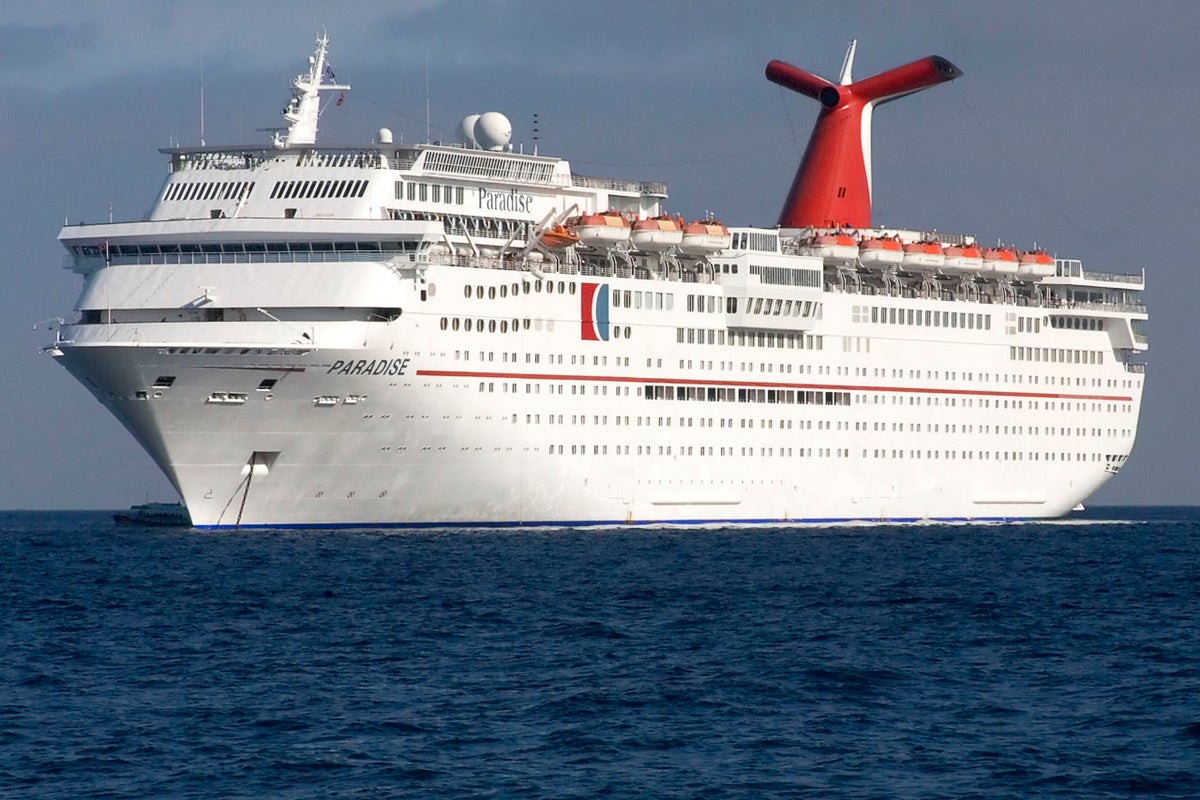
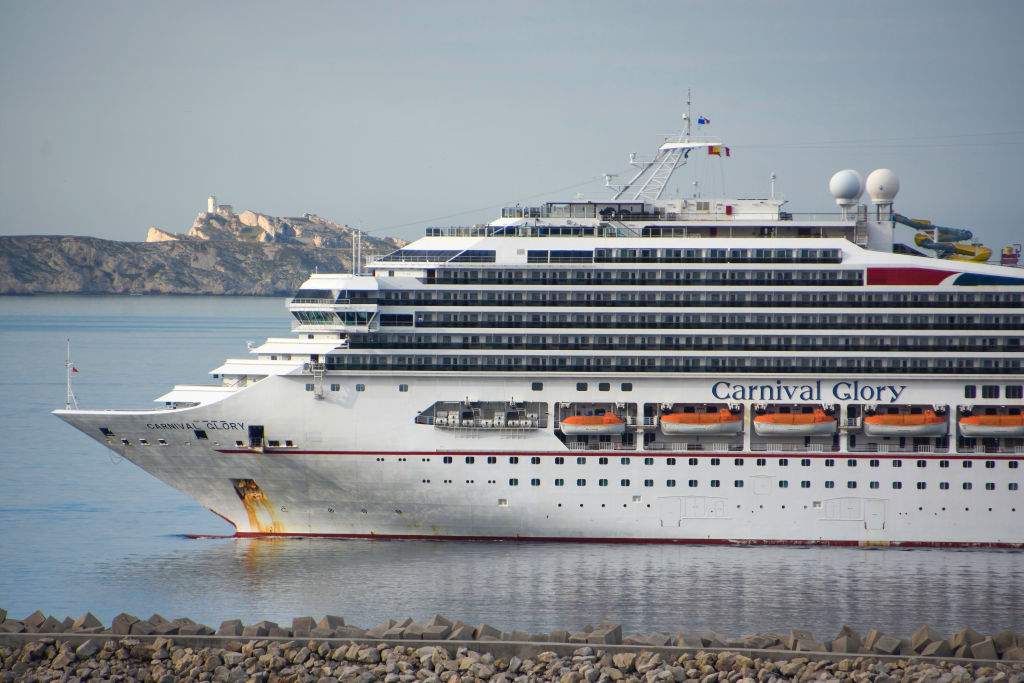
On a recent voyage aboard a U.S. cruise, that simple pursuit crossed paths with a passenger whose tolerance had completely evaporated.
According to law enforcement and witness accounts, children running through the vessel's shared spaces were playing tag. They were loud. They were fast. They were, fundamentally, just being children on a holiday meant for families. But to a fellow passenger, their movement was perceived not as joy, but as an intolerable intrusion.
Violence followed.
An adult passenger allegedly lashed out physically, striking children involved in the game. The immediate aftermath was a chaotic swirl of confusion, crying minors, shouting adults, and security personnel rushing through the labyrinthine decks to restore order. The illusion of a self-contained, peaceful floating city dissolved instantly.
Vacation stress is a strange, pressurized phenomenon. People spend thousands of dollars seeking escape, carrying invisible burdens onto ships that hold upward of several thousand strangers in close proximity. The buffet lines are long. The elevators are slow. The cabins are compact. For some, the friction of communal living becomes a slow-burning fuse.
Yet, striking a child over a game of tag shatters every social contract of civilized travel.
The Floating Jurisdiction Maze
Few travelers realize the legal labyrinth they enter when they board a cruise ship.
Out on the open ocean, far beyond the visible coastline, the rules of land-based life shift dramatically. When a crime occurs on a cruise ship flagged in a foreign country or sailing in international waters, jurisdiction becomes a complex web involving the ship's flag state, the nationality of the victim and the perpetrator, and the laws of the country where the ship ultimately docks.
Federal law enforcement steps in when these vessels return to U.S. ports. In this case, the Federal Bureau of Investigation and U.S. Customs and Border Protection met the ship upon its return, transitioning the environment from holiday mode to federal custody in a matter of minutes.
The suspect now faces criminal charges. The legal system moves deliberately, coldly analyzing the exact sequence of events, reviewing blurry security camera footage from the ship’s corridors, and taking depositions from traumatized families whose dream vacation ended in an interrogation room.
We rarely think about the legal machinery humming beneath the polished brass and midnight buffets. We pack our bags, check our passports, and board the gangway believing that the rules of society follow us seamlessly across the water. But cruise ships are unique micro-cities, densely populated and entirely isolated, where stress levels run high and the consequences of a momentary loss of control echo far beyond the disembarkation port.
The Quiet Aftermath on Deck
Back on the ship, after the sirens fade and the reports are filed, the atmosphere changes.
Other passengers look at each other differently in the elevators. Conversations drop to whispers near the pool. Parents keep a tighter grip on small hands, suddenly acutely aware of the strangers sharing their temporary home.
The ocean remains indifferent. It rolls beneath the hull with the same ancient rhythm, unfazed by human anger or federal charges.
We travel to escape ourselves, to find a wider view, to remember what wonder feels like. We place our trust in massive steel vessels and the corporate promises of relaxation. But human nature travels too. It fits neatly into the suitcase, waiting for a stray footstep, a loud noise, or a game of tag to ignite a spark that turns paradise into a cautionary tale.
The ship docks. The passengers disperse. But the memory of that sharp blow on a sunny deck remains, a stark reminder that even miles out to sea, we can never truly outrun our own fragility.