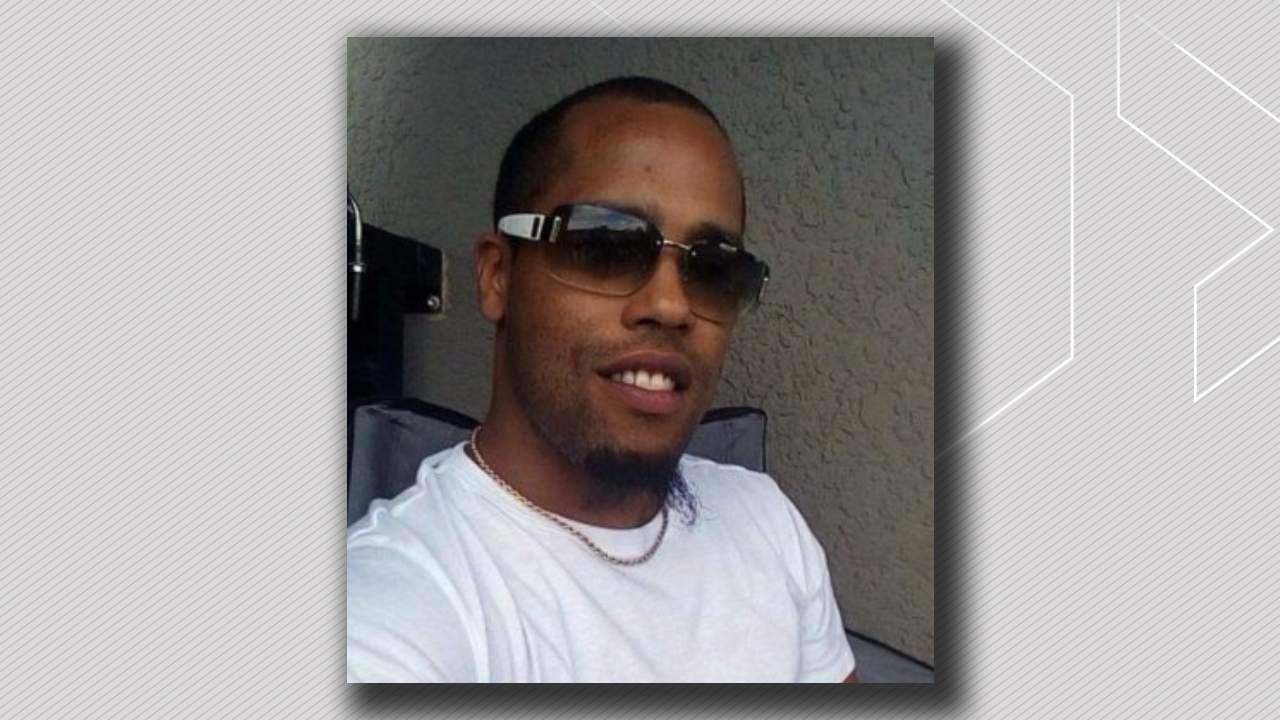
Ten years and nine months. That is the prison term handed down to Nathan Bell for his role in the violent Moss Park mass shooting that left one person dead and three others wounded. If that duration feels surprisingly short for a public execution-style attack, you are not alone. Public outrage usually follows numbers like these. People look at a life lost, multiple injuries, and a mountain of evidence, only to watch the perpetrator walk away with a sentence that guarantees freedom down the road.
Let's look at what actually happened during the trial and sentencing. Back on May 22, following a grueling six-week jury trial, Bell was famously acquitted of first-degree murder. The jury also cleared him of multiple counts of attempted murder. Instead, they found him guilty of the lesser charge of discharging a firearm with intent to wound. Add in his guilty pleas for violating three separate weapons prohibition orders, and you get the final calculation. Justice moved through legal loops, landing on a decade behind bars rather than a life sentence. Read more on a connected issue: this related article.
Breaking Down the Trial and the Verdict
The tragedy unfolded in the early morning hours of September 16, 2023. Bell and his friend Richard Baker took an Uber from Brampton straight to the downtown Toronto intersection of Sherbourne and Dundas streets. They met up with Baker's brother, and chaos erupted. A public transit stop turned into a war zone. One victim died on the pavement, while three others scrambled away with gunshot wounds.
Courts deal in proof, not assumptions. Prosecutors failed to convince the jury that Bell pulled the trigger for the fatal shot or that he intended to commit murder. Jurors parsed weeks of testimony, sorting through shifting narratives and forensic details. They settled on a compromise verdict. Bell fired a gun recklessly in a crowded public space, but the state couldn't prove he meant to kill anyone specifically. That legal distinction changes everything. It drops murder down to discharging a firearm with intent to wound, capping the legal gravity of his actions in the eyes of the jury. More reporting by Reuters highlights related views on the subject.
A Record of Defiance
You have to look at Bell's background to understand why the sentence triggered intense debate. At the time of the Moss Park shooting, Bell possessed a rap sheet containing 43 prior convictions dating back to 2005. His criminal history features firearms violations, robberies, assaults, and a 2017 conviction for manslaughter that netted him a 35-month penitentiary sentence.
Think about that timeline. A man with a proven history of deadly violence and active weapons bans somehow managed to secure another illegal firearm, travel into downtown Toronto, and open fire. Justice Campbell, presiding over the sentencing, noted that Bell carried illegal weapons as a matter of routine. The judge tried to push back, labeling it a late-night public shooting that required a sentence at the upper bound of the appropriate legal range.
Yet, math dictates reality in modern sentencing. Bell received enhanced credit for time already spent in pretrial custody. When you subtract those months from the ten years and nine months, he faces roughly six years and five months of actual prison time ahead of him. He also received a lifetime weapons prohibition order, which feels symbolic at best given how easily he ignored his previous three bans.
The Real Cost of Soft Deterrence
Public safety relies on credible deterrence. When a repeat offender with a history of manslaughter cycles through the correctional system and returns to the streets within a few short years, public trust fractures. Critics point to these outcomes as proof that weapon prohibitions fail to protect ordinary citizens. Passing laws against carrying firearms means nothing if the penalties for breaking those bans run concurrently or get swallowed by pre-trial custody credits.
Communities around Sherbourne and Dundas bear the scars of that night. Public transit users shouldn't have to dodge bullets because individuals out on restrictions treat downtown street corners like firing ranges. Until the justice system starts treating illegal firearm possession as an absolute threat to societal survival rather than a manageable technical violation, these headlines will keep repeating. Bell will eventually walk free, while the victims and their families carry a permanent sentence.
Man sentenced to over 10 years in prison in Moss Park mass shooting
This video provides additional context regarding recent severe mass shooting sentencing decisions and how courts handle multiple life terms or lengthy prison terms for firearm violence.
http://googleusercontent.com/youtube_content/1


