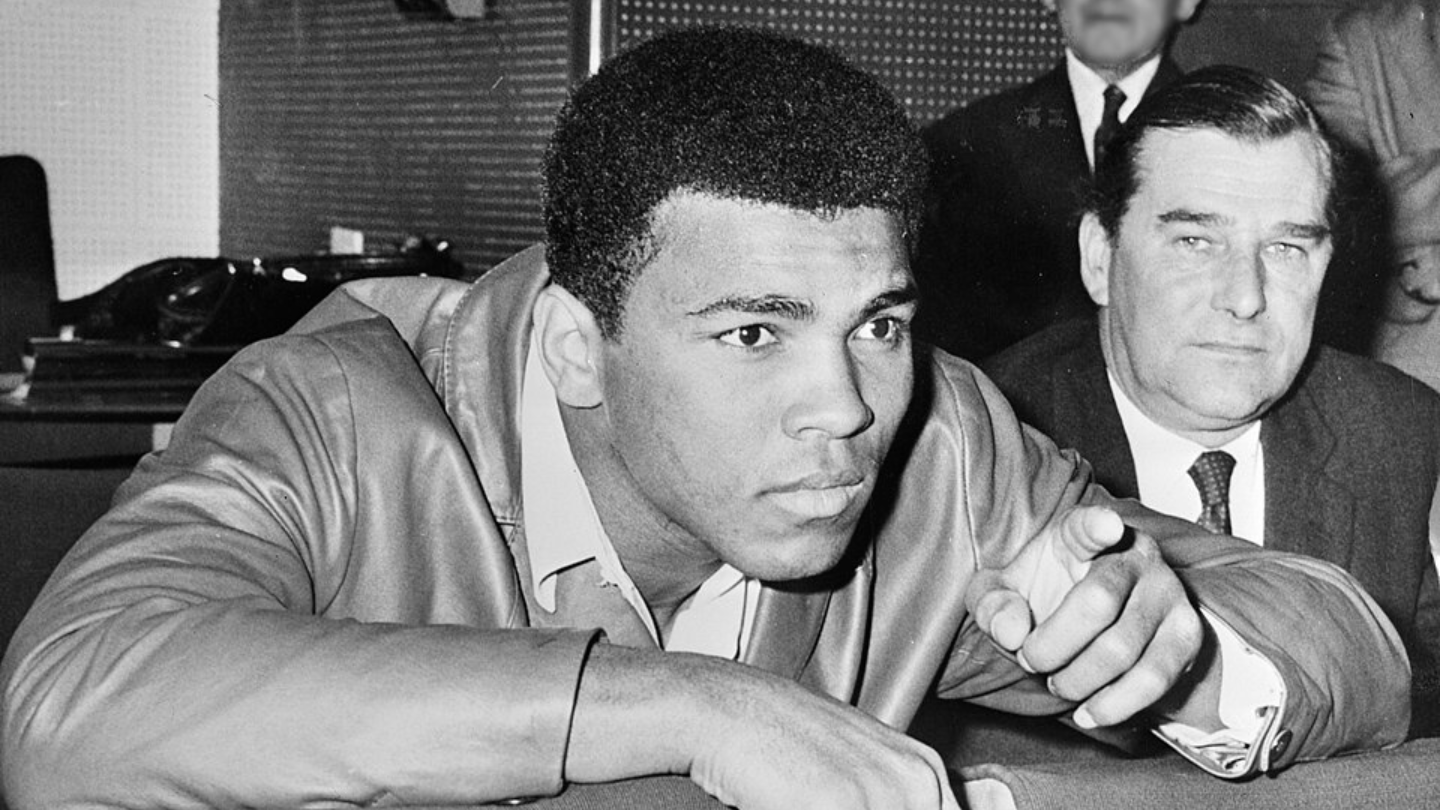
Muhammad Ali is widely celebrated for saying that true charity happens in the dark. The sentiment is beautiful. It makes for an incredible quote on a motivational poster. It suggests that the purest acts of kindness are the ones no one ever sees, arguing that publicizing your giving taints the altruism with ego and self-promotion.
It is an elegant philosophy. It is also entirely wrong for the modern era.
The obsession with silent altruism is a relic of an era before systemic transparency. In today's hyper-connected reality, keeping your giving hidden does not protect your soul; it actively harms the causes you claim to support. We need to kill the romantic myth of the silent donor. If you are doing good, you have an obligation to shout it from the rooftops.
The Dangerous Fallacy of the Pure Motive
The standard argument for anonymous giving relies on a deeply flawed psychological premise: that an act of charity only possesses moral value if the donor receives absolutely zero social benefit from it.
This is a puritanical trap.
When a public figure, a corporation, or a high-net-worth individual hides their philanthropic footprint, they deprive the market of a powerful psychological force: social proof. Human beings are evolutionary mimics. We do not look to abstract moral imperatives to decide how to behave; we look to our peers and our cultural icons.
Imagine a scenario where a tech billionaire quietly cuts a check for $50 million to eradicate hookworm in rural communities but insists on absolute anonymity. They protect their modesty. Meanwhile, their peers assume they are just hoarding wealth. The cultural baseline does not shift.
Now, consider the alternative. When an influential figure aggressively publicizes a massive donation, it establishes a new benchmark. It creates social pressure. It forces their competitors, their peers, and the public to ask a brutal question: If they are giving that much, why am I holding back?
Amos Tversky and Daniel Kahneman famously detailed how cognitive biases dictate human choices. The anchoring effect proves that the first piece of information offered matters immensely. Public charity acts as a moral anchor. It raises the baseline of what is considered acceptable behavior within a society or an industry. Silent giving leaves the anchor at zero.
Generosity as a Competitive Sport
We need to stop treating ego as the enemy of philanthropy. Ego is one of the most sustainable energy sources on the planet. If we can harness human vanity to build clean energy grids, fund medical research, and feed starving populations, then let the billionaires brag.
I have spent years watching corporate boards debate environmental, social, and governance metrics. The companies that achieve the highest measurable impact are rarely the ones led by quiet saints. The real impact comes from companies driven by aggressive executives who want to crush their competitors in every single category, including corporate social responsibility.
They want the press release. They want the top spot on the list. They want the public adulation.
Good. Let them have it.
The end recipient of a charitable dollar does not care if the money came from a place of pure, unadulterated altruism or from a CMO looking to spin a PR crisis. A well-funded oncology ward saves lives regardless of whether the donor wanted their name on the building in gold letters. By demanding that giving remain quiet and humble, we drastically reduce the total volume of capital entering the non-profit sector. We prioritize the emotional comfort of the donor over the physical survival of the beneficiary.
The Economics of Visible Giving
Let's break down the mechanics of how public giving creates a compounding return on investment for society.
- The Network Effect: Public donations act as free marketing for underfunded causes. When a major name attaches themselves to a niche disease or a localized crisis, they drive search volume, media coverage, and thousands of smaller grassroots donations that otherwise would never have materialized.
- Operational Accountability: Anonymous money is quiet money, and quiet money is easily mismanaged. When a high-profile entity makes a loud, public financial commitment to a project, the public tracks the progress. The non-profit is held to a higher standard of execution because the spotlight is burning bright.
- Talent Attraction: Top-tier talent wants to work for organizations that possess cultural momentum. Visible philanthropy signals to elite researchers, organizers, and executives that a cause has serious backing and cultural relevance.
| Giving Strategy | Psychological Driver | Market Impact | Accountability Level |
|---|---|---|---|
| Anonymous / Silent | Internal Pride / Guilt Avoidance | Negligible (No social proof) | Low (Hidden transactions) |
| Loud / Public | Social Capital / Legacy | Exponential (Network effects) | High (Public scrutiny) |
The Dark Side of Anonymity
There is a darker, more cynical reality to anonymous giving that the "lazy consensus" completely ignores. Anonymity is frequently used as a shield to hide complicity or to manipulate public policy without accountability.
When someone pours millions of dollars into dark-money political action committees or questionable think tanks under the guise of "private charity," they are not practicing the humility that Ali championed. They are weaponizing secrecy. True transparency requires showing your work. If you are funding initiatives that alter the social, economic, or physical landscape of a community, the public has a right to know exactly who is pulling the strings.
Promoting the idea that anonymous giving is the gold standard of morality provides a convenient smoke screen for bad actors to operate in the shadows. We must demand visibility, not celebrate secrecy.
The New Playbook for Modern Impact
If you want your resources to actually move the needle, you have to discard the outdated rules of quiet modesty.
First, stop worrying about whether people think you are bragging. Your reputation is a tool. Use it to shame others into action. If you donate to a cause, document it. Share the data. Explain exactly why you chose this specific organization, how you evaluated their metrics, and what you expect the outcome to be. Treat your philanthropy with the exact same rigor and transparency that you would treat a public corporate earnings call.
Second, build a narrative around the cause, not just your check. The goal of publicizing your giving is not to say, "Look how good I am." The goal is to say, "Look how urgent this problem is, and look how simple it is to start solving it."
Ali was an undisputed master of using his voice to shake the world. He understood the power of the microphone better than almost anyone in human history. That is why it is so profoundly ironic that his philosophy on charity asks us to turn the microphone off.
Put down the modesty. Turn the volume up. The world has too many problems for you to keep your solutions a secret.