When a high-ranking official turns on the status quo, people listen. Mykhailo Fedorov isn't just another politician making noise from the sidelines. As Ukraine's former defense minister and the architect behind major government transformation projects, his sudden pivot toward demanding wartime elections has completely upended Kyiv's political stability.
If you've been wondering why a prominent ally of Volodymyr Zelenskyy suddenly released a video address criticizing the current governance crisis, you aren't alone. The real question driving this debate is simple: Can a nation fighting for its survival afford to pause democracy indefinitely, or does avoiding elections risk creating the very authoritarian stagnation it is trying to prevent?
The Breaking Point Behind the Video
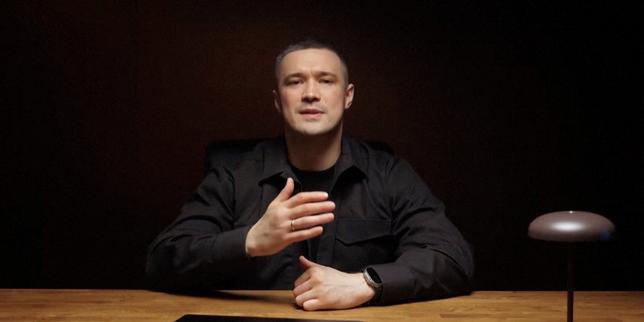
Fedorov's dramatic public address didn't happen in a vacuum. After being removed from his post as defense minister following high-profile clashes with military leadership, he didn't quietly exit stage left. Instead, he took to YouTube to argue that Ukraine is suffering from a systemic governance failure.
He pointed out a hard truth: martial law has suspended normal electoral cycles since early 2022, leaving citizens without a formal mechanism to hold leaders accountable. Fedorov's core argument is that democracy shouldn't be treated as a peacetime luxury that gets tossed aside. He warned that letting the war drag on without a democratic check gives outside forces—specifically Moscow—unilateral power to determine when Ukrainians can choose their government.
Corruption, Procurement, and Resistance to Change
Fedorov didn't pull punches when addressing internal friction within the government. During his brief tenure leading the defense ministry, he tried to overhaul military procurement and weed out inefficiencies. According to his public statements, those exact reforms made him powerful enemies.
He maintains that wartime corruption isn't just about stolen money; it directly limits the country's capacity to survive on the front lines. When millions of hryvnias or vital equipment purchases get bogged down by bureaucratic inertia, soldiers pay the price. Fedorov claims that the current system protects itself rather than serving the public, favoring personal loyalty over actual competence.
Can Wartime Elections Actually Work?
Critics of Fedorov's proposal argue that holding a national vote while missiles are falling and millions of citizens are displaced abroad is a logistical nightmare that could tear the country apart from the inside. Critics suggest that an election campaign would fracture national unity when complete focus is required to repel external attacks.
Fedorov counters that complexity doesn't mean impossibility. A viable framework would need to account for active military personnel, refugees scattered across Europe, and residents living under constant threat in frontline regions. While current laws explicitly ban elections under martial law, the public pressure sparked by Fedorov's dismissal has already triggered street protests and widespread debate.
Whether this political gamble secures his return to power or permanently sidelines him remains to be seen. What's clear is that the conversation around democratic accountability during prolonged conflicts has officially broken wide open. Watch how Kyiv responds to these domestic pressures in the coming weeks, because the outcome will shape the trajectory of the state long after the dust settles.