Western analysts are currently obsessed with a phantom. They look at Beijing’s recent diplomatic overtures and the rhetoric of their defense leadership and see a "strategic pivot toward caution." They see a superpower blinking. They are wrong.
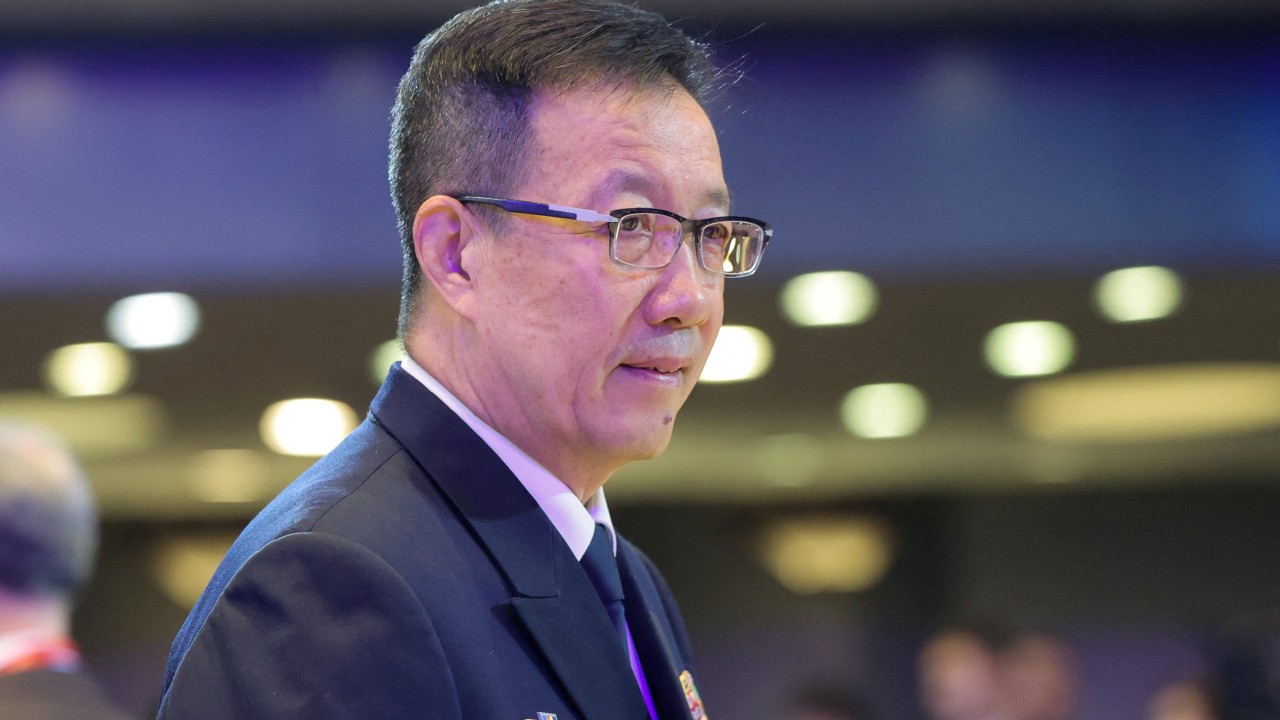
What the consensus calls "stability" is actually a sophisticated phase of structural digestion. When the Chinese defense chief signals a desire for a cooling of tensions, he isn't seeking a return to the status quo. He is buying the one commodity Beijing needs more than lithium or semiconductors: time.
The Misdiagnosis of Restraint
The prevailing narrative suggests that China’s domestic economic headwinds—the property market slump and demographic shifts—have forced a "new sobriety" in their foreign policy. This is a classic case of projecting Western electoral logic onto a Leninist system. In Washington, a bad GDP print leads to isolationism. In Beijing, it leads to a diversification of risk.
I have spent two decades watching these policy cycles. The mistake most observers make is treating "stability" as a goal. For the Central Military Commission, stability is a tool. It is a tactical pause designed to let the West’s internal political friction do the heavy lifting.
If you think China is backing down because of a few diplomatic smiles at a regional summit, you are ignoring the hardware. While the speeches talk about peace, the shipyards are churning out hulls at a rate the US Navy hasn't matched since 1945. You don't build a blue-water navy of that scale if your long-term plan is "caution."
The Logic of the Defensive Crouch
The term "strategic caution" implies fear. Let’s swap that for "asymmetric consolidation."
China is currently moving through a dangerous valley. They are transitioning from a growth model based on cheap labor and imitation to one based on "New Quality Productive Forces"—a fancy term for AI-driven manufacturing and quantum-resistant encryption.
During this transition, they are vulnerable.
A loud, aggressive posture right now would invite a level of Western decoupling that their domestic industry isn't ready to absorb. Therefore, the defense apparatus adopts a softer tone. They talk about "win-win cooperation" and "regional harmony."
The Real Numbers of the "Slowdown"
Let’s look at the data people love to misinterpret:
- Defense Spending: Even with a cooling economy, China’s official defense budget increased by 7.2% recently. That is a floor, not a ceiling.
- Dual-Use Infrastructure: In the last 24 months, the integration of civilian ports for military logistics has accelerated. This doesn't show up in "defense signaling," but it’s a better indicator of intent than a thousand speeches.
- The Semiconductor Gap: They are currently dumping billions into legacy chip production to ensure that if a conflict does happen, their low-end supply chains are bulletproof.
Stability is the mask. Preparation is the face.
People Also Ask: Is China Afraid of a Two-Front War?
The premise of this question is flawed. It assumes China views conflict through the lens of traditional territorial conquest. They aren't looking for a two-front war; they are looking to make the cost of Western intervention so high that the second front never opens.
The current "cautious" stance is a way to de-escalate the "Pacing Challenge" rhetoric in the US. If Beijing can convince the next US administration that they are "focused on domestic issues," they might slow the pace of AUKUS or the deployment of mid-range missiles in the First Island Chain.
It is a play for a lowered guard.
The Fallacy of the Economic Checkmate
There is a dangerous belief in boardrooms from London to New York that China is "too integrated to fight." This is the same logic used before 1914.
I’ve sat in rooms with people who manage billions in trade. They think the "stability" signaled by the defense chief means their supply chains are safe for the next decade. They are betting their companies on a misunderstanding of the word "security."
In the Chinese political vocabulary, Security ($安全$) now sits above Economy ($发展$).
When the defense chief speaks of stability, he means the security of the regime and its long-term objectives. He does not mean the stability of your quarterly earnings or the South China Sea shipping lanes. If those two things come into conflict, the economy will be sacrificed every single time.
Stop Reading the Speeches, Start Watching the Drills
While the headlines focus on "signals of caution," the actual military exercises have become more complex, more joint-service oriented, and more focused on "system-of-systems" warfare.
The People's Liberation Army (PLA) is practicing how to blind satellites and sever undersea cables. These are not the actions of a nation entering a period of strategic retreat.
Why the "Caution" Narrative is a Trap for Investors
If you are an executive or a policymaker, the "stability" narrative is a siren song. It encourages you to:
- Delay the diversification of your manufacturing base.
- Underinvest in cyber resilience.
- Assume that "tensions have peaked."
I have seen firms lose entire divisions because they believed a temporary diplomatic thaw was a permanent climate change. The current signaling from Beijing is a tactical adjustment to a hostile international environment. It is a re-arming period.
The Nuclear Nuance
One area where the "caution" argument falls apart completely is the nuclear expansion. China is rapidly expanding its silo count and diversifying its delivery systems.
$$E = mc^2$$ logic applies here: the more mass they have in their nuclear deterrent, the more energy they have to push their conventional goals without fear of Western escalation. You don't build a massive nuclear "shield" if your plan is to sit quietly behind it forever. You build it so you can use your "sword" elsewhere without being countered.
The Intelligence of Inaction
Sometimes, the most aggressive thing you can do is nothing.
By signaling stability, China allows the United States to focus on other distractions—Eastern Europe, the Middle East, and internal political polarization. Every day the US is preoccupied with a secondary theater is a day the PLA gets closer to achieving parity in the Western Pacific.
The "strategic caution" everyone is talking about is actually a masterclass in letting your opponent exhaust themselves. It is the military application of Wu Wei—action through inaction.
The Actionable Truth
If you are waiting for a clear "start" signal for the next phase of global tension, you’ve already missed it. The signals of stability are the noise. The structural preparation is the signal.
- Audit your dependencies now. Do not wait for the "cautiously stable" period to end. It will end abruptly.
- Ignore the Defense Minister's scripts. Look at the procurement orders for long-range munitions and amphibious lift capacity.
- Accept the downside. A truly contrarian view acknowledges that being right about this means higher costs in the short term. You will pay more to move your operations or secure your data. But you will be the only one standing when the "stability" facade cracks.
The Chinese defense chief isn't signaling a change of heart. He’s signaling that the trap is being set. Don't be the one who walks into it because you mistook a predator's stillness for its sleep.
The era of engagement is dead. The era of the "Stable Illusion" has begun.
Stop listening to what they say. Watch what they build.