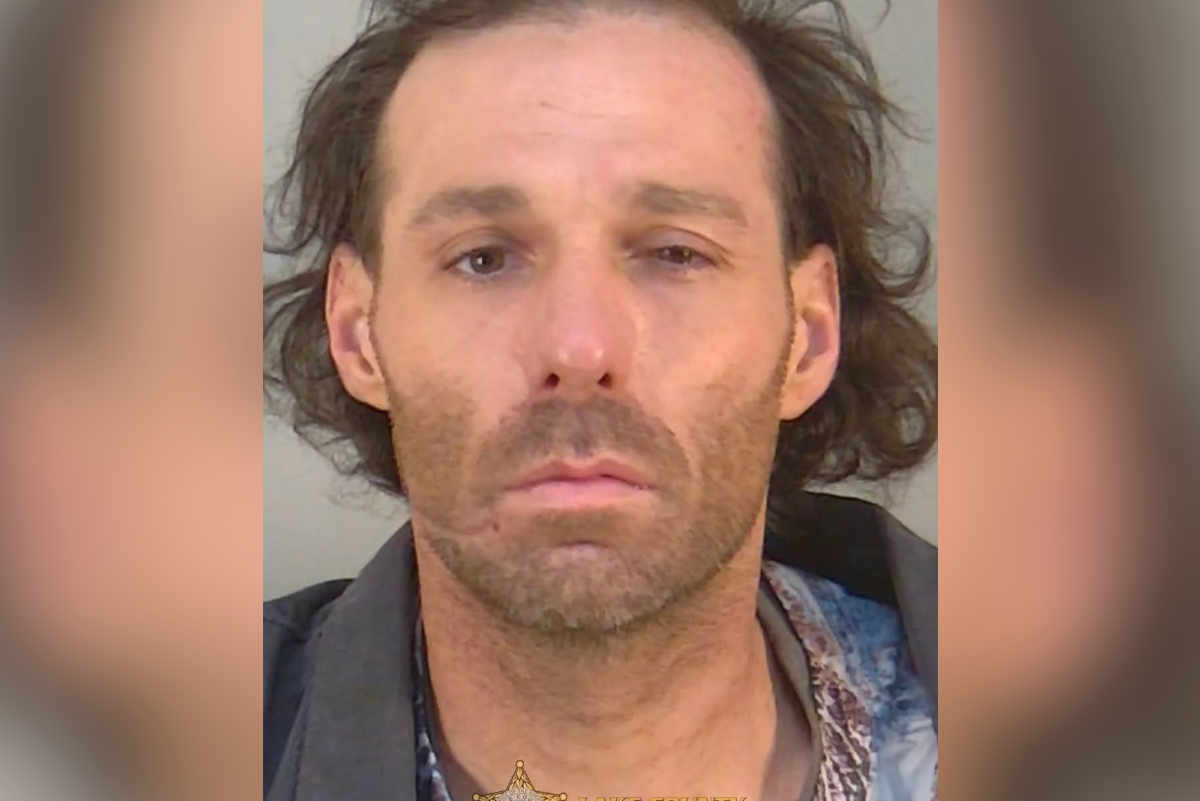
The headlines read like a tragic fluke. A Florida man sees a dog mauling a woman. He pulls his weapon, intends to save a life, and ends up killing the very person he was trying to protect. The media calls it a "botched rescue." The public calls it a tragedy. Both are wrong. This wasn't a fluke. It was the mathematical certainty of the "Good Guy With a Gun" fantasy meeting the messy, unscripted reality of ballistics and biology.
We have a fetish for the hero narrative. We believe that a permit and a holster transform an average citizen into a tactical surgeon. They don't. They transform a civilian into a high-stakes gambler who doesn't understand the house odds.
The Accuracy Fallacy
The "lazy consensus" suggests this man just needed more range time. That’s a lie. You can punch holes in paper targets until your fingers bleed, but that doesn't prepare you for a high-kinetic struggle between two living organisms.
In a laboratory or a controlled range, your heart rate is steady. In a parking lot where a dog is ripping into human flesh, your sympathetic nervous system takes over. Adrenaline dumps into your bloodstream. Your fine motor skills vanish. Your vision tunnels. This is where the "competence gap" becomes fatal.
Professional law enforcement officers—people who train for these specific high-stress encounters—have hit rates that hover around 30% in actual gunfights. That is with institutional training and regular qualification. Now, take a civilian with a concealed carry permit and put them in a chaotic, three-dimensional scuffle involving a moving animal and a thrashing victim. The idea that they can "thread the needle" is a dangerous delusion.
The shooter in Florida didn't fail because he was "bad." He failed because the task he attempted is statistically impossible for almost anyone not operating at a Tier 1 special forces level. He was playing a game he couldn't win, and the pet owner paid the entry fee.
Ballistics Don't Care About Your Intentions
When you fire a round, you are responsible for every inch of its travel until it comes to a complete stop. This isn't a movie where the bullet disappears into the "bad guy" and the scene ends.
In the Florida incident, we see the brutal reality of over-penetration or a simple miss in a crowd. A 9mm round can travel through a target and still possess enough kinetic energy to kill a bystander blocks away. When you are shooting at a dog—a low-profile, fast-moving target—your backstop is almost always the ground or, worse, the person the dog is currently attached to.
If you are standing five feet away and the dog is on top of the victim, the victim is your backstop.
People ask: "What was he supposed to do? Just watch?"
That is the wrong question. The right question is: "Why do we prioritize the immediate application of lethal force over every other viable intervention?"
The Tool Dictates the Solution
There is an old saying: "To a hammer, everything looks like a nail." To a man with a Glock, every crisis looks like a target.
By carrying a firearm as a primary response tool, you bypass the entire spectrum of force. In the Florida case, the presence of the gun narrowed the man’s cognitive options. He didn't look for a heavy object, he didn't attempt a physical intervention, and he didn't use a less-lethal deterrent. He went straight to the ultimate "fix."
Lethal force is binary. It is on or off. There is no "shooting to wound." There is no "warning shot" that doesn't carry the risk of killing an innocent person. When you introduce a firearm into a chaotic situation involving non-combatants, you have increased the lethality of the environment by 1000% before you even pull the trigger.
The "status quo" tells us that more guns in more hands make us safer. The data from these "accidental" killings tells a different story. It tells us that we are arming people with the power of life and death without giving them the discernment to know when not to use it.
The Liability of the Bystander Hero
I have seen people ruin their lives in seconds because they wanted to be the protagonist in a story they didn't understand. If you intervene with a firearm and you miss—or even if you hit and the bullet over-penetrates—you are no longer a savior. You are a defendant.
The legal system in Florida is famously "pro-gun," but even the most lenient prosecutor has a hard time ignoring a dead innocent. The "Good Samaritan" defense has limits. It doesn't cover gross negligence. It doesn't cover a fundamental lack of situational awareness.
We need to stop praising the impulse to shoot and start questioning the wisdom of the shooter.
- Physical Intervention: If you aren't willing to get your hands dirty, don't pull a trigger.
- Environmental Tools: A fire extinguisher, a heavy stick, or even a vehicle can be more effective at stopping a dog attack than a projectile moving at 1,200 feet per second.
- The Hard Truth: Sometimes, the safest thing for the most people is for you to stay out of it if you aren't 100% certain of the outcome.
The Fantasy is the Poison
The competitor articles on this topic focus on the "tragedy" of the mistake. They treat it like a car accident. It’s not. It’s a systemic failure of the American self-defense culture.
We have sold a generation of people on the idea that they are the thin line between order and chaos. We've told them that the gun is a magic wand that solves problems. We haven't told them that the gun is a liability that requires a level of poise and precision that 99% of the population does not possess under pressure.
This Florida man thought he was the hero. He thought he was doing the "right thing." But "right" is measured in results, not intentions. The result is a dead woman and a shattered community.
We don't need more "good guys" with guns. We need more people who understand that carrying a weapon is a burden of restraint, not an invitation to play commando.
Stop looking for a target and start looking at the background. If you can't guarantee where that piece of lead is going to stop, keep it in the holster. Your "heroism" is a threat to everyone around you.
Put the gun away unless the threat is a direct, clear, and unavoidable path to your own certain death. Anything else is just ego dressed up as civic duty.