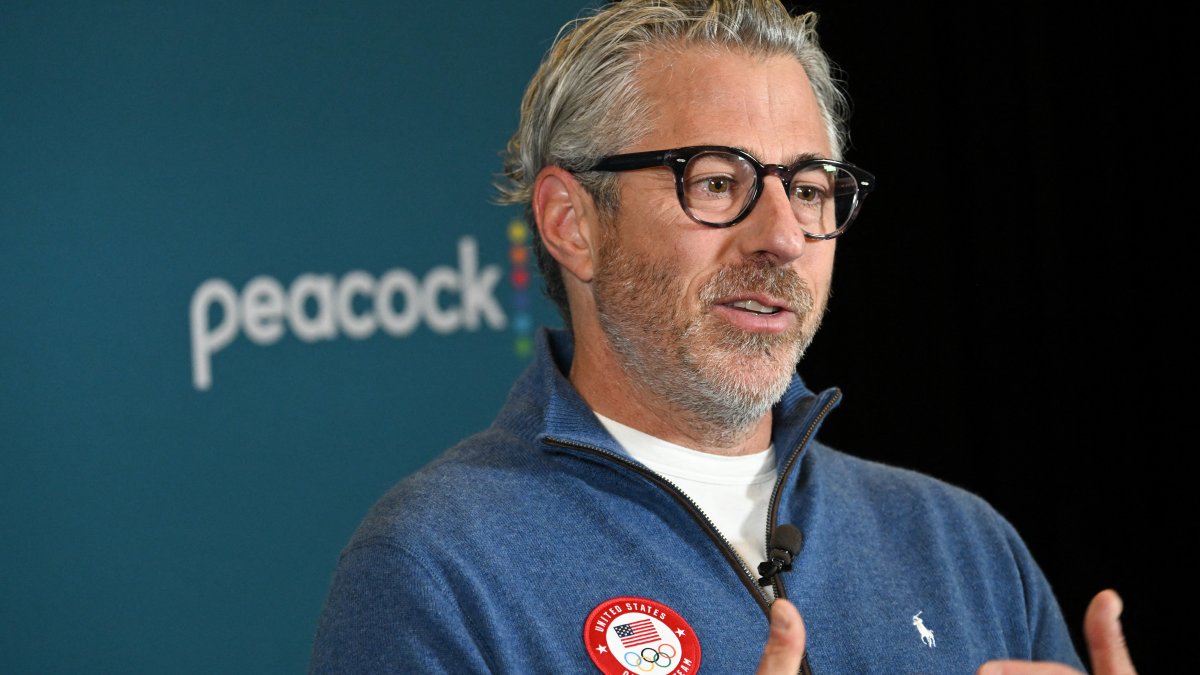
The media loves a predictable moral arc. Casey Wasserman gets linked to the Jeffrey Epstein archives, the public recoils, and suddenly, the "imminent sale" of his namesake agency is framed as a desperate retreat of a shamed mogul. It is a neat, tidy narrative that satisfies the urge for cosmic justice. It is also fundamentally wrong.
If you believe Casey Wasserman is selling because of a moral reckoning or "fallout," you don't understand how the agency business works. You are looking at a chess board and complaining about the color of the pieces while the grandmaster is busy liquidating the table.
Wasserman isn't running from a scandal; he is timing a peak. In the shark tank of talent representation, a scandal isn't always a liability—it's a catalyst to trigger an exit that was already overdue.
The Illusion of the Ethical Exit
The prevailing chatter suggests that the Epstein connection made Wasserman "untouchable," forcing his hand to sell the firm to protect its athletes and entertainers. This is a naive misunderstanding of the sports and entertainment ecosystem.
In this world, "untouchable" doesn't exist if you control the rights to the bodies on the field and the faces on the screen. Brands don't flee a talent agency because the founder had dinner with a monster ten years ago; they flee when the talent leaves. As long as the roster stays put, the revenue stays put.
Wasserman is one of the most calculated operators in the game. He survived the collapse of the Arena Football League. He spearheaded the Los Angeles 2028 Olympic bid. He has spent two decades consolidating power. You don't build that kind of empire by panicking over a news cycle.
The sale isn't an admission of guilt. It is a masterclass in Crisis Liquidity.
Why the "Fallout" is a Financial smokescreen
Market cycles in the agency space are brutal. We are currently seeing a massive consolidation phase where private equity is overpaying for "legacy" representation firms. Silver Lake’s moves with Endeavor and the constant churning at CAA prove that the endgame for any founder-led agency is a massive nine-to-ten-figure payday from a firm that values "content ecosystems" over actual human relationships.
Wasserman knows the following truths that the "moral fallout" crowd ignores:
- The Multiples are Peak: Agency valuations are at a historical high-water mark. Waiting three years to "let the dust settle" could cost him $200 million in enterprise value if the economy softens.
- The 2028 Olympic Factor: As the Chairman of LA28, Casey is under a microscope that no other executive faces. By offloading the agency now, he removes the "conflict of interest" tag while the iron is hottest, effectively cashing out before the actual hard work of the Olympics begins.
- The Epstein Tag is a Negotiating Tool: In a weird twist of corporate theater, the "scandal" allows him to move quickly under the guise of "streamlining" or "stepping back," while his legal and financial teams use the noise to mask the real reason: the business has hit its ceiling.
The Boredom of the Billionaire
I have seen this movie before. A founder spends twenty years building a monolith, hits a certain age, realizes the daily grind of coddling 22-year-old NBA rookies and temperamental actors is exhausting, and looks for the door.
The Epstein headlines didn't create the desire to sell; they provided the narrative cover.
If Wasserman tried to sell his agency in a vacuum, the industry would ask: "What's wrong with the books? Is the talent leaving? Is the model broken?"
By selling now, he lets the public believe he’s being "forced" out. It’s a genius move. He gets to play the martyr to his shareholders while laughing all the way to the bank with a valuation that likely ignores the noise and focuses on the EBITDA.
The Problem with "People Also Ask"
The common queries surrounding this move are fundamentally flawed because they assume a level of corporate morality that simply does not exist in the top tier of talent management.
- "Will athletes leave Wasserman?" No. Athletes care about two things: their commission percentage and the size of their next contract. Unless Casey was personally stealing from their escrow accounts, they aren't going anywhere.
- "Who would buy a tarnished brand?" Everyone. Private equity firms don't have feelings. They buy cash flows. If the Wasserman agency generates $150 million in free cash flow, a buyer will pay a 12x multiple for it regardless of who the founder had on his flight manifest in 2011. They will just rebrand it "W-Sports" or "Global Talent Partners" and move on.
The Strategy of the Pivot
The real story isn't the exit; it’s the re-entry.
When a man like Casey Wasserman sells, he isn't retiring to a beach in Malibu. He is clearing the deck for a different kind of power. Representation is a "service" business. It’s messy. It’s labor-intensive. It requires dealing with agents who want to jump ship every six months.
The "next level" is ownership.
By liquidating the agency, Wasserman moves from being the guy who represents the players to the guy who owns the league or the stadium. The capital influx from this sale allows him to move up the food chain. The Epstein fallout didn't ruin his career; it accelerated his transition from a "service provider" to a "power broker."
The Counter-Intuitive Truth
Most people think you sell when things are going well. Professional insiders know you sell when the perception of your value is still high, but the hassle of maintaining that value is becoming untenable.
Wasserman has reached the point of diminishing returns. The agency has acquired everything it can reasonably swallow without attracting antitrust scrutiny. The growth is slowing. The Olympics are a distraction. The scandal is a convenient exit ramp.
- Risk: If he stays, the Epstein story drags on and potentially impacts the Olympic sponsorships.
- Reward: If he sells, he cashes out at the peak, the buyers deal with the PR cleanup, and he walks away with a billion-dollar war chest.
This isn't a fall from grace. It's a strategic extraction.
Stop Looking for a Moral
If you're waiting for the "downfall," you're going to be disappointed. In the high-stakes world of sports business, there are no villains or heroes—only those with liquidity and those without it.
Casey Wasserman is about to have more liquidity than almost anyone else in the room. He isn't losing. He’s winning the game by changing the rules while you're still busy reading the headlines.
The "scandal" didn't break him. It set him free.
Don't buy the "fallout" narrative. It’s the cheapest product on the market. Watch the money instead. The money says he’s getting exactly what he wanted, right when he wanted it.
Stop asking if he’s "guilty" of bad associations. Start asking what he’s going to buy with the proceeds. That is where the real disruption begins.
The agency model is dying, and the smartest man in the room just found the most lucrative way to burn the house down and collect the insurance.