The coffee in the mug on the bridge of the tanker is stone cold. It has been cold for three hours because the third officer has not dared look away from the radar screen long enough to microwave it.
Outside the tinted glass of the wheelhouse, the night is pitch black, thick with the heavy humidity of the Persian Gulf. But the screen tells a different story. It is alive with crimson geometry. Dozens of commercial vessels creep through a maritime bottleneck that feels less like open ocean and more like the eye of a needle. At its narrowest point, the shipping lanes are barely two miles wide, flanked by the steep, jagged mountains of Iran on one side and the low-lying sands of Oman on the other. Meanwhile, you can explore similar stories here: The Architecture of Gulf Deterrence A Structural Analysis of Bilateral Defense Alignment.
This is the Strait of Hormuz.
Most people never think about it. They pour gasoline into their sedans or turn up their thermostats in January without a fleeting second thought for a patch of water thousands of miles away. Yet, roughly a fifth of the world’s petroleum passes through this watery throat. Every single day, supertankers loaded with millions of barrels of crude heave themselves through these twenty-one miles of geopolitical friction. To understand the complete picture, we recommend the excellent analysis by The Washington Post.
Right now, the tension in the air is heavy enough to taste.
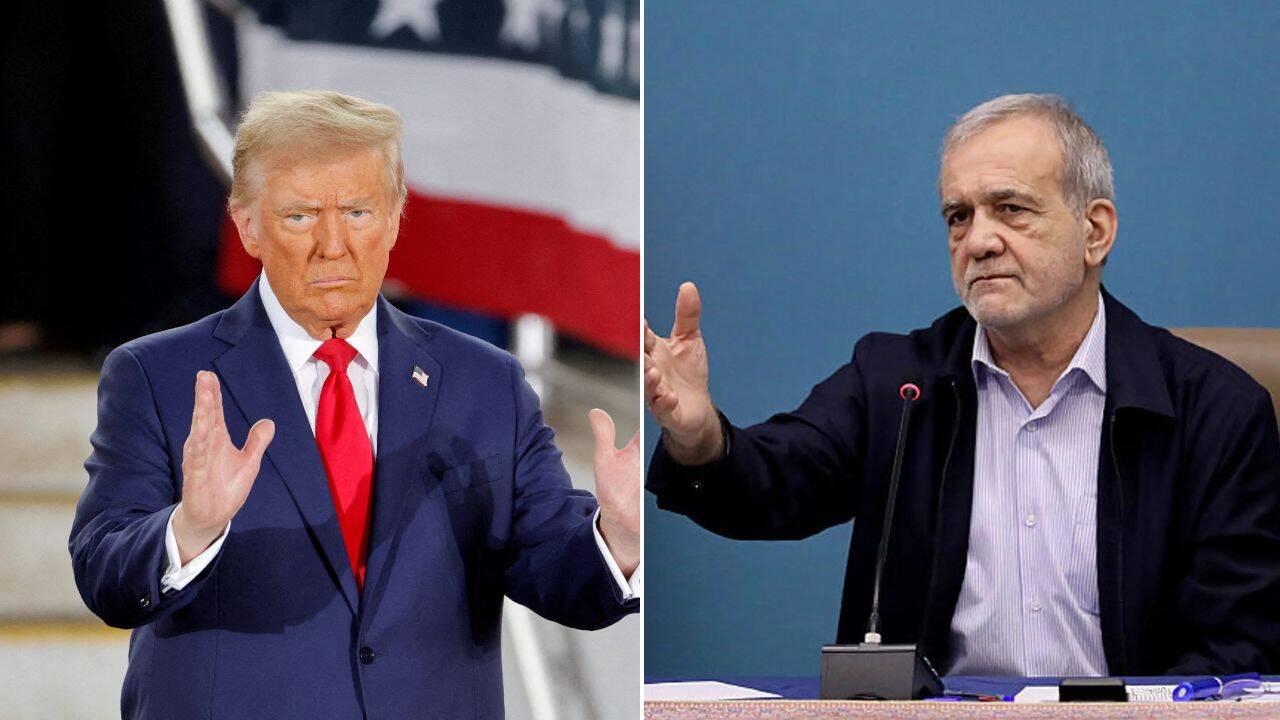
Consider what happens when diplomacy breaks down. The standoff between Washington and Tehran is not just a cable news chyron or a diplomatic stalemate played out in the austere halls of the United Nations. It is a physical, grinding reality felt by the men and women standing watch on these steel leviathans. It is measured in the sweat beading on a sailor’s forehead, the silent hum of encrypted radio frequencies, and the calculated proximity of fast-attack craft skimming across the dark swells.
Iran wants respect, economic survival, and the undisputed regional leverage that controlling this gate affords them. The United States and its allies want free flow, open commerce, and the security of global energy lines that refuse to be held hostage. Between these two irreconcilable desires lies a strip of water so vital that a single miscalculated rudder adjustment or an accidental collision between a patrol boat and a cargo ship could trigger a global economic shockwave.
To understand why this matters, you have to look past the political posturing and into the engine room of the global economy.
Imagine waking up tomorrow to headlines declaring the strait officially closed. Mines in the water. Radio warnings crackling across VHF channel sixteen. Insurance rates for maritime cargo instantly spiking by astronomical percentages. Within forty-eight hours, supertankers drop anchor, refusing to move. They mill about in the Gulf of Oman, massive floating islands of fuel with nowhere to go.
The disruption cascades outward like a dropped stone in a still pond.
Refineries in Asia, starved of crude feedstock, begin to throttle down operations. Plastics manufacturers in Europe find themselves unable to source raw materials. Within a week, crude oil futures surge past historic highs at lightning speed. At the corner gas station down the street from your house, the numbers on the large plastic sign begin ticking upward daily. Diesel prices follow, choking the supply chains that deliver groceries to supermarkets, packages to doorsteps, and medicine to hospitals. The price of everything rises because everything depends on energy, and energy depends on this narrow trench of sea.
It sounds alarmist. It is not. It is simply math combined with geography.
During previous flare-ups, I remember talking to a veteran marine insurance broker in London who stared at his computer screens with a weary exhaustion. He did not care about the ideological rhetoric shouted from podiums. He cared about risk models. He explained it to me with brutal simplicity: when uncertainty goes up, ships stop moving. And when ships stop moving, modern civilization stutters.
So, what does it actually take to reopen this waterway if the worst-case scenario unfolds?
The answer is terrifyingly complex. It is not simply a matter of sending a fleet of warships to clear a path, though military might is part of the equation. Reopening the Strait of Hormuz requires an intricate choreography of mine-sweeping operations, diplomatic backchannels, intelligence sharing, and immense nerve.
First come the mines. Iran possesses a vast inventory of naval mines, ranging from crude, anchored contact explosives to sophisticated acoustic and magnetic triggers that lie silently on the seabed, waiting for the distinct signature of a propeller. Clearing them is agonizingly slow work. Specialized minehunter vessels must creep forward at walking speeds, deploying sonar and remote-controlled submersibles to map and neutralize every suspicious object. You cannot rush mine clearance. One mistake turns a multi-million-dollar warship and its crew into shrapnel.
Simultaneously, naval escorts must establish secure corridors. Coalition forces—often a coalition of the willing cobbled together from nations whose economies depend entirely on Gulf oil—must escort commercial tankers step-by-step through the gauntlet. This means armed frigates flanking slow-moving oil carriers, ready to intercept hostile drones or swarm boats within seconds.
Yet, military force alone cannot solve a political crisis. The physical clearing of the waterway is only half the battle. The psychological barrier remains long after the physical mines are gone. Ship captains and shipping conglomerates will not risk multi-million-dollar vessels and human lives based on a politician's promise that it is safe now. They demand ironclad insurance guarantees, real-time intelligence feeds, and absolute confidence that the fragile truce will hold.
Reopening the strait requires an architecture of trust built entirely out of distrust. It requires quiet communications between adversaries who refuse to speak publicly. It requires face-saving measures that allow regional powers to step back from the brink without appearing weak to their domestic audiences.
Back on the bridge of the tanker, the third officer finally takes a sip of his cold coffee. He doesn't know about the high-level diplomatic cables moving between capitals. He doesn't know the specifics of naval contingency plans being drawn up in air-conditioned command centers thousands of miles away.
He only knows the radar. He only knows the dark water.
He watches a small, unlit contact detach from the Iranian coastline and begin moving across the sector. His hand hovers over the internal telephone to alert the captain. The engine hums a low, vibrating rhythm beneath his boots, a heartbeat driving tons of steel through the narrowest passage on Earth, carrying the weight of the entire world on a fragile, invisible thread.


