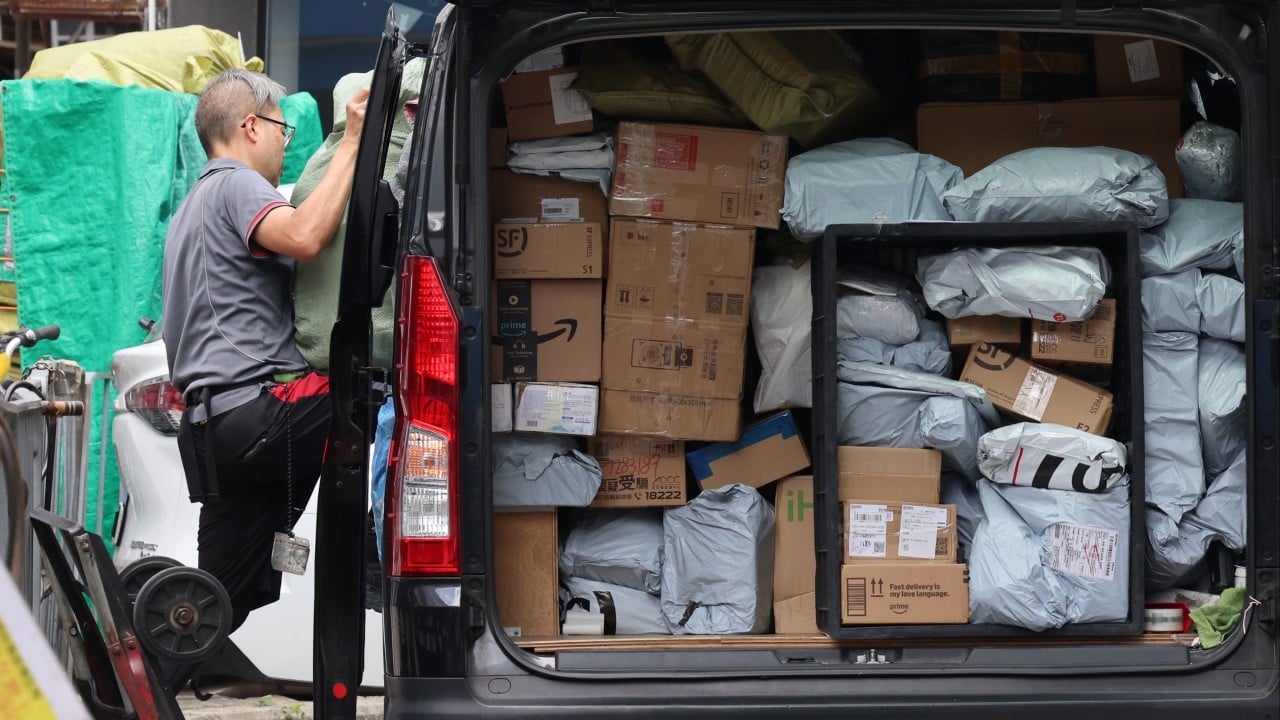
Walk into any shipping depot or corporate logistics hub in Hong Kong, and you used to see the same glaring issue. Mountains of cardboard, yards of bubble wrap, and layers of single-use plastic film wrapping everyday goods. It was convenient for shipping, but terrible for the environment. That script is finally flipping. Nearly 150 local and multinational firms across the city have collectively slashed packaging waste by an astonishing amount, cutting materials equivalent to the sheer weight of 900 double-decker buses.
Corporate sustainability initiatives usually attract a lot of eye rolls. Most programs look great in annual reports but fail to change daily operations. This push is different. Driven by the Environmental Protection Department’s Packaging Reduction Charter, businesses are rethinking how products move from warehouses to front doors without sacrificing safety or efficiency.
The Reality Behind the Numbers
Cutting thousands of tons of packaging isn't just about feeling good. It changes the bottom line. When logistics giants like SF Express and major retailers trim excess layers off parcels, shipping weights drop. Lower weights mean cheaper fuel costs and less warehouse clutter.
Most people assume sustainable packaging requires expensive, exotic biomaterials. The companies succeeding in Hong Kong are doing the exact opposite. They are using less material overall. They swap oversized boxes for fitted mailers, eliminate secondary cardboard layers, and redesign tape layouts to hold packages securely with a fraction of the adhesive.
If you run a business, you know that customers complain when boxes arrive damaged. That fear historically drove companies to overpack. What these firms discovered is that smart engineering beats brute-force cushioning every single time.
Moving Past Greenwashing
Corporate pledges often sound hollow because they lack teeth. The Packaging Reduction Charter works because it sets concrete benchmarks. Participating companies don't just promise to try harder; they report tangible metric reductions in material volume.
Consider how supply chains operate in a dense urban center like Hong Kong. Space is intensely tight. Landfill capacity is running low, and disposal costs hit commercial operators directly. When disposal fees climb, waste reduction stops being an altruistic PR checkbox and becomes a financial necessity.
The firms leading this charge share a few operational traits:
- They audit box sizes quarterly to match inventory dimensions precisely.
- They train packing staff to minimize void fill instead of relying on default air pillows.
- They work directly with manufacturers to receive goods pre-packaged for direct-to-consumer delivery.
What Smaller Businesses Can Learn
You don't need a massive logistics network to stop wasting materials. Most independent e-commerce shops make the mistake of buying one standard box size for every product. That forces them to fill 60% of the interior volume with crumpled paper or plastic peanuts.
Switching to adjustable-depth cartons or mailer bags cuts material costs instantly. Customers also notice. Shoppers are tired of breaking down giant cardboard boxes for a tiny item ordered online. Streamlined packaging feels modern and respectful of their time.
The shift happening across Hong Kong proves that commercial waste reduction isn't a pipe dream. It requires a hard look at daily habits and a willingness to drop outdated packaging habits. Start by auditing your current shipping supplies this week. Measure your empty space, check your void fill usage, and see how much material you can cut before the month ends.