The floorboards in an old New York walk-up have a language of their own. They groan under the weight of a midnight snack; they pop when the radiator hisses to life; they telegraph the rhythmic pacing of the person living above you. In Greenwich Village, you learn to tune out the symphony of urban density. You assume the man in 4B is just like you—tired, overtaxed by rent, and perhaps a little lonely. You don't assume he is sitting in the dark, surrounded by enough raw explosive power to level the city block.
We live in a world of thin veneers. We trust the drywall. We trust that the person sharing our zip code isn't meticulously assembling a catastrophe while we watch Netflix. But for the residents of one West 10th Street apartment building, that thin veneer didn't just crack. It shattered.
The facts of the case are chilling in their clinical simplicity. When authorities entered the residence of 34-year-old Morgan Gliedman and her partner, they weren't looking for a war zone. They found a museum of mayhem. Two dozen improvised explosive devices. High-grade chemicals. Detonators. A tactical manual on how to sow discord.
The Chemistry of a Secret
Imagine the smell of an apartment like that. It isn't the smell of garbage or neglect. It is sharp. Acrid. It’s the scent of ammonium nitrate and fuel oil, a metallic tang that clings to the back of the throat.
Inside those four walls, the mundane was weaponized. A kitchen table wasn't for coffee; it was a laboratory bench. A closet wasn't for winter coats; it was a magazine for black powder and pipe bombs. Every morning, neighbors walked past that door. They carried groceries. They walked dogs. They argued about laundry. All the while, just inches away, a volatile collection of "crater makers" sat in the stillness, sensitive to heat, friction, or a stray spark.
One wrong move. One dropped cigarette. One electrical short in a faulty 1920s outlet.
The danger of an amateur bomb-maker isn't just their intent. It is their incompetence. Professional explosives are stabilized, handled with extreme protocols, and stored in reinforced bunkers. The devices found in that apartment were the opposite. They were erratic. They were "sweating"—a term used when nitroglycerin-based compounds become unstable and leak from their casing.
They were waiting to scream.
The Daughter of Privilege
The most haunting part of the story isn't the gunpowder. It’s the pedigree.
Morgan Gliedman wasn't a nameless drifter or a stereotypical hermit. She was the daughter of a prominent Manhattan surgeon. She had been a student at elite private schools. This wasn't a story of someone who had nothing; it was a story of someone who had everything and chose to trade it for the hollow thrill of potential destruction.
This is where the narrative shifts from a police blotter to a psychological tragedy. We want to believe that danger has a specific face—that it looks ragged, desperate, or foreign. We want to believe that "people like us" don't turn their bathrooms into bomb factories. But the reality is that the most dangerous neighbors are often the ones who know how to blend in.
They know how to look you in the eye in the hallway. They know how to say "good morning" while their fingernails are still stained with sulfur.
The sheer volume of the haul was staggering. Police recovered over 25 devices. Some were small, designed for distraction. Others were designed for the sole purpose of ending lives. There is a specific kind of coldness required to sit in a room with twenty-five separate ways to kill and still find the will to build a twenty-sixth.
The Invisible Stakes of Urban Living
When we talk about "public safety," we usually think of grand gestures. We think of airport security lines, police patrols, and high-tech surveillance. We rarely think about the person on the other side of the wall.
Consider the physics of a confined explosion. In a narrow New York street, the buildings act as a canyon. The pressure wave of a single pipe bomb can shatter windows for a hundred yards. Twenty-five devices going off in a chain reaction would have turned that historic brownstone into a vertical tomb of brick and glass. The fire would have leaped across the narrow alleyways before the first siren even cleared the station.
The residents were living on top of a landmine they couldn't see.
Why do we do it? Why does a human being collect the ingredients for an ending? Perhaps it’s the ultimate form of control. In a city that makes you feel small, holding the power to make it stop is a dark, intoxicating drug. It is the ego expanded to the size of a blast radius.
The Silent Aftermath
When the bomb squad finally cleared the building, the physical danger evaporated. The chemicals were neutralized. The detonators were rendered inert. But the psychological shrapnel remains.
You don't walk back into your home the same way after you find out your neighbor was a ghost. You listen more closely to the thuds through the ceiling. You wonder what’s in the heavy boxes being delivered to 3C. You realize that the social contract—the unspoken agreement that we won't harm one another—is remarkably fragile. It’s a piece of paper held up against a hurricane.
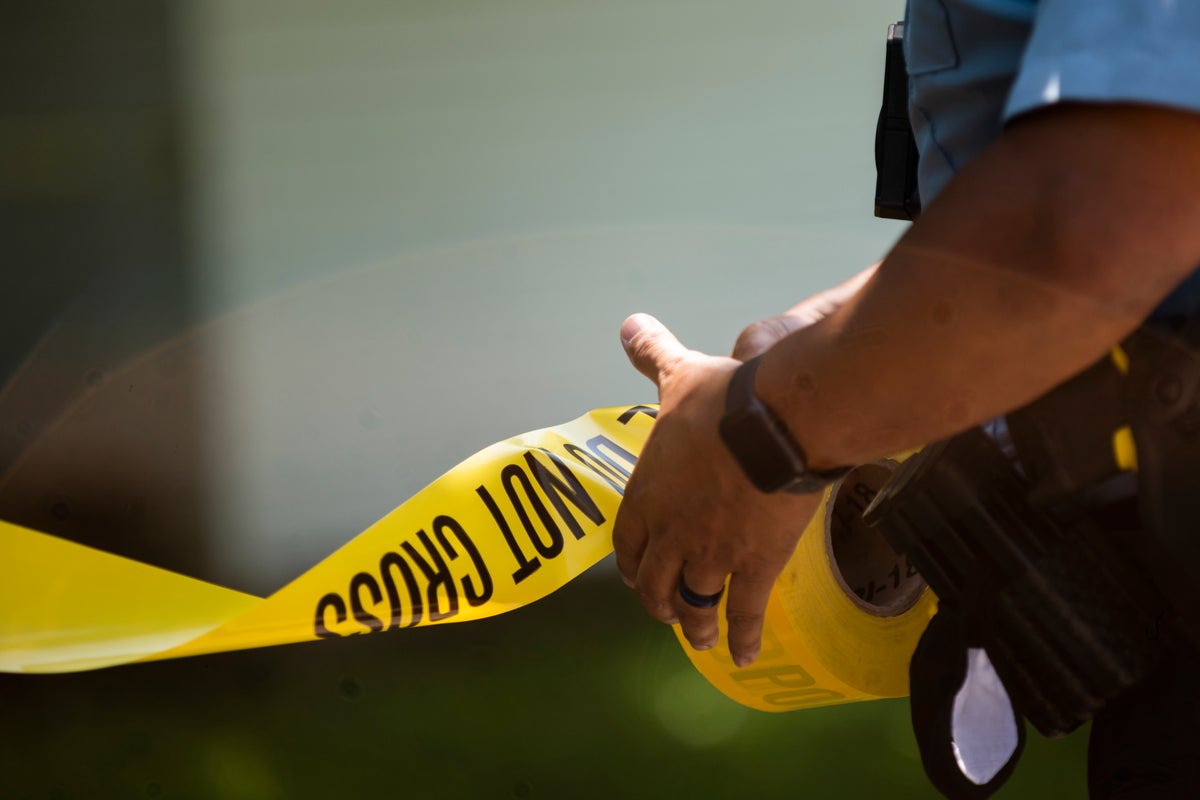
The city moved on, as New York always does. The yellow tape was torn down. The sirens faded into the ambient hum of the FDR Drive. But for a few dozen people on West 10th Street, the silence of their building is no longer peaceful. It is a reminder of the thunder that almost was.
They live now with the knowledge that the most terrifying things in this world aren't the monsters under the bed, but the ordinary man in the hallway who has mastered the art of the hidden fuse.