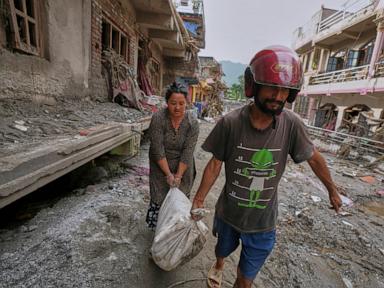
Rescue operations along the rugged Nepal-China border hit a brick wall as heavy downpours grounded aircraft on the fourth day of emergency response. A glacier collapse high in the Himalayas triggered massive flash floods earlier in the week, leaving behind a trail of devastation that has claimed hundreds of lives. Military personnel and local volunteers are digging through thick, concrete-like layers of mud, but volatile weather is making an already impossible job even harder.
If you are following the crisis, the sheer scale of the disaster is staggering. Official figures place the death toll past 600 in Nepal alone, with thousands more listed as missing on both sides of the frontier. Foreign nationals working, trekking, or traveling through the region account for a significant portion of those unaccounted for.
The Battle Against Thick Mud and Grounded Choppers
Helicopters are the lifeline of any high-altitude Himalayan rescue. When the skies clear briefly, pilots manage to ferry supplies and pull survivors out of danger zones. But Nepali Army spokesperson Brigadier General Raja Ram Basnet confirmed that poor visibility and relentless rain forced crews to suspend air operations repeatedly.
On the ground, teams face physical barriers that machines struggle to clear. At the Upper Trishuli-1 Hydropower Project construction site in Nepal's Rasuwa district, authorities believe more than 100 people are trapped inside a mud-choked tunnel. Rescuers have had to rely on basic ropes and baskets because layers of debris reach up to five feet deep.
Heavy equipment cannot reach many of the worst-hit areas because mountain roads were completely washed out by the initial surge. Rescuers are forced to hike in on foot, navigating unstable terrain while watching the skies for fresh storm warnings.
The Threat From Above
The danger isn't over just because the initial floodwaters receded. A secondary crisis formed high in the mountains when debris blocked natural drainage paths, creating a volatile barrier lake.
Chinese monitoring data showed the lake swelling dangerously before dropping recently, but the threat of a secondary dam burst keeps emergency teams on high alert. Authorities have ordered temporary evacuations for rescue crews working near riverbeds whenever water levels fluctuate. A sudden release of that trapped water would wipe out the remaining infrastructure and trap anyone still working in the valleys.
Cross-Border Coordination Struggles
Coordinating a disaster response across the Himalayan frontier is notoriously complex. The Gyirong border crossing on the Chinese side suffered severe structural damage, isolating communities and cutting off standard communication lines.
China deployed specialized emergency teams carrying life-saving and demolition equipment to the Tibet side, while Nepal reversed initial restrictions to allow international expert teams to assist. Aid trucks are pushing hard from Kathmandu along damaged highways to bring food, temporary shelters, and medical kits to relief centers set up in districts like Nuwakot.
Families gather daily outside these relief centers, staring at handwritten lists posted on walls. They search desperately for names of loved ones, holding onto small threads of hope as the rescue window narrows. Check local disaster management updates or coordinate with established international aid organizations if you are looking to support relief efforts on the ground.


