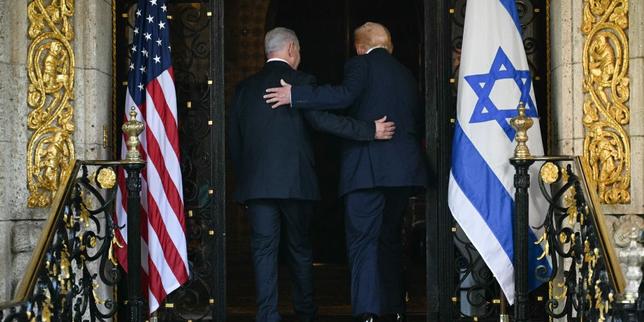
The conventional wisdom in foreign policy circles is lazy. Every cycle, political analysts reach for the same tired script. They look at Benjamin Netanyahu standing next to an American president, shake their heads, and declare that the entire Israeli political theater is just a stage-managed PR stunt designed to siphon votes from the right. The lazy consensus says that Netanyahu survives solely on the oxygen of photo-ops with Washington heavyweights, treating domestic elections as a referendum on his foreign patronage.
It is a comfortable narrative for pundits sitting thousands of miles away. It requires zero understanding of local dynamics, zero appreciation for structural demographic shifts, and zero historical context. It is also completely wrong. If you enjoyed this post, you should look at: this related article.
Netanyahu does not need Donald Trump to win elections. In fact, relying on external validation is a rookie mistake in Israeli politics, and whatever else Benjamin Netanyahu might be, he is no rookie.
Let us dismantle the core myth. The narrative implies that the Israeli electorate suffers from a colonial mindset, waiting for approval from the Oval State or Mar-a-Lago before casting a ballot. That underestimates the sophistication of the voter base and misreads Netanyahu's actual power base. For decades, his brand has not been about being America's best friend. It has been about being the only leader willing to say no to America when national security demands it. For another perspective on this event, check out the recent coverage from Reuters.
Think back to the Iran nuclear deal friction or the tense years of the Obama administration. Netanyahu made a career out of publicly defying a sitting U.S. president in front of a joint session of Congress. Did that hurt him at the polls? It turbocharged his base. The Israeli right does not reward subservience; it rewards defiance. When pundits frame a joint appearance as a desperate bid for legitimacy, they miss the inversion. Netanyahu uses these moments not to borrow strength, but to project an image of an indispensable statesman who operates on equal footing with global superpowers.
The obsession with foreign interference overlooks the domestic mechanics of Israeli coalition politics. Elections here are not won by convincing the undecided moderate in a swing suburb with an American flag pin. They are won in the trenches of hyper-fractionalized tribal politics. Ultra-Orthodox parties care about draft exemptions and education budgets. Religious Zionist factions care about settlement expansion and judicial reform. Working-class traditionalists in peripheral towns care about the cost of living and personal security. None of these demographics change their vote because a former American president tweets a compliment or invites a candidate for a quick handshake.
To understand why Netanyahu endures, you have to look at the structural failure of his opponents. The center-left opposition chronically suffers from tactical myopia. They spend millions trying to brand Netanyahu as a global pariah while ignoring the economic and security anxieties of the average voter outside of Tel Aviv. They offer a platform of polite technocracy in a neighborhood that requires ruthless pragmatism. When your entire electoral strategy boils down to hoping foreign leaders will shun your opponent, you have already lost the argument.
There is a downside to this dominance, and intellectual honesty demands acknowledging it. By making himself the singular axis around which Israeli politics spins, Netanyahu has hollowed out institutional succession planning within his own party. The Likud party resembles a crater where towering oaks refuse to grow in the shadow of the banyan tree. When the political endgame finally arrives, the shock to the system will be profound because no bench has been built. That is the vulnerability his critics should be talking about, instead of chasing the phantom of foreign photo-ops.
The obsession with staged proximity to American power tells us more about the psychological projection of foreign journalists than it does about Israeli voters. Nobody is pulling a lever because of who is standing in the background of a press conference. They are voting based on who they trust to keep the lights on and the borders secure when the region catches fire.
Stop buying the caricature. Netanyahu survives because he understands the DNA of his electorate better than anyone else in the room. The rest is just noise.


