The World Health Organization just triggered its highest alarm. On May 17, 2026, WHO Director-General Tedros Adhanom Ghebreyesus officially declared the Ebola outbreak in the Democratic Republic of the Congo and Uganda a Public Health Emergency of International Concern.
If that sounds like bureaucratic jargon, let me translate it for you. It means the global health community is terrified. Africa CDC chief Dr. Jean Kaseya went on the record admitting he is in full "panic mode."
This isn't just another routine flare-up in a region used to dealing with viral threats. We're looking at an incredibly dangerous dynamic. The outbreak centers on a rare variant called the Bundibugyo virus. It's spreading silently in a conflict zone, it has already jumped across borders into major cities, and health workers don't have the medical tools that saved lives during recent epidemics.
Here's the reality of what's happening on the ground and why the standard playbook won't work this time.
The Zero Vaccine Problem
When most people hear about Ebola today, they think of the highly effective vaccines and monoclonal antibody treatments that turned the tide in recent years. We got comfortable.
But those medical miracles were developed specifically for the Zaire strain of the virus. The current nightmare unfolding in the DRC’s eastern Ituri Province is driven by the Bundibugyo strain.
There are zero approved vaccines for the Bundibugyo virus. There are zero approved specific therapeutics.
Controlling an Ebola outbreak usually relies on a tactic called ring vaccination, where teams immunize every contact of an infected person to create a human shield against the virus. Take that away, and you're left with 1970s-style containment. You're forced to rely entirely on isolation, intense contact tracing, and hoping the supportive care in under-resourced field clinics can keep a patient's organs from failing.
Historically, this strain has only caused two major recorded outbreaks, one in Uganda in 2007 and another in the DRC in 2012. Because it's so rare, pharmaceutical companies and global donors never prioritized it. Now, that lack of foresight is coming back to haunt us.
Blind Spots and Missing Data
The official numbers look bad enough. As of mid-May 2026, health authorities have logged dozens of deaths and hundreds of suspected cases. In Ituri Province alone, the epicenter, the official tally sits at eight laboratory-confirmed cases, 246 suspected cases, and 80 suspected deaths.
But nobody on the ground believes those numbers reflect reality. The true scope is almost certainly much larger, and the virus has likely been circulating completely undetected since March.
Look at the testing data. Out of the initial batch of 13 blood samples processed by the National Institute of Biomedical Research, eight came back positive. That is a staggering, mathematically horrifying positivity rate. If you test a tiny handful of people and almost all of them have the virus, it means your surveillance system is failing to catch the vast majority of infections.
Compounding the problem, the Bundibugyo strain is notoriously difficult to identify. Renowned virologist Peter Piot pointed out that routine diagnostic tests often miss this specific strain entirely. People are getting sick, displaying vague symptoms like fever, fatigue, and muscle pain, and dying in their communities without ever getting a proper test. Residents in the Ituri provincial capital of Bunia report burying multiple neighbors every single day, completely blind to what is actually killing them.
A Virus on the Move
This isn't contained in a remote, isolated jungle village. The geography of this outbreak is a worst-case scenario for epidemiologists.
The virus first gained a foothold in the Mongwalu health zone, a chaotic, densely populated gold-mining region in Ituri. Mining camps are transient hubs. People flood in to find work, live in cramped conditions, and then move on. When miners started getting sick, they fled to larger urban centers like Rwampara and Bunia to find medical care.
They brought the virus with them.
Now, the geographic spread is expanding. A confirmed case emerged in the DRC's capital, Kinshasa, a massive metropolis of 17 million people located over 1,000 kilometers away from the epicenter. Even worse, the virus has officially crossed international borders.
Uganda confirmed two distinct, laboratory-confirmed cases in its capital city, Kampala. The two travelers arrived from the DRC and were admitted to intensive care units within 24 hours of each other. The terrifying detail? Epidemiologists found no apparent link between the two patients. They didn't travel together. They didn't know each other. That means they caught the virus from different sources, proving that the chains of transmission are already branching out invisibly across Central Africa.
The Active Conflict Factor
Trying to trace contacts and isolate patients is hard enough in a peaceful environment. Doing it in eastern DRC is nearly impossible.
Ituri and North Kivu provinces are active war zones. Islamic State-backed militants and various local rebel factions regularly launch bloody attacks on villages and highways. Health workers can't just drive out to a village to monitor someone who was exposed to a patient. They risk ambush, kidnapping, or death.
We've seen this movie before. During the massive 2018-2020 Ebola outbreak in the same region, armed conflict routinely forced response teams to suspend operations. Rumors and misinformation thrived in the chaos. Distrust of authorities led communities to hide sick relatives.
That history is repeating itself right now. The region relies heavily on a massive network of informal, unregulated healthcare facilities. When a patient shows up at a tiny, informal clinic with a fever, the workers don't have personal protective equipment. They don't have isolation wards.
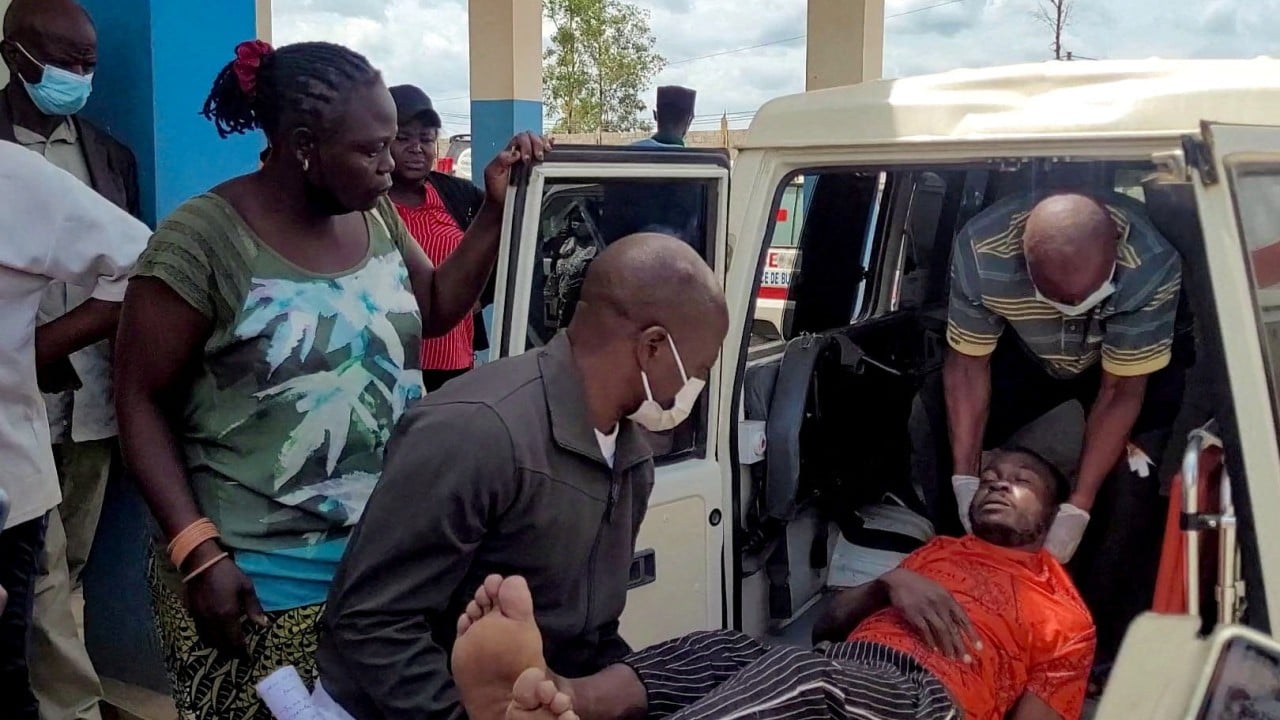
The virus has already infiltrated the medical system. At least four healthcare workers have died in Ituri after showing classic symptoms of viral hemorrhagic fever. When doctors and nurses start dying early in an outbreak, it means the clinics themselves have become amplification points for the disease.
Flipping the Playbook
The global community cannot afford to treat this like the outbreaks of the last decade. The old strategies will fail because the biological and structural realities have changed. Western aid cuts over the last few years have stripped regional laboratories of essential diagnostic equipment, leaving them ill-prepared for a rare strain.
Fixing this requires a hard shift in how resources are deployed immediately.
- Flooding the Zones with Mobile Labs: Because standard diagnostic tests are failing to flag the Bundibugyo strain, specialized molecular testing equipment must be moved directly into the mining hubs and informal clinics of Ituri. Waiting days for samples to travel to Kinshasa is a death sentence for containment efforts.
- Securing Humanitarian Corridors: Public health cannot exist without basic security. Regional political leaders must negotiate immediate, localized pauses in conflict specifically to allow health workers safe passage into high-risk zones.
- Direct Cash Inject for Local Clinics: Instead of funneling all international aid through massive bureaucratic agencies, funds need to drop directly into the hands of the informal health networks on the ground. They need basic protective gear and thermal scanners today, not next month.
- Aggressive Border Screening Over Closures: The WHO explicitly advised against closing international borders, and they're right. Closing official borders doesn't stop desperate people; it just forces them to use informal, unmonitored bush paths. The focus must shift to mandatory, rigorous health screening at every major transit point between the DRC, Uganda, Rwanda, and South Sudan.
The clock is ticking. Without a vaccine to act as a safety net, the only way to stop this outbreak from turning into a continental crisis is raw, relentless shoe-leather epidemiology backed by immediate international funding.