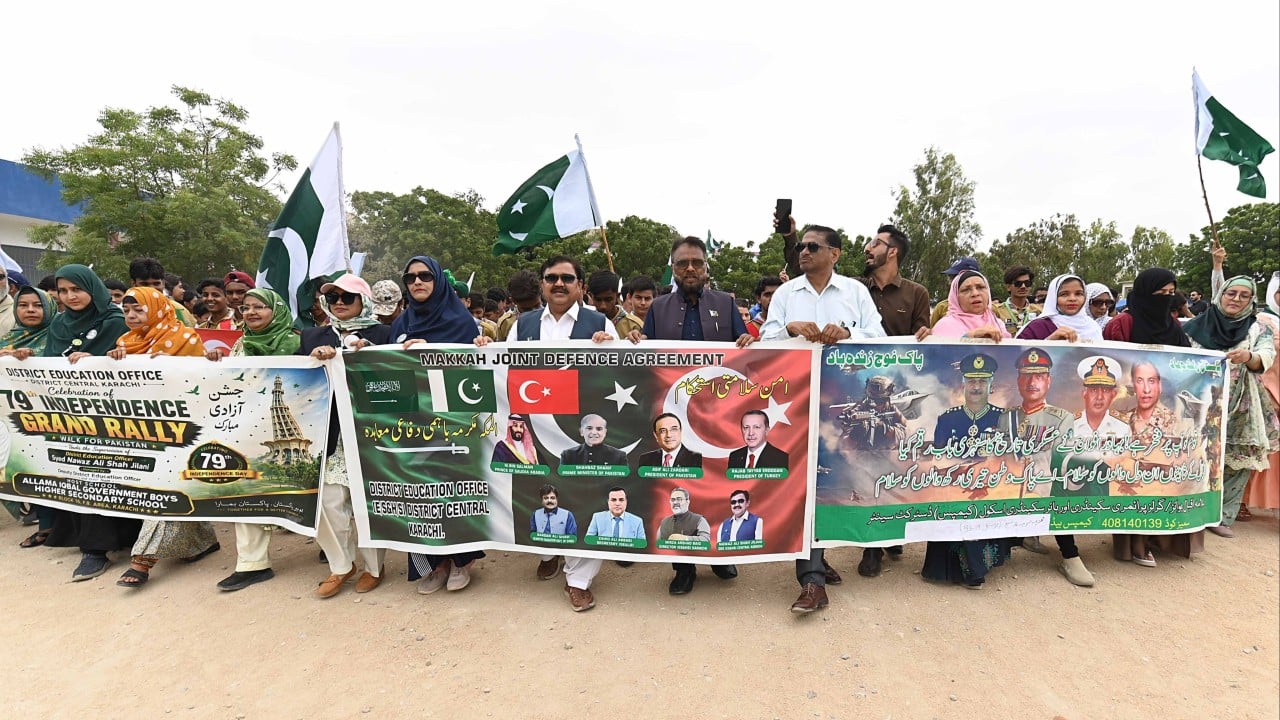
When Saudi Arabia, Pakistan, and Turkey inked the Mecca Joint Defence Agreement, headlines instantly threw around the phrase "Islamic NATO". That label is flashy, but it misses how messy regional alliances actually work. Signed on August 7, 2026, the trilateral pact commits all three nations to a collective security principle: an armed attack on one is an attack on all.
If you are sitting in New Delhi, that wording demands immediate attention. Pakistan brings nuclear capabilities and a massive military footprint to the table, Turkey contributes advanced drone technology and NATO-style military experience, and Saudi Arabia supplies the financial muscle. For India, watching Islamabad secure a formal strategic cushion with two major regional heavyweights is a tough pill to swallow.
What the Mecca Pact Actually Changes
Let's cut through the official press releases. This isn't just about joint training exercises or swapping pleasantries. The agreement creates a permanent secretariat in Saudi Arabia, outlines regular ministerial meetings, and introduces real structural institutionalization.
Pakistan’s current leadership gains a major diplomatic win. Islamabad has spent years trying to break out of diplomatic isolation. Tying its military fortunes to Riyadh's deep pockets and Ankara's defense manufacturing grants Pakistan an upgraded status as a net security provider rather than a liability.
Saudi Arabia is hedging its bets. Confidence in traditional Western security guarantees has plummeted across the Gulf following years of regional volatility and unpredictable policy shifts from Washington. Riyadh wants insurance, and building a security ring with capable Muslim-majority states fits that goal.
Why India Is Concerned
India has spent the last decade building phenomenal economic, energy, and security ties with Saudi Arabia. Prime Minister Narendra Modi's government treated the Gulf as an extension of India's extended neighborhood, successfully isolating Pakistan diplomatically in the process.
The Mecca pact complicates that tightrope walk. Even if Saudi Arabia insists the treaty isn't aimed at India, the reality on the ground is messier. During a future border crisis or military flare-up, Islamabad could benefit from indirect intelligence sharing, diplomatic backing, or financial cushioning routed through this new axis.
Former Indian diplomats have already labeled the development a negative turn for Indian interests. The concern isn't that Turkish jets will bomb Kashmir tomorrow. The worry is that Pakistan gains diplomatic swagger and operational confidence, knowing it has institutional backing from states that also maintain close working relationships with Western powers.
The Flaws in the Alliance
Before panicking, look closer at the contradictions holding this block together. Real military alliances require a unified threat perception. NATO survived the Cold War because every member shared a clear anxiety about the Soviet Union.
The Mecca pact lacks that singular focus. Turkey, Saudi Arabia, and Pakistan have historically diverged on major foreign policy choices. For instance, Pakistan chose to stay out of regional conflicts when its interests didn't align directly with Riyadh's immediate survival. Turkey pursues an aggressive, independent foreign policy under Erdogan that frequently rattles other Middle Eastern capitals.
Furthermore, the treaty text remains deliberately ambiguous about how members would respond to non-state actors or localized border skirmishes. Ambiguity gives politicians room to wiggle out of commitments when things get real.
How New Delhi Should Respond
Panic is a waste of energy. India's foreign ministry shouldn't just issue the standard, tired statement about "closely following developments", but New Delhi also shouldn't overreact.
India's strategy needs to double down on what already works. Riyadh values its economic partnership with India far too much to let Islamabad completely hijack Saudi foreign policy. Indian leadership must quietly engage Saudi and Turkish counterparts, reinforcing that bilateral ties shouldn't suffer because of third-party security arrangements.
At the same time, India must accelerate its own domestic defense manufacturing and deepen maritime security partnerships across the Indo-Pacific. When regional power dynamics shift, the best defense is self-reliance paired with smart, flexible diplomacy.
Statecraft With Geeta Mohan: Is Pakistan's Defence Pact With Saudi & Turkey Bad News for India?
This video provides an expert breakdown of the trilateral Mecca defence agreement and analyzes its geopolitical fallout for Indian national security.
http://googleusercontent.com/youtube_content/1


