The Middle East is on the verge of a massive diplomatic shift, but don't buy into the polished headlines just yet. Washington and Tehran are closer than ever to signing an interim agreement, officially dubbed the Islamabad Memorandum of Understanding. Everyone is talking about peace, but the reality on the ground looks a lot messier.
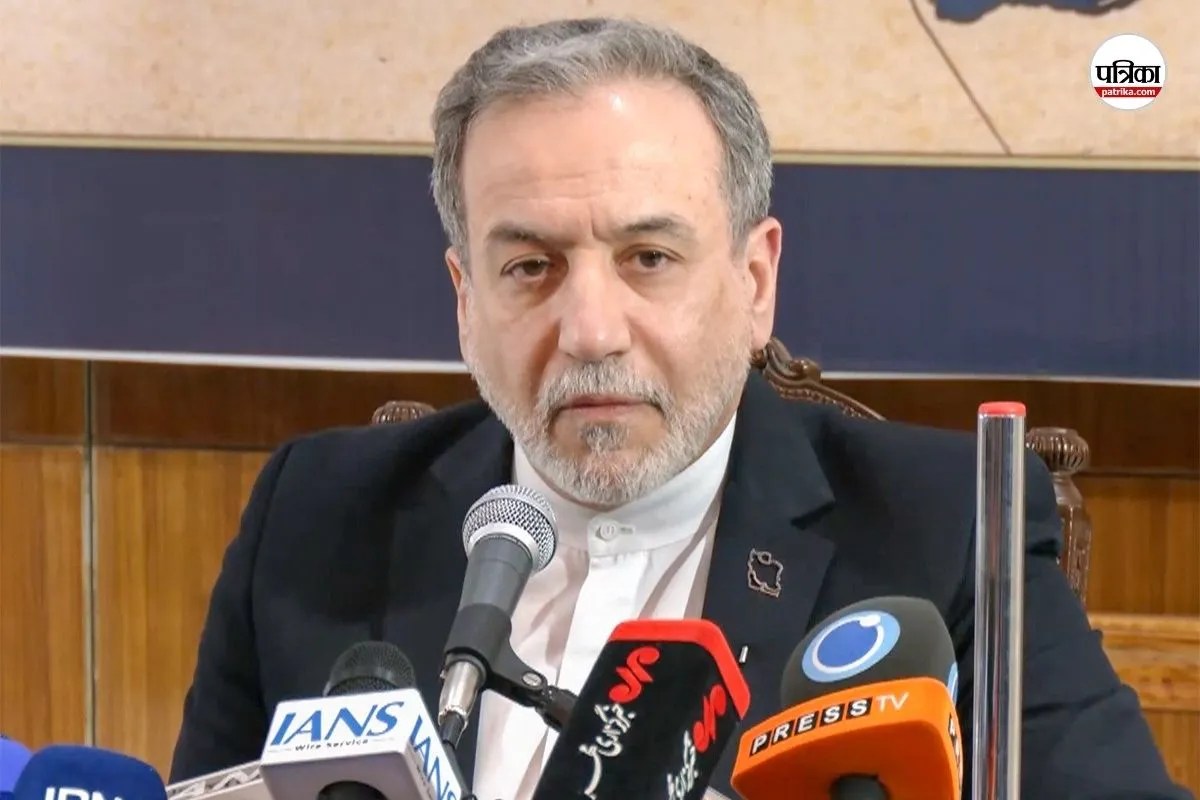
Iranian Foreign Minister Abbas Araghchi dropped a series of bombshells on state television that completely contradict the narrative coming out of Washington. While US Vice President JD Vance claims Iran won't see a single dime of direct cash, billions are already moving in the background. More importantly, the critical geopolitical chokepoints of Lebanon and the Strait of Hormuz aren't just footnotes in this deal. They're the entire story. In related developments, read about: The Border Outrage Myth: Why Administrative Red Tape is Not a Geopolitical Conspiracy.
If you think this deal means Iran is backing down, you're looking at it wrong. Tehran is playing a high-stakes game, and Araghchi just made it clear that their sword remains unsheathed.
The Two Phase Reality of the Islamabad MOU
The rumored draft floating around corporate media isn't entirely accurate. Araghchi confirmed that this deal consists of 14 specific clauses broken down into two distinct phases. This isn't a final, permanent treaty. It's a calculated, temporary pause. NPR has provided coverage on this fascinating issue in extensive detail.
Phase One: Ending the Immediate Warfare
The first stage focuses entirely on stopping active military conflict. It requires an immediate ceasefire in Lebanon and a halt to regional hostilities. Under this framework, both Washington and Tehran pledge to stop interfering in each other's internal affairs. This phase is designed to stabilize the region enough to allow remote electronic signatures on the memorandum within days.
Phase Two: The 60 Day Nuclear Clock
Only after the interim conditions are fully implemented will the two nations transition to phase two. This will be a strict 60-day window dedicated exclusively to the nuclear issue. Western analysts are obsessed with Iran's highly enriched uranium, but Tehran is refusing to ship its stockpile out of the country. Araghchi stated that the only acceptable option for Iran is blending down its highly enriched material within its own borders. If the US pushes for military leverage during these 60 days, the deal dies instantly.
The Toll Booth at the Strait of Hormuz
Donald Trump repeatedly claimed that any deal with Iran would result in the Strait of Hormuz opening up entirely, free of restrictions and free of charge. Araghchi explicitly laughed that off. The maritime reality in 2026 is radically different from what Washington politicians want you to believe.
Iran and Oman claim total administrative authority over this narrow corridor, through which 20% of the world's global petroleum passes. While Iran agreed to keep the lanes open for commercial vessels during the ceasefire period—a move that instantly caused global crude prices to plunge by 10%—it is not doing it for free.
Tehran is actively negotiating a service fee for ships traversing the strait. Call it a toll, a tariff, or a service charge; the message is identical. Iran is asserting ownership over the world's most vital oil transit route. Araghchi warned that the management of the strait will never return to pre-war norms. The Iranian military will intervene whenever they feel their sovereignty is threatened.
Lebanon and the Fate of Hezbollah
You can't talk about a US-Iran deal without addressing Beirut. The ongoing Israeli military operations in southern Lebanon have displaced over a million people, creating an unsustainable humanitarian crisis. Tehran sees these actions as a direct attempt by Israeli Prime Minister Benjamin Netanyahu to sabotage the Washington-Tehran negotiations.
The biggest misconception in the West is that Iran will trade away its proxies for sanctions relief. Araghchi shattered that illusion with a blunt declaration.
"We will not forget Lebanon's Hezbollah in any agreement. The Islamic Republic of Iran will never leave Hezbollah alone."
The ceasefire in Lebanon is structurally baked into the very first phase of the deal. Iran views the survival and political legitimacy of Hezbollah as a non-negotiable condition. Any Western analyst expecting Tehran to disarm its network in exchange for economic breathing room fundamentally misunderstands Iranian foreign policy.
Follow the Freezing Money
Let's look at the financial architecture because this is where the rhetoric gets incredibly deceptive. JD Vance took to social media to reassure the American public that Iran is receiving zero cash in this agreement. Technically, he's spinning the truth. Washington isn't cutting a check from the US Treasury.
Instead, America is allowing third-party nations to unfreeze billions of dollars in Iranian assets that were locked up by sanctions. Iran claims it has roughly $24 billion trapped globally from past oil and gas sales.
United Arab Emirates sources indicate that Abu Dhabi is already preparing to release $10 billion of these frozen Iranian funds. In fact, a first installment of $3 billion has reportedly cleared to help de-escalate regional tensions. Tehran expects similar financial releases from two other Gulf nations shortly. It's not US taxpayer cash, but it's an massive influx of capital back into the Iranian economy.
Real Steps for Navigating the New Middle East
If you operate in global trade, energy markets, or maritime logistics, you need to adjust your strategy immediately based on this shifting dynamic.
- Prepare for Maritime Tolls: Factor potential Iranian "service fees" into your shipping costs through the Persian Gulf. Assume the Strait of Hormuz remains a highly politicized checkpoint, regardless of the signed paperwork.
- Hedge for Energy Volatility: The initial 10% drop in crude oil is a sentimental reaction to the peace talks. With the 60-day nuclear negotiation phase looming, expect sharp price spikes the moment a disagreement occurs between Washington and Tehran.
- Track Regional Supply Chains: Monitor the UAE asset releases. The return of liquidity to Iranian markets will alter trade flows across the Gulf cooperation council countries, creating new compliance realities for international business.
The diplomatic machinery is moving quickly, and a remote signing ceremony could happen within forty-eight hours. But a signature on a piece of paper doesn't change the geographic reality that Iran still holds the keys to the world's primary energy highway.