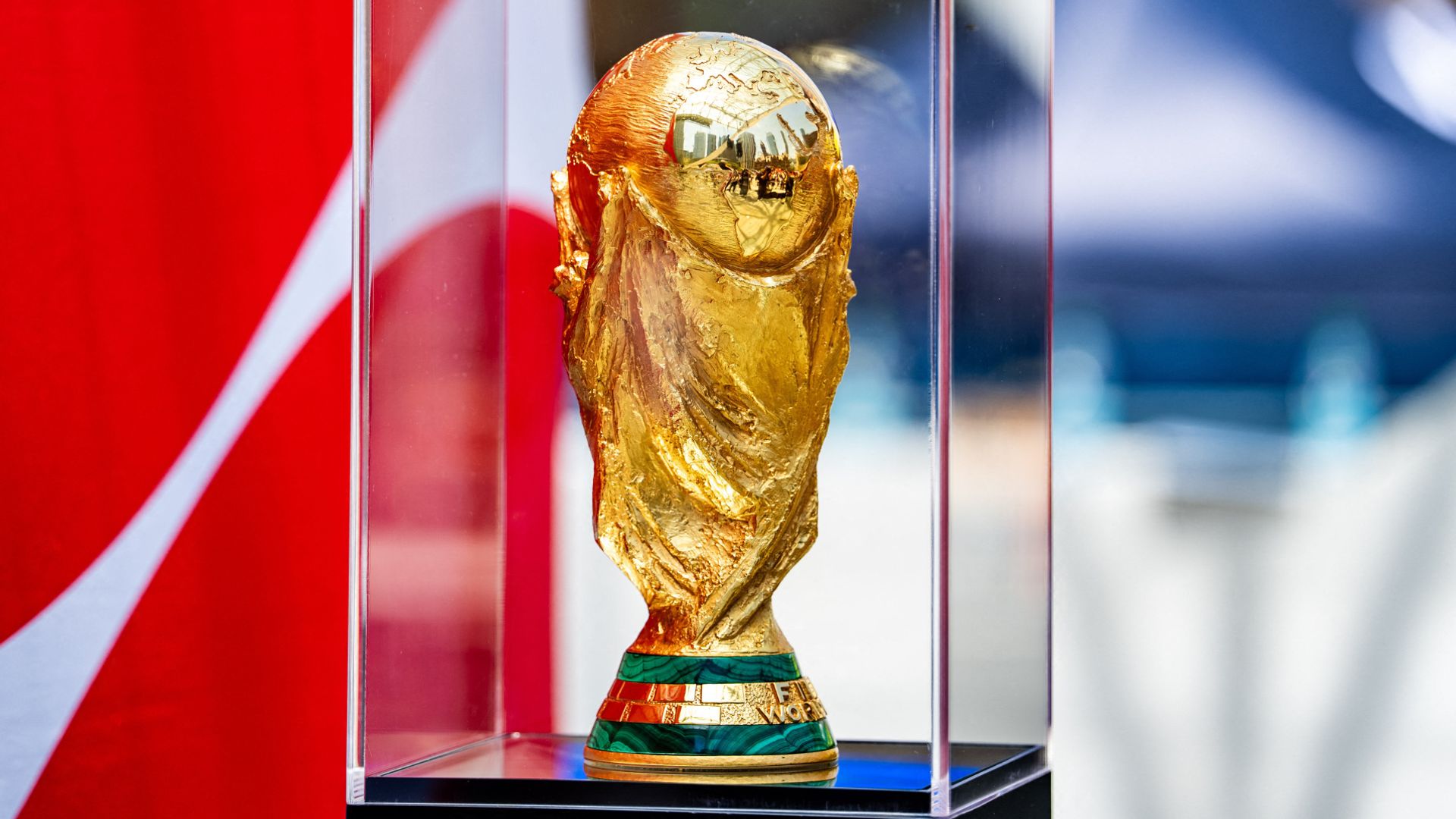
Football matches are simply too long, yet the ball is in play for barely an hour. FIFA and the International Football Association Board (IFAB) have finally decided they have had enough of the dark arts of gamesmanship. Ahead of the 48-team tournament spanning the United States, Canada, and Mexico, referees chief Pierluigi Collina rolled out a massive list of rule changes designed to kill off time-wasting and expand video review powers.
If you think you know how a World Cup match flows, you are about to get a rude awakening. These are not minor tweaks. They alter the actual rhythm of the game, penalizing teams that rely on cynical breaks to regroup or run down the clock.
The Fake Injury Timeout Is Officially Dead
We have all seen it happen a hundred times. A team is under heavy pressure in the second half, absorbing attack after attack. Suddenly, their goalkeeper collapses to the turf clutching a hamstring or complaining of dizziness. While the trainer wanders onto the pitch, the other ten outfield players sprint to the technical area. They grab water bottles, huddle around the manager, and completely reset their tactical shape.
It is a blatant, unpunished timeout disguised as a medical emergency.
From now on, that loophole is shut tight. Collina made it clear that while goalkeepers obviously have a right to receive medical treatment, outfield players absolutely do not have the right to hold a mini-conference on the sideline. Under the new protocol, which mirrors the system used in the National Women's Soccer League (NWSL), players must stay out on the pitch in their positions or wait near the center circle.
Referees will be enforcing this aggressively from the opening match. If players try to sneak over to the bench anyway, the official on the field will step in to control them before issuing warnings. The message is simple: you can no longer use your keeper's injury as a tactical strategy.
Brutal Clocks For Set Pieces and Substitutions
If you hate seeing a player spend 45 seconds wandering across the pitch during a substitution, you will love the new 10-second rule.
When a manager pulls a player off, that player has exactly 10 seconds to exit via the nearest boundary line. If they take too long to wave to the crowd or slowly untie their boots, the consequences are incredibly harsh. The incoming substitute will be forced to wait on the sideline for at least one full minute after the game restarts. Your team will literally play with 10 men for a full 60 seconds just because someone walked too slowly.
FIFA is also introducing a visible 5-second countdown for throw-ins and goal kicks to stop players from killing the game in the final minutes.
- Throw-ins: If the 5-second countdown expires before the ball is thrown, possession turns over, and the opposing team gets the throw.
- Goal kicks: If a keeper takes longer than 5 seconds, the referee can actually award a corner kick to the attacking team. Giving up a corner just because your keeper took too long to kick a ball is a nightmare scenario for any manager.
Furthermore, the general rule for medical treatment is getting teeth. Outfield players who need a physio on the field must remain on the sideline for 60 seconds after play restarts before they can jump back into action. It forces teams to think twice before faking contact to slow down an opponent's counterattack.
Expanding VAR Powers Before the Ball Is Active
Up until now, the Video Assistant Referee was handcuffed when it came to pre-play foul play. If an attacking player shoved a defender to the ground right before a corner kick or free kick was physically struck, VAR could not intervene because the ball technically wasn't in play yet. It felt deeply unfair, and it led to goals standing that clearly should have been disallowed.
Collina pointed directly to a recent match where England scored against Uruguay after Adam Wharton blocked José María Giménez before a set-piece was taken. Under the old rules, the goal stood. Under the new World Cup rules, VAR can step in, flag the clear foul by the attacker, and recommend an on-field review. The goal gets wiped out, the corner or free kick is retaken, and the offender can be disciplined.
VAR will also get the power to check wrong corner decisions and review red cards that come from a mistaken or clearly incorrect second yellow card. It adds a safety net for some of the most frustrating refereeing mistakes in modern football.
Covering Your Mouth Can Now Get You Set Off
This is arguably the most controversial change on the list. We live in an era where every single player covers their mouth with their hand, arm, or jersey when talking to an opponent or an official to prevent lip-readers and TV cameras from picking up what they say.
FIFA is clamping down heavily on this during heated moments.
If players get into an argument or a confrontation and someone covers their mouth, it can now be treated as a straight red card offense. The ruling comes after high-profile incidents, including a major controversy involving Benfica's Gianluca Prestianni earlier this year.
Collina explained that normal, friendly chats are perfectly fine. But when the temperature rises, covering your mouth suggests you are hiding something highly inappropriate or discriminatory. If you want to argue, you will have to do it with your face fully visible to the cameras, or you risk an immediate trip to the dressing room.
How Teams Must Adjust Right Now
Managers cannot wait until they arrive at the tournament to fix these habits. The 48 teams heading to North America need to drill these protocols into their squads immediately during pre-tournament training camps.
First, tactical discipline during injury breaks needs to happen entirely on the pitch. Captains and veteran midfielders must take charge of organizing their teammates in the center circle rather than relying on the manager to scream instructions from the touchline.
Second, fitness and substitution drills must be timed. Players need to internalize the internal clock of a 10-second exit and a 5-second throw-in. A single mental lapse could cost a team a goal via a penalized corner kick or a costly one-minute minority on the pitch. The teams that adapt to this rapid pace first will have a massive psychological advantage when the group stage kicks off.