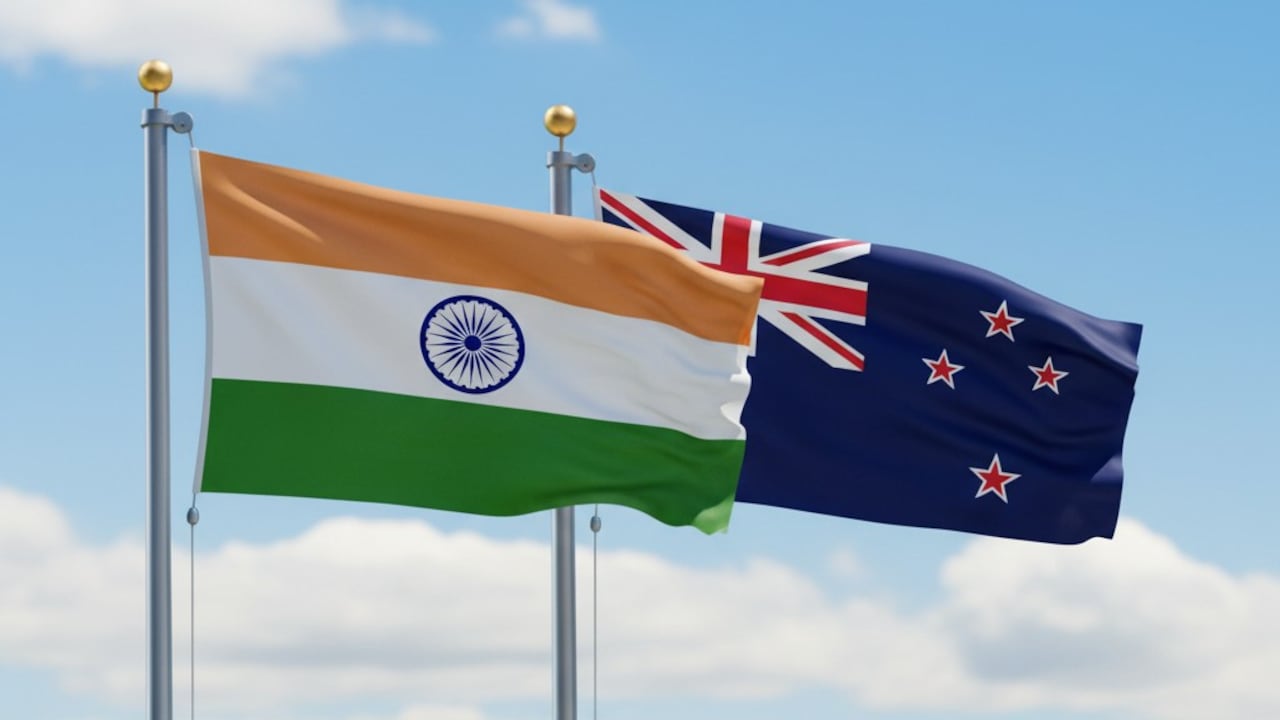
Everyone loves a trade agreement headline. Politicians gather for handshakes, trade ministers beam under hot studio lights, and editorial boards churn out glowing columns about historic breakthroughs. The recent noise surrounding New Zealand and India supposedly locking arms on a sweeping tariff-cutting trade pact fits this exact script. It sounds progressive. It sounds like economic momentum.
It is also largely an illusion.
I have spent decades watching governments sign bilateral treaties that look magnificent on government stationery and do precisely zero for the people actually moving goods across borders. The lazy consensus in mainstream financial journalism treats every signed paper as an automatic boon. That is not analysis; it is stenography for trade bureaucrats. When you strip away the press releases and look at the actual mechanics of how Wellington and New Delhi trade, a different reality emerges. This is not a barrier-smashing economic revolution. It is a carefully managed exercise in political optics designed to appease domestic constituencies while protecting entrenched protectionist walls.
Let us look at how commerce actually moves between these two economies.
New Zealand runs a small, hyper-specialized export engine built around agriculture, dairy, forestry, and niche manufacturing. India remains one of the most fiercely protected domestic markets on the planet, particularly when it comes to the agricultural sector. For decades, New Zealand dairy giant Fonterra has cast a longing eye toward the massive Indian consumer base. For decades, Indian politicians have slammed the door shut to protect millions of domestic smallholder dairy farmers who hold immense electoral clout.
Do you seriously believe that a sudden stroke of diplomatic pen just dismantled centuries of structural protectionism in New Delhi?
Of course not.
When a trade deal manages to pass through the grinding machinery of Indian bureaucracy without triggering massive agrarian protests, it usually means one thing: the hardest sectors were carved out, delayed, or subjected to suffocating quotas that render the tariff cuts meaningless. If dairy and key agricultural goods are left out or tied up in red tape, what exactly are we celebrating? A lower tariff on kiwi fruit and specialized tech services does not a trade revolution make. It is a rounding error disguised as a breakthrough.
The mainstream narrative makes a fundamental error in assuming that formal tariff reductions automatically equal market access. Tariffs are only the tollbooth on the highway. If the road itself is blocked by non-tariff barriers, bureaucratic red tape, complex licensing requirements, and arbitrary sanitary inspections, lowering the toll does not help you move an inch.
I have seen companies blow millions trying to crack developing markets because they read a headline about reduced tariffs and forgot to check the customs clearance reality on the ground. Bureaucracy is an art form in India. Customs officials possess vast discretionary powers. Compliance costs eat margins alive. A paper-thin tariff reduction gets entirely swallowed by the friction of entering a market that fundamentally prioritizes domestic producers over foreign entrants.
Wellington knows this, of course. New Zealand trade officials are not naive. They live in the real world. But small exporting nations often feel compelled to chase the phantom of the Indian market because the sheer scale of its population is too intoxicating to ignore. It is a classic case of wishful thinking overriding empirical data.
So why push the deal through?
Because politics requires wins. New Zealand’s political leadership needs to project global engagement and economic diversification away from traditional heavy partners. India needs to project openness to Western-aligned democracies while maintaining its fiercely independent, protectionist economic posture. Both sides get their ribbon-cutting ceremony. Both sides get a fresh press release for the evening news. The underlying economic friction remains completely untouched.
If you are a New Zealand exporter reading the celebratory coverage and thinking you should immediately triple your shipping volume to Mumbai, you are walking into a trap. Do not look at what the trade ministers signed in a conference room. Look at what customs officers enforce at the port.
Trade is won in the logistics trenches, not at the podium. Until India fundamentally restructures its domestic subsidy models and bureaucratic bottlenecks, every grand trade pact signed in its capital is just expensive paper.
Stop reading the headlines. Watch the shipping manifests. They are still telling the truth.