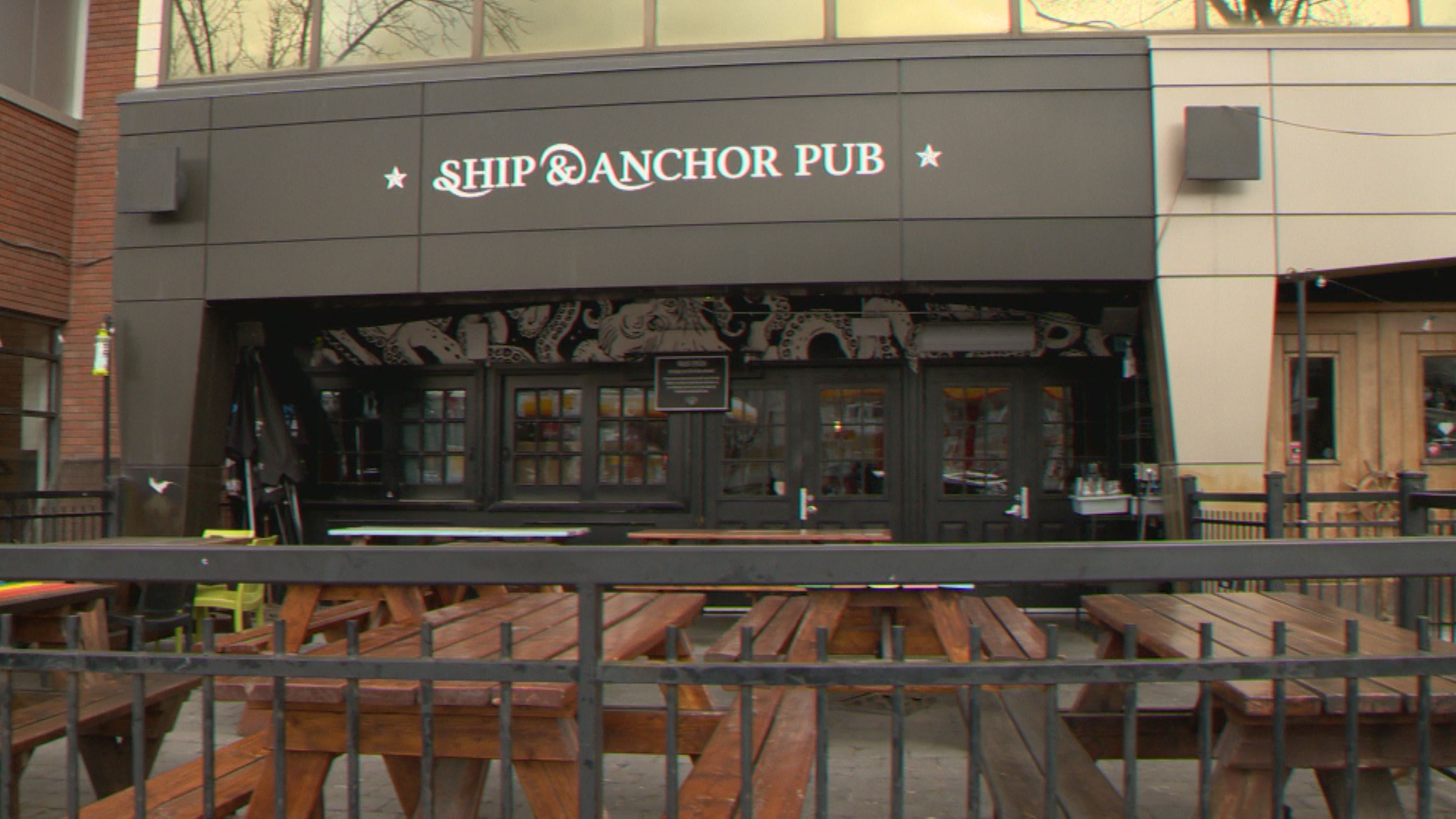
The air inside the basement of a nondescript building on 10th Avenue smells of stale beer, old wood, and the electric ozone of a pushed amplifier. A local band is midway through a soundcheck. The kick drum thumps against your sternum—a rhythmic, physical heartbeat that tethers everyone in the room together. For forty years, this has been the pulse of Calgary’s inner city. It is loud. It is messy. It is essential.
But outside, the skyline is changing. Glass towers are rising, their sleek surfaces reflecting a version of the city that is polished, quiet, and expensive. When those two worlds collide, the music almost always loses.
Calgary City Council is currently weighing a set of new development rules that aim to prevent this collision from turning into a funeral for the local arts scene. At the center of the debate is a simple, frustratingly human problem: what happens when a person buys a half-million-dollar condo next to a legendary jazz club and then realizes they actually hate the sound of jazz at 1:00 AM?
The Burden of Quiet
Under the current rules, the burden of peace and quiet usually falls on the shoulders of the venue. If a new residential building goes up next door and the new tenants start calling in noise complaints, the venue is the one that gets the fines. They are the ones who have to spend tens of thousands of dollars on retrofitted soundproofing they can’t afford. Often, they just give up. They close. The neon sign goes dark, the stage is ripped out, and the city loses another piece of its soul.
Consider a hypothetical resident named Sarah. Sarah loves the idea of living "downtown." she wants the vibrancy, the walkability, and the proximity to culture. She buys a beautiful unit on the fourth floor. But three months in, the bass lines from the club across the alley start keeping her awake on Tuesday nights. She has a presentation at 9:00 AM. She is tired. She is frustrated. She calls the city.
Sarah isn't a villain. The venue owner isn't a nuisance. They are just two people whose interests were never aligned by the people who designed the neighborhood.
The proposed changes, often referred to as "Agent of Change" principles, seek to flip this script. The idea is remarkably logical: the party responsible for changing the character of a neighborhood should be the one responsible for mitigating the impact. If a developer builds a residential complex next to an established music hub, the developer—not the musicians—must pay for the high-grade windows and acoustic insulation.
Building a Buffer
This isn't just about noise. It’s about the preservation of an ecosystem.
When a music venue closes, it isn't just the owner who loses their shirt. It’s the dishwasher who loses a shift. It’s the graphic designer who loses the gig making posters. It’s the young kid who just bought their first guitar and now has nowhere to see what a real performance looks like. We are talking about the "invisible stakes"—the gradual thinning of a city’s cultural blood.
A city without small, loud, slightly grimy venues is a city that eventually becomes a museum of itself. It becomes a place where people live, but where nothing happens.
The City Council's plan involves creating "Entertainment Districts" or "Culture Areas" where the rules are explicitly clear before a single brick is laid. This creates a sort of legal transparency. If you move into one of these zones, you are effectively signing an unspoken contract with the neighborhood. You are acknowledging that the hum of the city is a feature, not a bug.
The Cost of Silence
There is a financial reality to this that often gets buried in the emotional plea for the arts. Calgary's downtown is struggling with vacancy and a shifting identity. The city wants people to move back to the core. They want "vibrancy." But vibrancy is expensive to maintain and easy to kill.
If developers are forced to spend more on soundproofing, the cost of those condos might go up. That is the trade-off. We have to decide if we value a slightly lower mortgage more than we value the ability to walk down the street and hear live music.
Metaphorically speaking, Calgary is trying to decide what kind of outfit it wants to wear. For decades, it was a suit and tie—predictable, corporate, and focused on the bottom line. Now, it’s trying to put on something a bit more interesting, a bit more expressive. But you can't wear the new outfit if you're too afraid of getting a little dirt on the sleeves.
The friction between "new" and "established" is the oldest story in urban planning. It is the tension that defines a growing city. In the past, Calgary has often chosen the "new" at the expense of the "established." We’ve seen historic buildings leveled for parking lots and community hubs erased for suburban sprawl. This council vote is a chance to break that cycle.
The Invisible Shield
Sound is a strange thing. It travels through solids better than it travels through air. It finds the gaps. It vibrates through the very bones of a building. To truly protect a venue, you have to build an invisible shield of engineering.
The proposed rules suggest that noise studies should be mandatory for new developments in these sensitive zones. Imagine an engineer standing on a balcony with a microphone, capturing the decibel levels of a Saturday night crowd. That data then dictates the thickness of the glass in the bedrooms above. It is a marriage of data and art, ensuring that the two can coexist without one suffocating the other.
But the real magic isn't in the glass or the insulation. It's in the shift of perspective. For the first time, the city is beginning to treat culture as an infrastructure. We protect our sewers, our power lines, and our roads because we know we can't function without them. We are finally starting to realize that music and art are just as vital to the health of a city as the pipes under the pavement.
If the council moves forward, it sets a precedent. it tells the creative community that they belong in the heart of the city, not just in the industrial outskirts where nobody can hear them. It tells developers that they are welcome to build, but they must be good neighbors to the history that was there before them.
The kick drum continues to thump in that 10th Avenue basement. The band is tight now, the lead singer leaning into the mic, pouring sweat and soul into a room of forty people. Outside, the wind whistles between the glass towers. For now, the music is still louder than the silence. The question is how much longer we are willing to pay for the right to hear it.
The city is changing. The question is whether we will hear the music through the walls, or only the echoing memory of what used to be there.