Darkness in Sanaa does not arrive softly. It does not wait for twilight to gently paint the ancient mud-brick towers in shades of violet and indigo. Instead, the night is violently punctured.
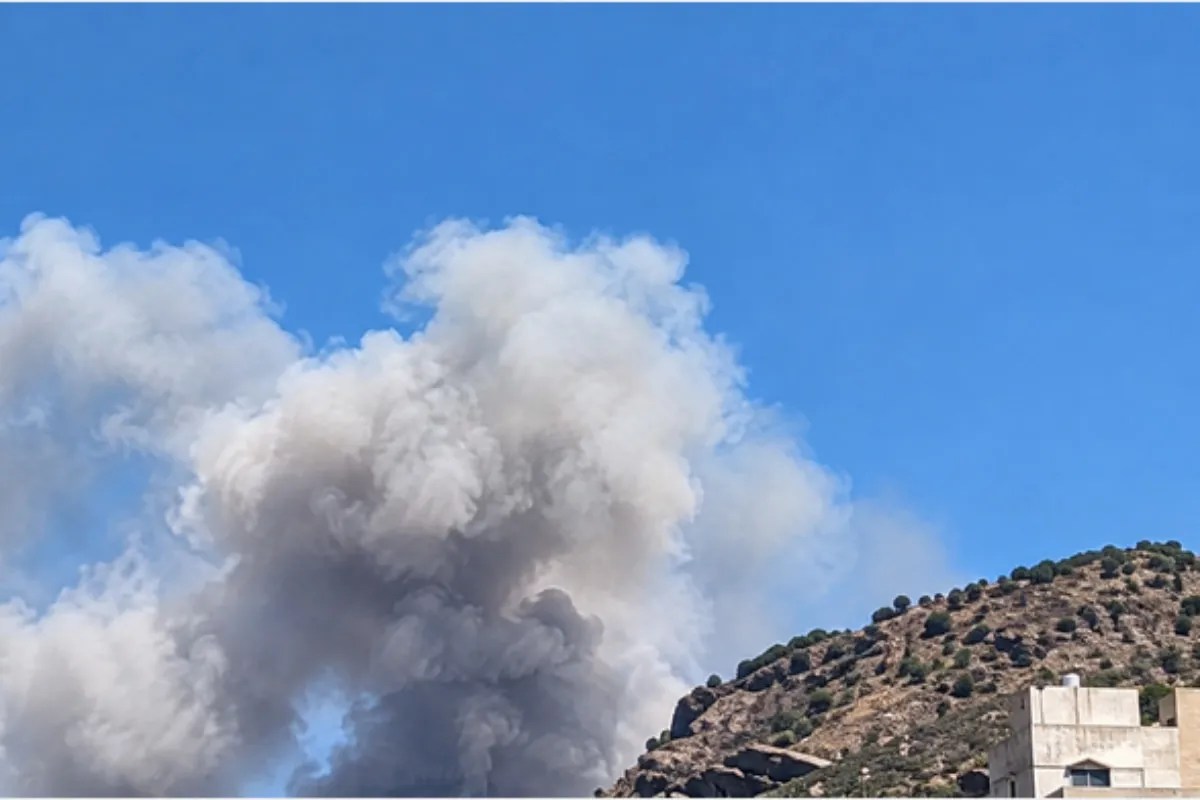
Consider the sound. It is not the distant rumble of thunder rolling over the Haraz mountains. It is a concussive roar that vibrates in the teeth, rattling the wooden lattices of windows that have stood for centuries. Then comes the light—a sudden, blinding magnesium glare that turns the midnight sky the color of a bruised peach.
For the people of Yemen’s capital, this is not a new symphony. It is the recurring nightmare of a conflict that has hollowed out the country's heart, turning a city of breathtaking architectural wonder into a theater of calculated devastation. When Saudi-led coalition airstrikes target Houthi-held positions within Sanaa, the asphalt fractures, ancient dust chokes the narrow alleys, and ordinary families curl a little tighter against the cold stone of their living rooms.
To understand what is happening in Sanaa, you have to look beyond the sterile military communiques and the cold statistics of tonnage dropped and targets destroyed. You have to imagine a mother sitting in a kitchen illuminated only by the frantic glow of a dying phone screen, listening to her children breathe in the dark. Every whistle overhead is a lottery ticket purchased with human lives. Will it land on the military camp three miles away, or will it find the crowded residential block down the street?
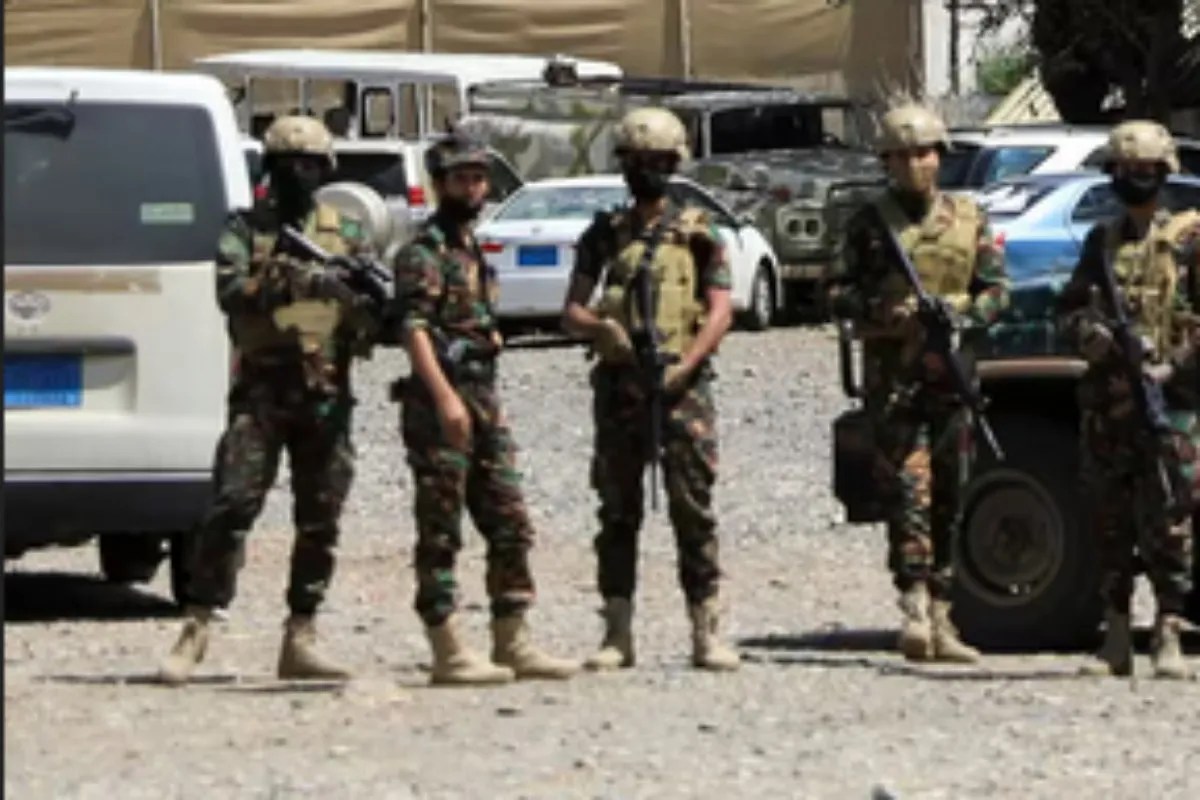
The Houthi movement, formally known as Ansar Allah, seized control of this historic capital back in late 2014, fundamentally altering the trajectory of a nation already teetering on the edge. What followed was a complex web of regional ambitions, proxy rivalries, and an agonizing humanitarian crisis that the United Nations once labeled the worst in the world. Yet, numbers fail us here. How do you quantify the loss of a generation’s future? How do you measure the weight of a hospital running out of fuel for its generators while the operating theater glows under emergency lights?
The airstrikes are designed to suppress command centers, ballistic missile depots, and drone launch sites. That is the tactical objective recited in briefing rooms hundreds of miles away. But war has a terrible habit of missing its intended target and finding the most vulnerable things instead.
Walk through the old city of Sanaa, a UNESCO World Heritage site where multi-story tower houses rise like ginger-bread castles decorated with intricate white gypsum patterns. These buildings were constructed to withstand the desert heat and the passage of time, not modern ordinance. When a nearby strike hits, ancient stained-glass windows—known as qamariya—shatter into a million ruby and emerald crystals, raining down like ruined jewelry upon the cobblestones. The stone walls, seasoned by over a thousand years of human laughter, trade, and sorrow, develop fresh cracks that bleed gray dust.
History is heavy here. It presses down on every street corner. You feel the ghost of ancient trade routes, the whispers of queens and imams, and the heavy, suffocating blanket of modern geopolitics. The people of Sanaa are caught in an agonizing vise. On one side are the iron-fisted controls of the Houthi authorities, who maintain a rigorous grip on public life, media, and dissent. On the other side is the relentless air campaign from the skies, a constant reminder that sovereignty is fragile and safety is an illusion.
We often talk about war as a chess game. We move pieces across a map, analyze supply lines, and debate the strategic utility of striking a radar installation or a fuel depot. But chess pieces do not bleed. Chess pieces do not wake up at three in the morning to comfort a weeping child who believes every shadow outside is a descending bomb.
When the smoke clears after a night of heavy raids, the morning reveals a city resilient in its exhaustion. Bakers light their wood-fired ovens, sweeping away the grit of the previous night’s explosions. Shopkeepers pull up their metal shutters, determined to trade a semblance of normalcy for the creeping despair that threatens to swallow them whole. It is a quiet, stubborn defiance. They are surviving not because the situation is manageable, but because they have no other choice.
The geopolitical chessboard remains deadlocked, frozen in a bitter stalemate that defies easy diplomatic solutions. Ceasefires stutter and fracture; peace talks stumble over deep-seated mistrust and irreconcilable demands. Meanwhile, the capital city sits in the crosshairs of an ambition far larger than its streets can hold.
As the sun sets once more over the minarets of Sanaa, the first star is obscured by a thin, lingering veil of gray smoke. The air grows cold. The children go to sleep with their shoes nearby, just in case the night decides to fracture again. And somewhere in the dark, the city waits, holding its breath, listening for the sky.