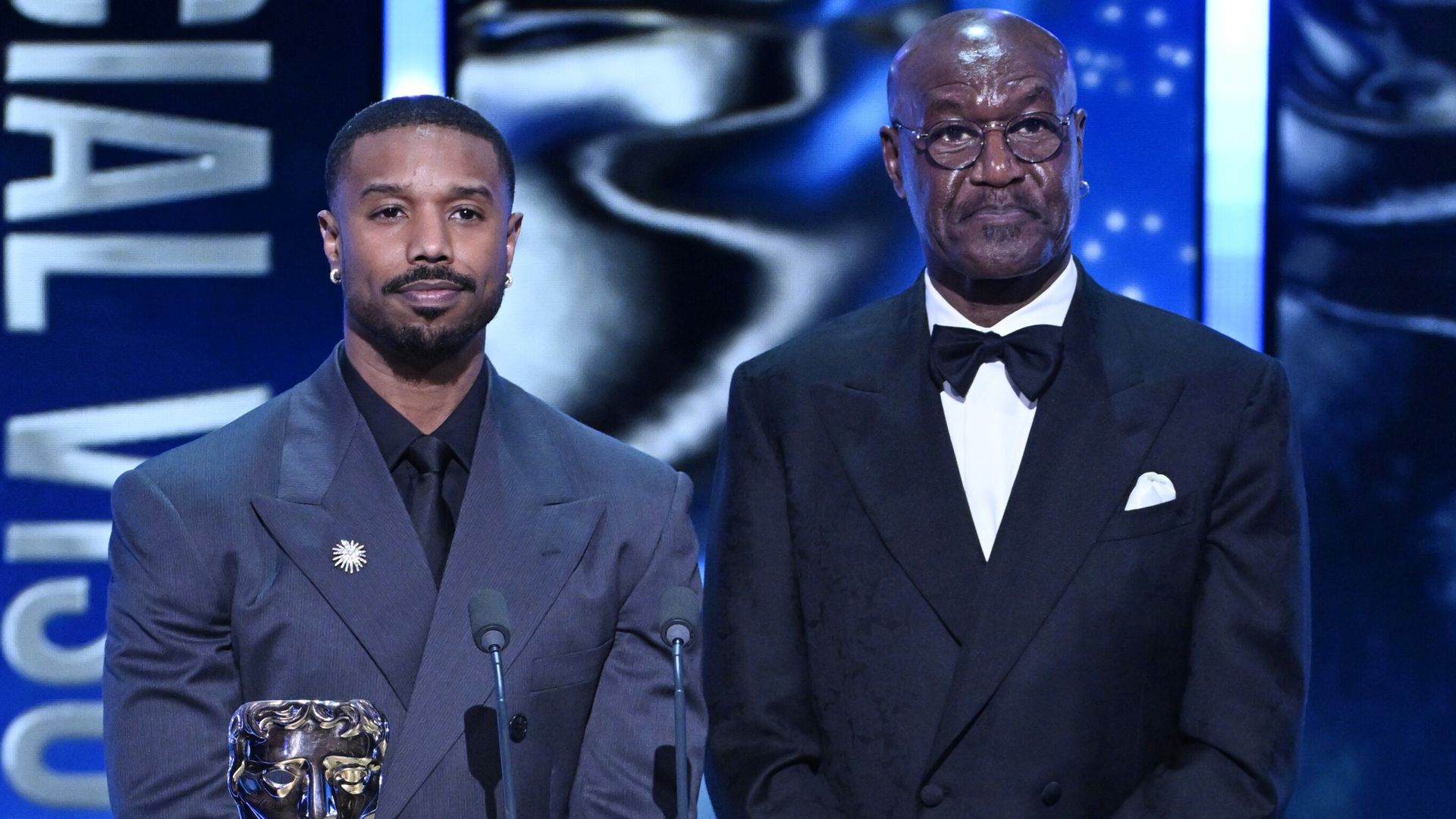
The Royal Festival Hall is a place built for resonance. On a typical awards night, that resonance is made of polished brass, the rustle of expensive silk, and the polite, rhythmic thud of applause. But on a recent Sunday, the air inside changed. It didn’t happen during a speech or a high-profile win. It happened in the silence of the edit suite afterward, and then, inevitably, in the roar of the digital world outside.
A racial slur was broadcast. It wasn't a slip of the tongue from a presenter or a hot-mic moment from a nervous winner. It was tucked inside a musical performance, a piece of lyricism that stayed in the final cut of the BBC’s broadcast of the BAFTA Film Awards. In an industry that spends millions on "brand safety" and sensitivity readers, the word hung there, unchallenged, until the viewers at home pointed it out.
The BBC is now investigating. That is the official line. But an investigation into a broadcast error is a clinical solution to a visceral problem.
The Ghost in the Machine
To understand why this matters, you have to look at the anatomy of a televised ceremony. These shows are not "live" in the way a street protest is live. They are managed, buffered, and scrutinized by a small army of producers. There is a delay. There are eyes on every frame.
Imagine a junior editor, someone we’ll call Sarah. Sarah is sitting in a darkened room with three monitors glowing against her face. Her job is to ensure the pacing is tight. She watches the musical guest—a performance intended to celebrate the soul of cinema—and she hears the lyrics. To Sarah, perhaps it’s just a song. To the supervisor checking the levels, it’s just a frequency.
This is where the human element fails. When we talk about "institutional oversight," we are really talking about a collective blind spot. If the people in the room don’t feel the sting of a word, they don't hear the alarm bells. The slur wasn't a technical glitch; it was a cultural one.
The BBC’s guidelines on offensive language are exhaustive. They categorize words by their "potential for offense" and require senior editorial sign-off for anything that touches the "highest tier" of derogatory terms. In 2023, the BBC’s own research into audience expectations found that while viewers are becoming more tolerant of general swearing in late-night contexts, their intolerance for racial epithets has sharpened to a razor edge. Specifically, 75% of surveyed participants felt that the use of the strongest racial slurs was "never acceptable" in a pre-recorded entertainment context, regardless of artistic intent.
And yet, the word traveled from the stage, through the cables, into the satellites, and out into the living rooms of millions.
The Weight of the Word
The argument often arises: "It’s just a lyric. It’s part of the art."
But art doesn't exist in a vacuum. The BAFTAs are a celebration of meritocracy—or at least, they strive to be. For an industry that has spent the last decade grappling with the #BaftasSoWhite movement, a slur in the broadcast isn't just a mistake. It’s a recurring character.
Consider the statistics that haunt these red carpets. A 2021 study by the Creative Industries Policy and Evidence Centre revealed that people from working-class backgrounds and minority ethnic groups are significantly underrepresented in "behind-the-scenes" editorial roles at major UK broadcasters. When the gatekeepers all come from the same neighborhood, they tend to leave the same gates open.
When a slur makes it to air, it tells a specific group of people that they weren't in the room when the final decisions were made. It tells them that their discomfort is invisible. It’s a cold reminder that for all the diversity charters and the gold-plated trophies, the "default" ear in the production booth is still one that doesn't flinch at a slur.
The Investigation Loop
What happens now? The BBC has launched a formal probe. This is the corporate version of a fire drill. It involves an internal review, a timeline of who saw what and when, and likely, a quiet apology to the regulator, Ofcom.
Ofcom receives thousands of complaints about "harm and offense" every year. In the last reporting cycle, 1,072 complaints were logged specifically regarding racial language across all UK television. This is where the investigation usually ends: a report, a reprimand, and a promise to "update training protocols."
But training protocols don't fix a cultural disconnect. You cannot train a machine to feel the weight of a word. You can only hire people who already know it.
The investigation isn't about one song. It’s about the silence of the room. It’s about the dozen or more editors, compliance officers, and sound engineers who all sat in the glow of the monitors and didn't hear a problem. It’s about why the "off" switch wasn't flipped before the signal hit the air.
Imagine a young person, a film student who looks like the person that slur was designed to dehumanize. They sit down to watch the BAFTAs. They see the gowns. They see the glamour. They see the aspiration. Then, they hear the word. In that moment, the red carpet doesn't look like a pathway to their future anymore. It looks like a barrier. It looks like a boundary.
The real cost of this error isn't measured in Ofcom fines or BBC board meetings. It's measured in the quiet, cumulative erosion of trust. When the soundtrack of our most prestigious cultural celebrations includes the language of the street-corner insult, the prestige itself begins to fray.
The investigation will find its culprit. It will be a "process failure" or a "lapse in communication." But as the credits roll on the next awards show, the question won't be about the process. It will be about whether the person in the darkened edit suite is finally, truly, listening.
The lights go down at the Royal Festival Hall. The silences between the notes are where the real story lives. And that night, the silence was too long. It was long enough for a word to slip through, and loud enough to change everything.
Would you like me to look into the specific history of Ofcom's rulings on racial language in UK broadcasts?