The steel floor of a bridge deck on a VLCC—a Very Large Crude Carrier—doesn't feel like a miracle. It feels like grease, salt spray, and the low-frequency thrum of an engine that never sleeps. But for a captain standing at the window peering into the pitch-black waters of the Persian Gulf, that steel is the only thing separating a thousand sailors from a geopolitical tinderbox.
Right now, the International Maritime Organization (IMO) is drafting a document that most of us will never read. It is an evacuation plan. On paper, it looks like a series of coordinates, logistical checkpoints, and bureaucratic protocols. In reality, it is a blueprint for what happens when the world’s most vital artery begins to hemorrhage.
We take the sea for granted. We see the gadgets on our desks and the fuel in our tanks and assume they arrived via some invisible, digital magic. They didn't. They moved through a strip of water only twenty-one miles wide at its narrowest point.
The Choke Point
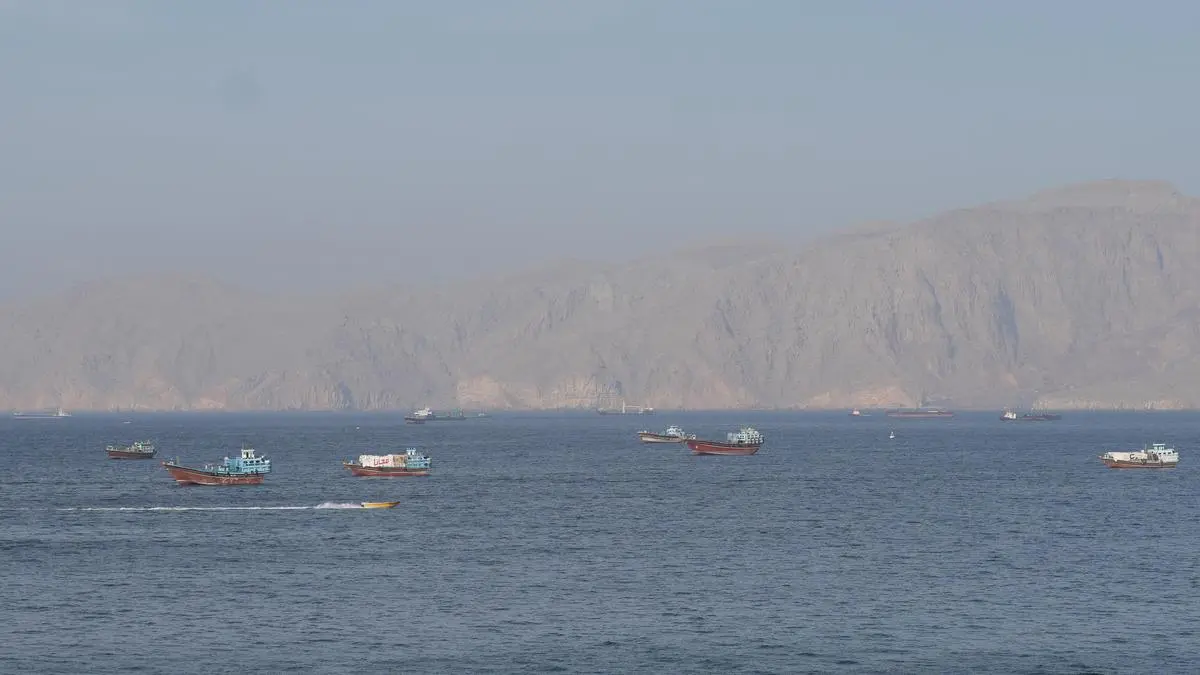
The Strait of Hormuz is not just a geographic location. It is a psychological pressure point. Roughly one-fifth of the world’s total oil consumption passes through this gap. Imagine a funnel that feeds the entire planet. Now imagine someone placing their thumb over the exit.
The IMO isn't creating an evacuation plan because they like paperwork. They are doing it because the math of modern shipping has collided with the volatility of modern ghost-wars. When a tanker is seized or a hull is breached by a limpet mine, the clock doesn't just tick; it screams.
Consider a hypothetical officer named Elias. He has spent twenty years on the water. He knows the smell of the air before a storm and the specific vibration of a healthy turbine. But Elias cannot navigate his way around a drone strike or a boarding party coming down from a helicopter. For men like him, the IMO’s new framework isn't a "policy update." It is a lifeline.
The plan involves the coordinated exit of hundreds of vessels. This isn't like clearing a parking lot after a football game. These ships are the size of skyscrapers. They cannot stop on a dime. They cannot turn quickly. They are massive, slow-moving islands of flammable cargo. If one ship goes down or is seized in the main channel, the others are sitting ducks.
The Invisible Stakes of a Ghost Fleet
Why now? Why is the IMO suddenly obsessed with the mechanics of a mass exodus?
The answer lies in the gray zone. For years, shipping was governed by a set of gentleman’s agreements and international laws that felt ironclad. But those laws are being tested by "shadow fleets"—vessels with obscured ownership, sailing under flags of convenience, often without proper insurance.
When a "dark" tanker breaks down or causes a collision in the Strait, who pays? Who coordinates the rescue? More importantly, who prevents the entire waterway from becoming a graveyard of tangled steel and spilled crude?
The IMO’s evacuation plan is designed to bridge the gap between "business as usual" and "total catastrophe." It outlines how to move hundreds of ships out of harm's way while maintaining enough order to prevent the global economy from falling into a coma.
If the Strait closes, the price of everything changes. Not in months. In hours.
The cost of shipping insurance would skyrocket. Containers filled with grain, medical supplies, and microchips would sit idle, baking in the heat of the Gulf. The ripples would move from the water to the stock exchange, then to the grocery store, and finally to your kitchen table.
The Human Cost of Logistics
We often talk about "vessels" as if they are inanimate objects. We forget the humans living inside the steel.
There are hundreds of crews currently navigating the Gulf. Most are from the Philippines, India, or Eastern Europe. They are fathers sending money home for school tuition and sons hoping to buy a house for their mothers. When a region becomes a "high-risk area," these men don't get to work from home. They put on their life vests, look at the horizon, and hope the radar stays clear.
The IMO plan focuses on "safe havens"—designated zones where ships can wait out a crisis. But a safe haven is only safe if it can be defended. The plan requires an unprecedented level of cooperation between nations that, frankly, don't like each other very much. It asks them to prioritize the flow of commerce over the pride of the flag.
It is a fragile hope.
The Architecture of the Exit
The logistics of moving five hundred ships simultaneously are staggering. You need deep-water ports that can handle the draft of a supertanker. You need tugboats by the dozen. You need communication channels that can’t be jammed by electronic warfare.
But the real challenge isn't the hardware. It’s the timing.
Deciding when to trigger an evacuation is a billion-dollar gamble. Trigger it too early, and you cause a global panic and a supply chain crisis for no reason. Trigger it too late, and you are left presiding over a disaster that will take decades to clean up.
The IMO is attempting to codify the "tipping point." They are looking for the specific indicators—intelligence reports, kinetic actions, or diplomatic collapses—that mean the Strait is no longer tenable.
The Silent Watch
Tonight, somewhere in the middle of the Strait, a lookout is holding a pair of binoculars. He isn't looking for a storm. He is looking for a small, fast-moving boat. He is looking for a change in the water’s surface that shouldn't be there.
He is the person the IMO is thinking about.
The world operates on the assumption that the seas are a common heritage, a shared highway that will always be open. But that openness is a choice. It is a choice made by regulators in London, diplomats in New York, and captains in the Gulf.
The evacuation plan is a confession. It is an admission that the choice to keep the world moving might one day be taken out of our hands.
We wait. We watch. We plan for the day the funnel clogs.
The engine thrums on. The grease stays on the deck. The steel holds for another night. But the blueprints for the exit are now tucked away in the bridge, just in case the dark water decides it has had enough of our cargo.
The most dangerous thing about a choke point isn't the narrowness of the water; it's the realization of how much we lose if we can't get to the other side.