The cabin of a long-haul flight is a strange, suspended reality. Once the engines reach that steady, rhythmic hum and the sun disappears behind the curve of the earth, the aircraft becomes a pressurized metal tube of forced intimacy. Hundreds of strangers sit shoulder-to-shoulder, breathing the same recycled air, trusting that the thin veil of social decorum will hold until the wheels touch the tarmac. We surrender our personal space for the promise of the destination. We sleep in the presence of people we’ve never met, vulnerable and unconscious, assuming the person in 24C is bound by the same invisible moral contract as we are.
But sometimes, that contract is shredded before the first meal tray is even cleared.
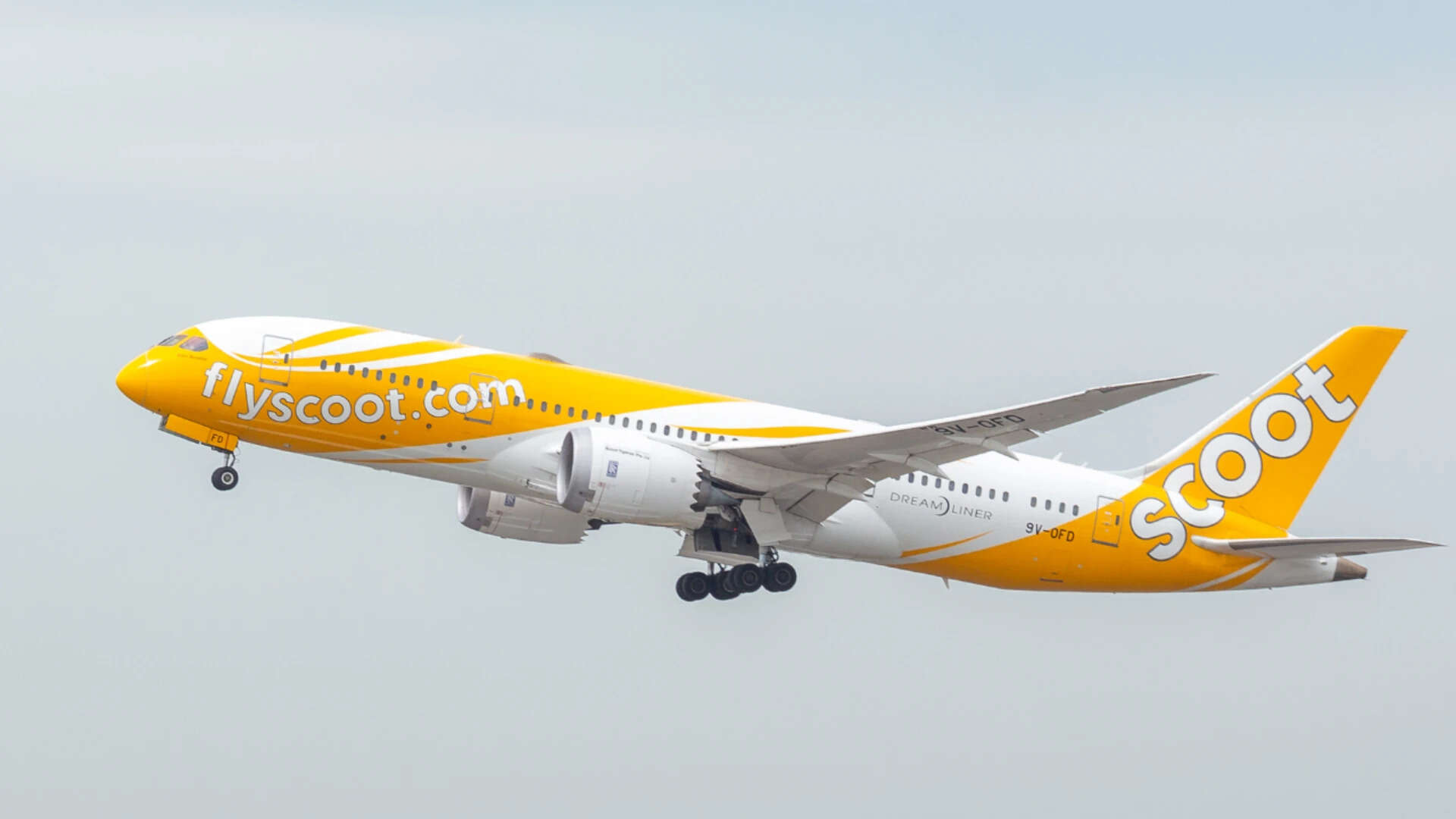
On a recent flight bound for Australia, the hum of the turbines wasn't enough to drown out a violation that transformed a routine journey into a legal and emotional wreckage. A 28-year-old man, an Indian national, now stands accused of sexually assaulting a woman while she was trapped in the confines of her economy seat. He wasn't a phantom in a dark alley. He was the person in the next chair.
The Illusion of Safety in the Clouds
When we board a plane, our anxieties usually drift toward the mechanical. We listen for a change in the engine's pitch. We eye the turbulence with suspicion. We rarely consider the person seated six inches to our left as the primary threat to our safety. Federal and international aviation laws are designed to keep the plane in the sky, but the policing of human behavior inside that sky is a much more complex, often neglected frontier.
Consider the physical reality of a modern flight. Seats are narrower than ever. Armrests are shared territory. In this environment, "accidental" touch is a constant, irritating reality of travel. This physical proximity creates a dangerous fog for predators. They rely on the victim’s hesitation—that split second where a person asks themselves, Did that really just happen? Was that an accident? Am I overreacting?
In this specific case, the allegations suggest the perpetrator didn't just stumble into a gray area. The charges brought by the Australian Federal Police (AFP) involve deliberate, non-consensual sexual contact. The victim wasn't in a position to walk away. At 35,000 feet, there is no "away." There is only the galley, the lavatory, or the seat you are bolted into.
The Law Catches Up at the Gate
The man was met by AFP officers the moment the cabin doors hissed open on Australian soil. It is a jarring image: the cabin lights flicking on, passengers groggily reaching for their carry-on bags, and the sudden, sharp presence of law enforcement moving against the flow of the crowd.
He was charged with one count of sexual assault, an offense that carries a maximum penalty of ten years in prison under Australian law. The authorities were swift in their public stance. Commander Stephen Nutt of the AFP made it clear that the jurisdiction of the air is not a lawless vacuum. He emphasized that the AFP has a "zero-tolerance" approach to such behavior. But the legal proceedings are only the beginning of a much longer, quieter journey for the person who had to endure the flight after the incident occurred.
The logistics of an in-flight assault are uniquely haunting. If an incident happens three hours into a fourteen-hour haul, the victim is forced to remain in the crime scene. Even if flight attendants move the passenger to a different row, the perpetrator is still there, breathing the same air, perhaps watching them from a few rows back. The psychological weight of that remaining time is a secondary assault.
The Invisible Stakes of the Middle Seat
We often talk about "air rage" in the context of too much alcohol or a dispute over a reclined seat. We categorize those as travel inconveniences. Sexual violence, however, belongs to a different category of horror. It strikes at the very core of our autonomy. When it happens on a plane, it highlights a terrifying power imbalance.
The perpetrator assumes a terrifying level of entitlement. They gamble on the victim’s silence, betting that the social pressure of not "making a scene" in a crowded cabin will outweigh the need for justice. They count on the exhaustion of their fellow travelers and the distracted nature of cabin crew who are managing hundreds of needs at once.
This isn't just about one man and one woman on one flight. It’s about the collective safety of every person who buys a ticket. If a cabin isn't safe for a woman traveling alone, it isn't a world-class transit system; it’s a gamble. The "invisible stakes" are our sense of security in the one place where we have the least control over our surroundings.
Beyond the Police Report
The court process will now grind forward. Evidence will be weighed. Statements will be picked apart. The man’s defense will likely hinge on the crowded nature of the cabin or a misunderstanding of intent, as is often the case in these high-altitude legal battles. But the facts reported by the authorities point toward a clear breach of Australian federal law.
The challenge for the aviation industry is to move beyond reactive policing. It isn't enough to wait for the AFP to meet the plane at the gate. There is a desperate need for better training for cabin crew to recognize the grooming behaviors and the subtle red flags of "seat creeping" before an assault escalates.
We need a shift in how we view our neighbors in the sky. We are taught to look for suspicious bags or "strange behavior" regarding the cockpit. We aren't taught to look for the person whose hand is wandering where it doesn't belong under a shared travel blanket.
The Weight of the Long Haul
Imagine the silence of that woman as she waited for the plane to land. Imagine the ticking of the clock, the sound of the beverage cart rolling past, and the blue glow of the seatback screens while her mind raced through the violation she had just experienced. The man in the next seat might have been sleeping or watching a movie, seemingly oblivious to the life he had just upended.
When the wheels finally hit the tarmac and the brakes roared, it wasn't just the end of a flight. For him, it was the beginning of a decade-long reckoning with the law. For her, it was the start of a long process of reclaiming the space that was taken from her.
The sky is vast, but the space we occupy within it is tiny. When someone reaches across that small gap to cause harm, they don't just break the law. They shatter the quiet, essential trust that allows us to fly together through the dark.
The handcuffs that clicked shut at the gate were a necessary ending, but they don't erase the thousands of miles spent in a nightmare that was never supposed to leave the ground.