Mainstream foreign policy coverage reduces global conflict to a schoolyard popularity contest. Journalists frame entire geopolitical crises around whether a president calls a foreign leader a friend or whether an intelligence chief publicly corrects the record. That framing is broken.
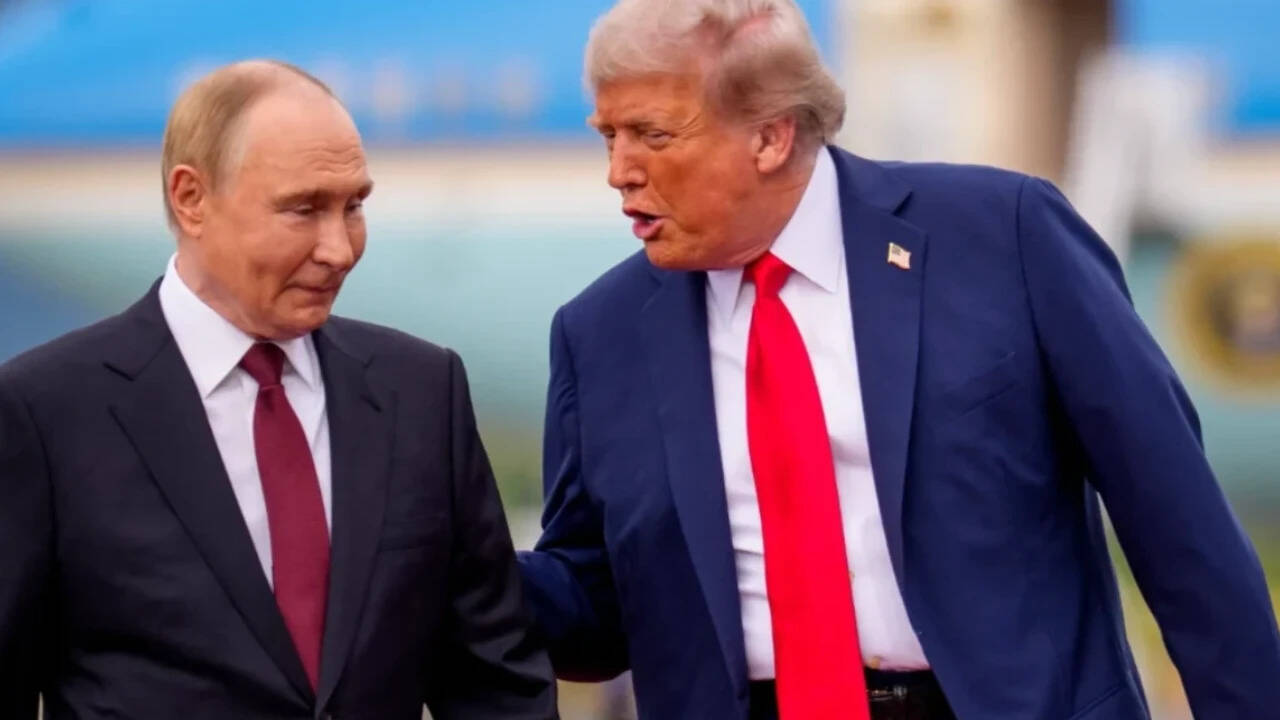
The competitor piece, "He's not America's friend in Ukraine": US spy chief on Putin days after Trump's praise, treats a public divergence in rhetoric between the White House and the intelligence community as the central story of the war in Ukraine. According to the standard media narrative, the core tension in Washington is a battle over personal sentiment—whether Donald Trump views Vladimir Putin favorably versus whether top intelligence officials view him as an adversary.
This consensus misses the structural mechanics of international relations. Foreign policy does not run on personal affinity, and intelligence assessments are not designed to match diplomatic messaging.
The Structural Divide Between Diplomacy and Intelligence
When a U.S. intelligence chief states publicly that Putin is "not America's friend in Ukraine," they are stating a baseline analytical assessment. Intelligence agencies exist to evaluate capabilities, intentions, and threats based on collection and analysis. Under the framework of offensive realism, as articulated by political scientists like John Mearsheimer, great powers operate in an anarchic international system where survival and relative power dictate behavior—not personal goodwill. From Moscow's perspective, preventing NATO expansion into Ukraine is a core security imperative, placing it in direct structural opposition to U.S. strategic dominance in Europe.
Presidential rhetoric, by contrast, operates as a diplomatic instrument. Leaders across administrations have used personalized praise, strategic ambiguity, or public flattery to create negotiating space with adversaries. Critics argue that praising an authoritarian leader legitimizes aggression, weakens allied resolve, and undermines democratic norms. Supporters of transactional diplomacy counter that maintaining open personal channels and avoiding cornering a nuclear-armed rival are prerequisites for de-escalation and negotiated settlements.
Both arguments miss a critical point: rhetoric is a tactic, not a strategy. Treating diplomatic flattery as proof of alignment—or treating an intelligence chief's warning as a rogue rebellion—confuses the distinct institutional roles of the executive branch.
The Lazy Consensus of "Friend vs. Foe" Journalism
Political media thrives on interpersonal conflict because palace intrigue is easier to cover than force posture, industrial capacity, or alliance burden-sharing. Framing U.S.-Russia policy around "praise versus warning" creates several analytical blind spots:
- It equates tone with policy: Observers frequently conflate warm rhetoric with material concessions. In practice, administrations that use conciliatory language toward Moscow have simultaneously maintained heavy sanctions, expanded defense budgets, or approved lethal aid transfers, while administrations using hawkish rhetoric have sometimes imposed strict operational limits on how weapons are used.
- It ignores institutional friction as a feature, not a bug: Friction between the Oval Office and the intelligence community is a recurring pattern in American governance, spanning decades and both political parties. Intelligence officials routinely deliver sober threat assessments that complicate a president's preferred diplomatic narrative—whether regarding Soviet intentions during the Cold War, Iraqi weapons programs in 2002, or Iranian nuclear timelines in 2007.
- It centers Washington's internal drama over battlefield realities: While commentators dissect every adjective used in a press briefing, the trajectory of the war in Ukraine is determined by artillery shell production, air defense interceptor stocks, manpower mobilization, and European defense industrial output.
What Analysts and Policymakers Actually Watch
If personal sentiment is the wrong metric for evaluating U.S. policy toward Russia and Ukraine, what actually matters? Serious strategic analysis looks at concrete indicators rather than press conference soundbites.
1. Material Commitments and Aid Authorities
Rhetoric costs nothing; appropriations and drawdown authorities determine outcomes. Analysts track the volume, timing, and restrictions attached to security assistance packages, intelligence-sharing agreements, and logistics pipelines through NATO hubs in Eastern Europe.
2. Sanctions Enforcement and Secondary Evasion
Public condemnations of Putin do not slow Russia's war economy if enforcement mechanisms leak. The real policy signal lies in how aggressively the Treasury Department targets third-country intermediaries, shadow tanker fleets, and dual-use microelectronics supply chains.
3. Alliance Burden-Sharing and Force Posture
The long-term security architecture of Europe depends on whether European NATO members meet defense spending targets, expand domestic munitions manufacturing, and assume greater responsibility for conventional deterrence—regardless of who occupies the White House.
The Risks of Both Approaches
Neither transactional diplomacy nor rigid ideological containment is without severe downsides. Acknowledging these trade-offs is essential for an honest assessment of U.S. options.
- The downside of personalized diplomacy: Publicly praising an adversary while downplaying allied concerns can fracture coalition unity. Smaller frontline states rely on unambiguous American security guarantees; perceived wavering in Washington can trigger hedging behavior among allies or embolden adversaries to test deterrence thresholds.
- The downside of pure adversarial framing: Refusing diplomatic engagement or framing every compromise as appeasement narrows off-ramps. In a conflict involving a nuclear superpower, eliminating channels of communication increases the risk of miscalculation and escalation without providing a realistic theory of victory.
Reframing the Question
Readers searching for clarity on U.S.-Russia relations are often steered toward the wrong question: "Does the president trust Putin, or does he listen to his spies?"
The better questions are structural:
- What are the defined, achievable U.S. strategic objectives in Eastern Europe?
- How do current diplomatic tactics align with the material resources Congress and European allies are willing to commit?
- What security architecture prevents future conflict once active hostilities pause or conclude?
Until coverage shifts from tracking verbal sparring matches to auditing material leverage, audiences will remain distracted by the theater of foreign policy while missing the mechanics that actually decide wars.