War strips away everything fake. Titles, routines, and everyday comforts vanish the second artillery starts pounding the earth.
Most people panic. Some freeze. But a small fraction of ordinary citizens step directly into the chaos to pull others out.
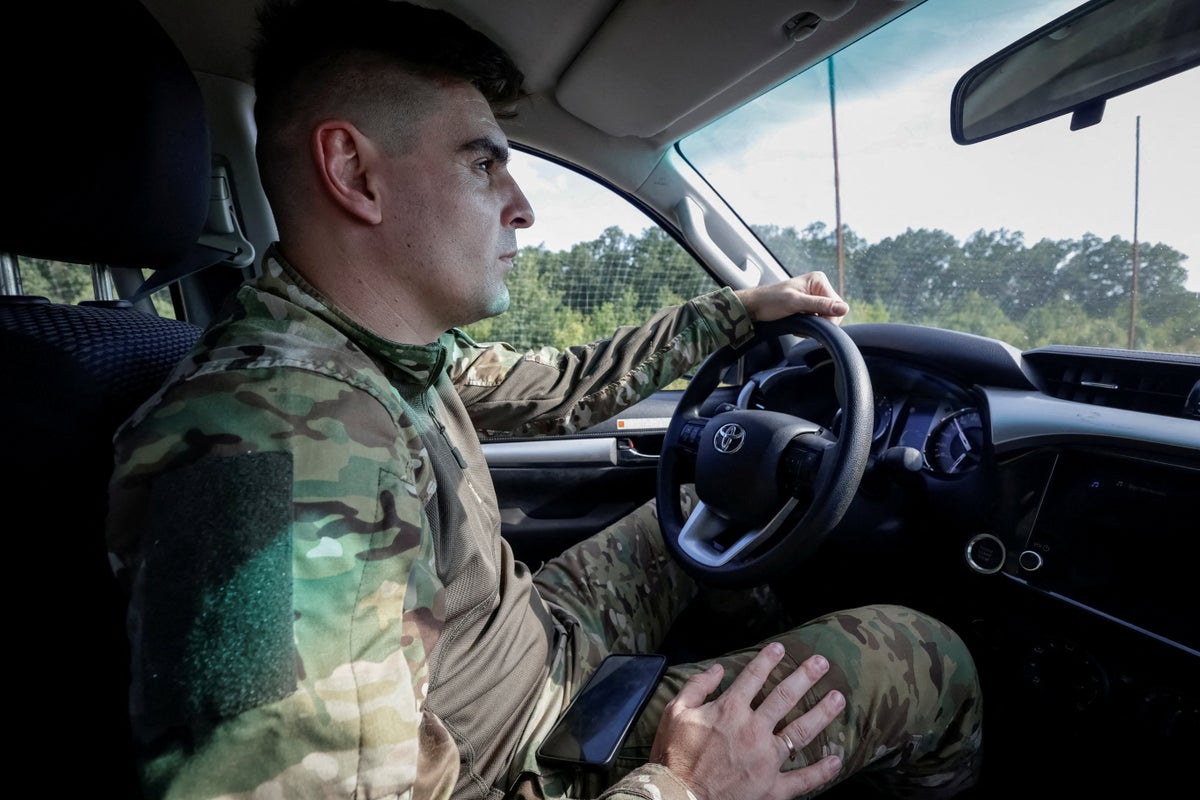
Take the former science teacher who earned the Hero of Ukraine medal. This wasn't about textbook theories or classroom management. It was about raw courage under fire, driving straight through a high-threat zone where normal vehicles refuse to go.
Let's look at what actually happens when an educator trades lesson plans for frontline evacuation, and why stories like this cut straight through the noise of modern conflict reporting.
The Reality of Frontline Evacuations
Frontline combat zones aren't tidy lines on a tactical map. They are fluid, muddy, unpredictable environments dominated by drone surveillance and relentless artillery shelling.
When soldiers take shrapnel or blast injuries, the first golden hour dictates whether they survive. Medics face impossible choices. If ambulances cannot reach the trench networks because of direct fire, wounded troops face agonizing waits.
That is where civilian volunteers and unconventional recruits step in. They modify ordinary pick-up trucks with scrap metal armor, rip off the doors to shave precious seconds off extraction times, and barrel down dirt roads choked with smoke.
You don't learn that kind of crisis response in a university lecture hall. You learn it by watching friends bleed and deciding you refuse to let another person die in the mud.
Why Science Teachers Make Unlikely Frontline Rescuers
People often assume frontline roles belong exclusively to career soldiers. That assumption is dead wrong.
Modern warfare relies heavily on adaptable problem-solvers. Teachers spend years managing high-stress environments, unpredictable human behavior, and complex logistical puzzles with zero resources.
When an educator moves from the chalkboard to a combat medic role, those same traits show up in different ways:
- Calm under pressure: Panic is contagious, but steady focus keeps everyone alive.
- Methodical execution: Treating a tension pneumothorax or packing a severe wound leaves no room for guesswork.
- Deep local trust: Communities rally around teachers they already know and respect.
This particular science educator didn't just drive fast. They calculated trajectories, anticipated artillery patterns based on sound and timing, and used every ounce of analytical thinking to outmaneuver incoming strikes. Physics matters a lot more when shrapnel is flying past your windshield.
The Cost of True Bravery
Medals like the Hero of Ukraine carry immense weight. They represent the highest tier of national gratitude, but they are forged in absolute tragedy.
Every successful rescue run means someone survived a horrific encounter. It also means dozens of others didn't make it, or that the psychological toll on the rescuer compounds with every mission.
We love heroes in headlines because they offer clean narratives of good versus destruction. Yet, the people living these realities every single day will tell you that heroism is exhausting, messy, and terrifying.
Nobody wakes up hoping to sprint through a kill zone. They do it because the alternative—abandoning someone to die alone—is entirely unacceptable.
What We Can Learn From Frontline Resilience
Reading about extraordinary acts of courage forces a hard look at our own daily comfort zones. Most of us will never have to floor the accelerator while mortar rounds impact fifty yards away.
Even so, the core principle remains identical. When a crisis hits your community, your workplace, or your family, waiting for someone else to fix the problem is a losing strategy.
Look for ways to build your own capacity for high-stress decision-making. Learn basic trauma care. Keep your head clear when chaos erupts around you. Support the local networks and volunteer groups keeping frontline defenders alive day after day.
Courage isn't some rare genetic trait reserved for history books. It is a choice made repeatedly in the worst possible moments.


