The financial press loves a neatly packaged narrative. Whenever oil prices slide, the headlines follow a predictable script: OPEC+ convenes, members agree to a "modest, coordinated increase" or a "strategic cut," and analysts pretend these nations act like a disciplined corporate board.
It is a comforting illusion. It is also entirely wrong.
The recent announcement that seven OPEC+ nations agreed to modestly expand monthly oil production as prices slide is being treated by mainstream commentators as a sign of cartel stability and calculated market management. In reality, it is a desperate attempt to codify what was already happening behind closed doors. The cartel is not managing the market; the market is managing them.
Treating OPEC+ decisions as a unified strategy ignores the basic laws of economic survival. When prices dip, cartel members do not voluntarily tighten their belts in perfect harmony. They cheat. They scramble for market share. The latest "agreement" is not a masterstroke of economic diplomacy—it is a PR fig leaf hiding a fracturing alliance.
The Myth of the Compliant Cartel
Mainstream financial media operates under the flawed premise that a press release from Vienna instantly alters global crude flows. I have spent years tracking physical oil flows and analyzing supply chains, and if there is one constant in this industry, it is that paper agreements do not equal physical barrels.
To understand why the "modest expansion" narrative is flawed, you have to look at the internal math of the member states. Countries like Iraq and Kazakhstan have consistently blown past their production quotas for years. Why? Because their domestic budgets require immediate cash flow to prevent political unrest.
When a cartel announces a "modest increase" during a price downturn, it is almost never a proactive choice. It is a reactive concession to reality. The leading producers—primarily Saudi Arabia—know that if they do not allow a formal expansion of quotas, their partners will simply pump the oil anyway and sell it on the gray market at a discount. By legitimizing the increase, Riyadh attempts to maintain the illusion of control.
Consider the mechanics of cheating within a cartel. Economists define this via the classic prisoner's dilemma. If every country cuts production, the price goes up, and everyone wins. But if Country A cuts while Country B secretly pumps at maximum capacity, Country B wins twice over: they get higher prices and higher volume. When prices slide, the temptation to maximize volume to protect baseline dollar revenue becomes overwhelming.
The US Shale Specter
The mainstream narrative completely misses the structural shift in global energy geography. The old playbook dictates that when OPEC+ adjusts the spigot, the world recalibrates. That playbook belongs in a museum.
Every time OPEC+ artificiality restricts supply to prop up prices, they hand a gift-wrapped market share to non-OPEC producers, specifically US shale operators in the Permian Basin.
"High prices cure high prices." — Old Oilfield Adage
The mechanics are brutal for the cartel:
- The Price Floor: OPEC+ cuts create a synthetic price floor (e.g., $75 a barrel).
- The De-risking: This floor allows US independent producers to hedge their production for the next 12 to 24 months.
- The Capital Inflow: With guaranteed returns locked in, Wall Street pours capital back into drilling, driving US production to record highs.
By attempting to micro-manage the global price, OPEC+ has essentially subsidized the technological evolution of its fiercest competitor. US shale is no longer the frantic, debt-fueled wildcatter industry of 2014. It is an efficient, manufacturing-style machine that can generate free cash flow even if prices drop significantly lower than the fiscal breakeven points of most Gulf nations.
The Fiscal Breakeven Delusion
People frequently ask: "Isn't it in Saudi Arabia's interest to keep prices high to fund their massive infrastructure projects?"
Yes, it is. But wanting a high price and having the leverage to enforce it are two entirely different things.
The structural flaw in the "OPEC+ controls the market" argument is the massive divergence in fiscal breakeven prices across the alliance. Saudi Arabia requires oil to be comfortably above $80 a barrel to balance its ambitious domestic budget. Meanwhile, countries like the UAE have invested heavily in expanding their maximum capacity and want to monetize those investments now, not a decade from now when demand may peak.
This creates an unsustainable friction point. The UAE, having spent billions upgrading facilities like the Upper Zakum field, wants to produce at volume. Forcing them to sit on idle capacity to support Saudi domestic spending projects is a recipe for internal revolt. The "modest expansion" is a direct compromise to prevent the UAE from walking out of the alliance entirely, an event that would cause a permanent collapse of the cartel's pricing power.
How to Read the Oil Market (The Contrarian Playbook)
If you want to understand where oil prices are actually going, ignore the official OPEC+ communiqués. They are lagging indicators designed to smooth over volatility and placate algorithmic trading desks. Instead, focus on the structural metrics that actually dictate physical reality.
1. Monitor the Refinery Margins (Cracks)
The real demand for oil doesn't happen at the wellhead; it happens at the refinery. Watch the "crack spread"—the difference between the price of a barrel of crude and the wholesale price of the petroleum products (gasoline, diesel, jet fuel) refined from it. If crack spreads are compressed, refineries will slow down utilization rates, regardless of how much crude OPEC+ decides to release. High crude supply met with weak refinery demand always equals a price crash.
2. Track Time Spreads, Not Flat Price
The headline price of Brent or WTI crude is highly volatile and driven by speculative paper trading. To see what physical traders are actually doing, look at the time spreads between the front-month contract and contracts six months out.
- Backwardation (Front month is more expensive than future months) indicates immediate physical tightness.
- Contango (Front month is cheaper than future months) indicates a massive physical glut.
If OPEC+ announces a production cut but the market remains in contango, the cut is a phantom.
3. Gauge the True Iranian and Russian Flows
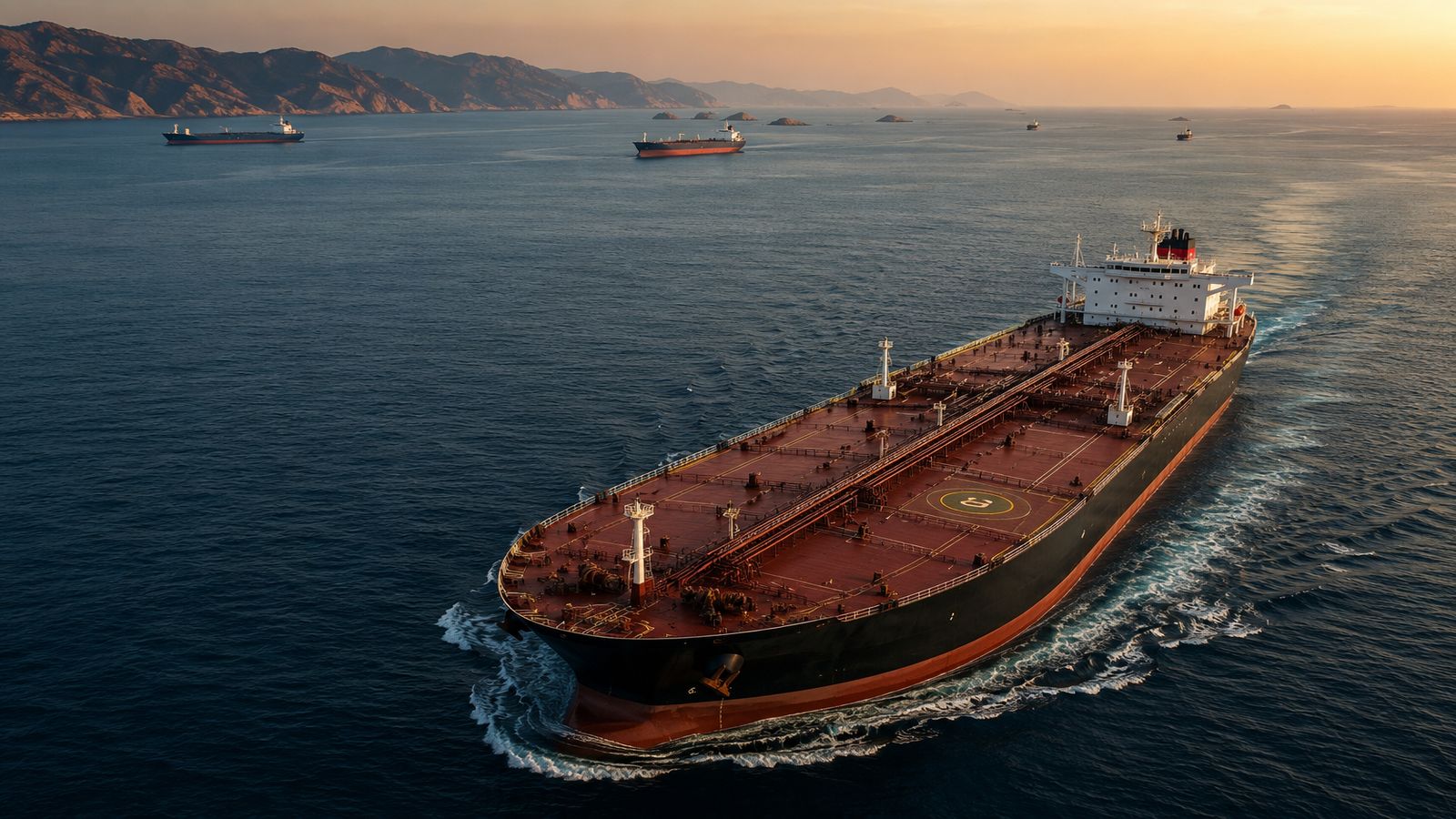
A significant portion of global crude travels via the "shadow fleet"—sanctioned tankers operating without standard transponders or insurance. Russia, Iran, and Venezuela move millions of barrels a day outside of official accounting channels. When OPEC+ announces strict quotas, these shadow flows often surge to pick up the slack, rendering official production metrics useless.
The Downside of Disruption
Taking a contrarian view requires admitting the limitations of your own thesis. If you bet entirely against OPEC's relevance, you risk getting caught flat-footed by a geopolitical black swan.
While the cartel cannot easily force prices up through voluntary compliance, they retain an absolute, devastating ability to force prices down. If Saudi Arabia decides that the cheating within the alliance has grown intolerable, they have the ultimate nuclear option: the market share war.
We saw this in 1986, in 2014, and briefly in March 2020. Riyadh can turn on the taps completely, flood the world with the cheapest-to-produce crude on earth, and crash the price into the $30s to punish cheaters and crush high-cost Western producers.
It is a high-risk strategy that burns through their own sovereign wealth funds, but it remains the only real lever of absolute power they possess. The current "modest expansion" is the uneasy peace before that potential storm. It is not an act of strength; it is a tactical stall.
Stop looking at OPEC+ as a monolithic entity capable of fine-tuning global GDP. They are a loose confederation of competing nations trapped in an economic cage match, desperately trying to maintain relevance in a world that is learning to price energy without them.
Stop buying the narrative. Watch the physical barrels, watch the time spreads, and ignore the press releases.