The Middle East has shifted from a state of managed friction to a full-scale regional conflagration. Following the confirmed death of Iranian Supreme Leader Ayatollah Ali Khamenei in a coordinated U.S.-Israeli strike, President Donald Trump has committed to a campaign of "avenging" fallen American troops, signaling that the current military offensive is far from a limited engagement. Three U.S. service members were killed in Kuwait during the initial waves of Iranian retaliation, a loss that has hardened the administration's resolve to pursue what it describes as "regime change" under the banner of Operation Epic Fury.
This is no longer the shadow war that has defined the last decade. It is a direct, kinetic attempt to dismantle the Islamic Republic's command structure. While the competitor's reports focus on the immediate exchange of fire, the deeper reality is a calculated gamble that the death of Iran’s top leadership will trigger a domestic uprising before the regional blowback becomes unmanageable.
The Strategy of Decapitation
The strikes that began on February 28, 2026, were designed to be surgically catastrophic. By targeting the Pasteur district in Tehran, U.S. and Israeli forces didn't just hit buildings; they eliminated the ideological and operational heart of the Iranian state. Intelligence suggests that along with Khamenei, nearly 50 senior officials—including the heads of the IRGC and the regular military—were neutralized in the opening 48 hours.
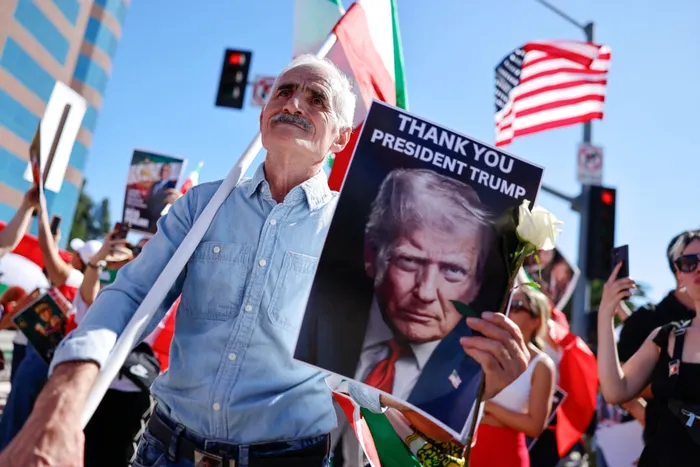
This "decapitation strike" strategy assumes that the Iranian state is a house of cards. The administration is betting that the IRGC, now leaderless and with its headquarters "razed to the ground," will fracture rather than regroup. Trump’s public offer of "complete immunity" to any Iranian soldier who lays down their arms is a psychological warfare tactic aimed at accelerating this collapse.
However, the "why" behind this sudden escalation goes beyond mere deterrence. Sources indicate that the collapse of nuclear negotiations in Oman earlier this year left Washington convinced that Tehran was weeks away from a deliverable nuclear warhead. This wasn't a choice made in a vacuum; it was a pre-emptive strike born of the belief that a nuclear-armed Iran would be untouchable.
The Cost of Vengeance
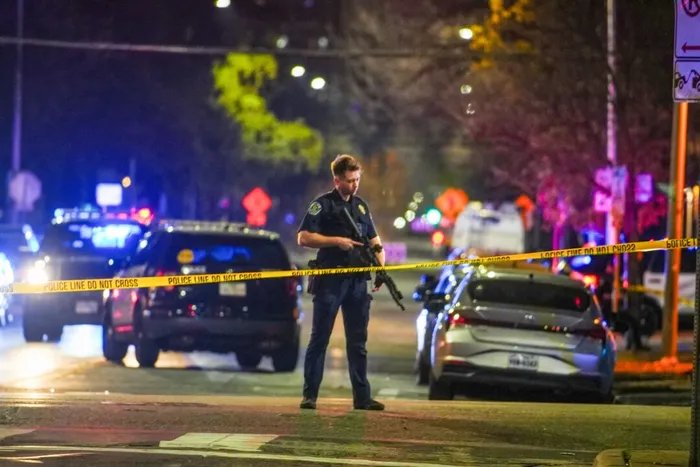
Revenge is a powerful political motivator, but it is a volatile military objective. The three soldiers killed in Kuwait—part of a logistics unit—represent the first American combat deaths of this new phase. In response, the Pentagon has unleashed B-2 stealth bombers and Tomahawk missiles on a scale not seen since the 2003 invasion of Iraq.
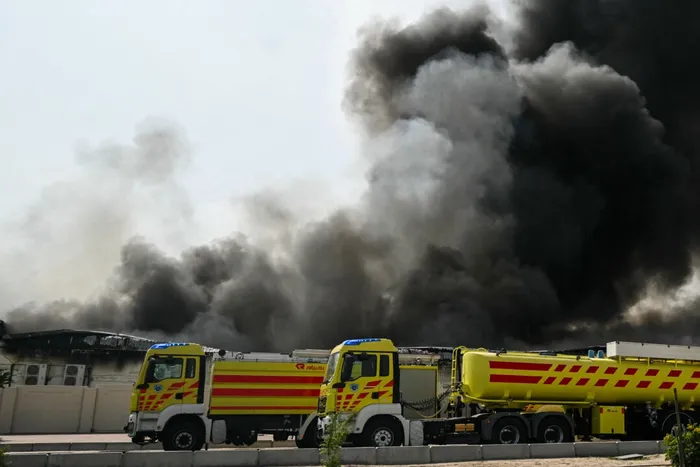
The strikes have not been one-sided. Iran’s "thousand-point" retaliation strategy has targeted U.S. bases in Qatar, Bahrain, and the UAE. More significantly, civilian infrastructure across the Gulf is now in the crosshairs.
- Dubai International Airport: Major damage reported, halting global transit.
- Oil Infrastructure: Tankers in the Strait of Hormuz have been harassed or struck by one-way attack drones.
- Regional Alliances: While Saudi Arabia and the UAE have publicly called for restraint, private diplomatic channels suggest they are bracing for a prolonged conflict that could decimate their tourism and energy sectors.
The "Epic Fury" codename isn't just hyperbole. It reflects a shift in American doctrine where the threshold for using overwhelming force has been lowered. The objective is to achieve in four weeks what previous administrations failed to do in four decades.
A Precarious Power Vacuum
The most significant overlooked factor is the lack of a clear "Day After" plan. History shows that when a dictator falls, the resulting vacuum is rarely filled by the liberal democrats Washington envisions. Iran is a country of 93 million people with a deeply entrenched security apparatus. Even with the top tier of leadership gone, the "layered elite" mentioned by regional analysts remains a potent threat.
If the Iranian people do not rise up as Trump has urged, the U.S. faces the prospect of an unconventional war against a desperate, decentralized insurgency. There is also the "wounded animal" factor. Iran still possesses a significant stockpile of ballistic missiles hidden in "missile cities" deep underground. If the IRGC believes its existence is at stake, the "red lines" regarding chemical or biological payloads may no longer hold.
The Economic Shrapnel
Monday's markets are expected to react with predictable violence. With Maersk and other shipping giants suspending transit through the Strait of Hormuz, the global supply chain is facing a bottleneck that could trigger an immediate spike in crude prices. The administration’s gamble depends on a quick victory. If the conflict drags beyond the "four-week" window Trump has predicted, the domestic political appetite for another "forever war" in the Middle East will likely evaporate, regardless of the rhetoric regarding fallen heroes.
The U.S. is currently engaged in the most complex military offensive in modern history. The objective is total victory, but the variable is an adversary that has spent forty years preparing for exactly this scenario.
Would you like me to analyze the specific impact of these strikes on global oil prices or the current status of the Iranian "missile cities"?