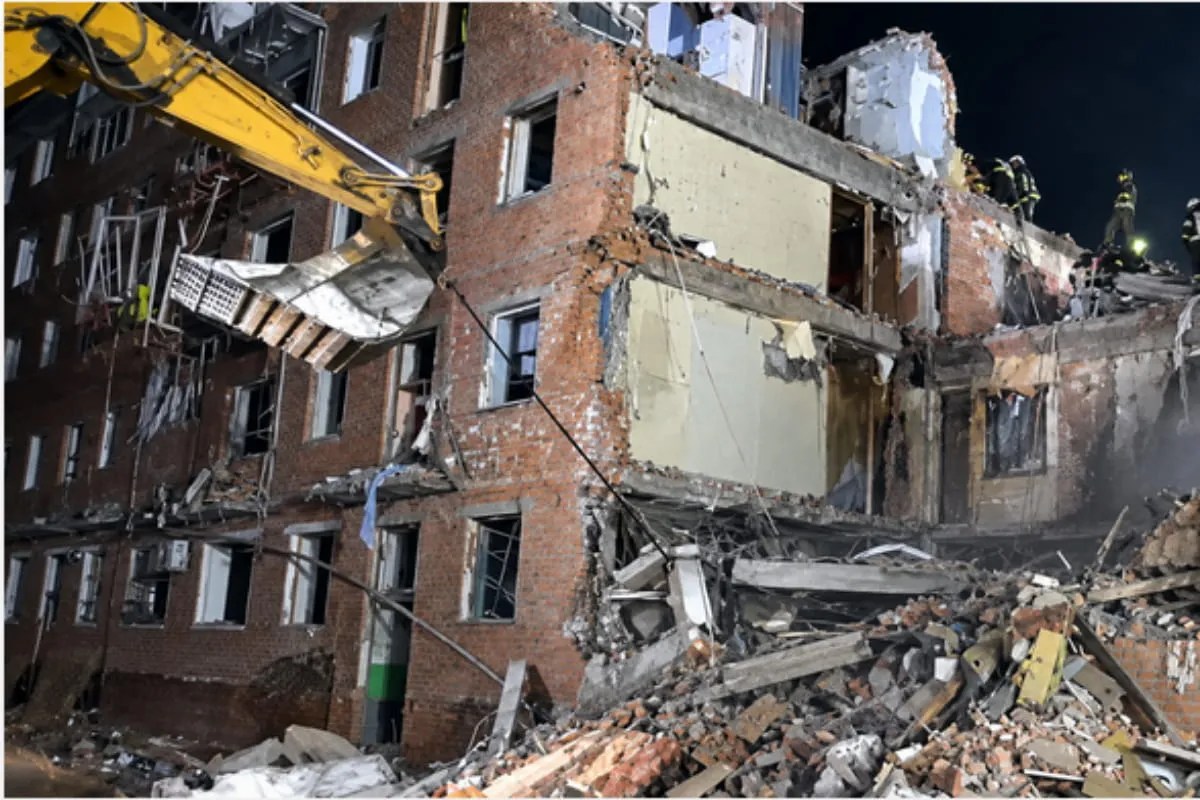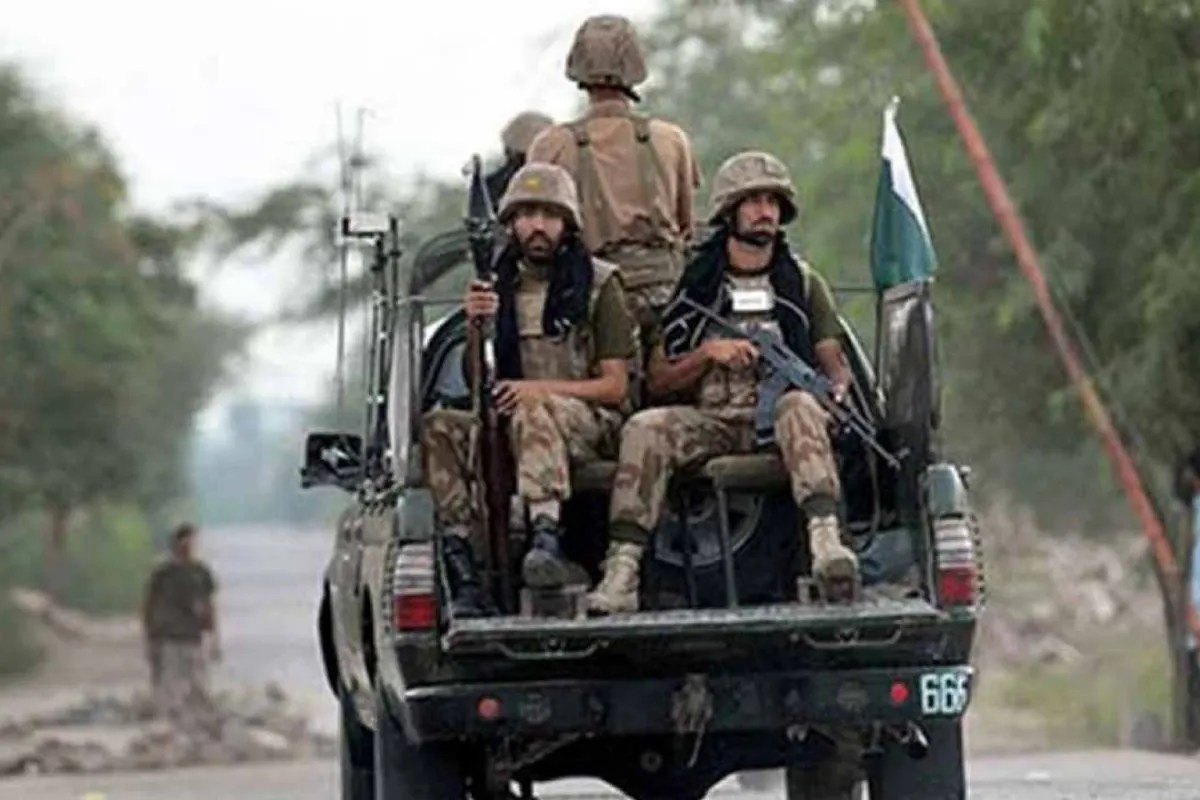
Another day, another heavily publicized military operation in Pakistan's restive border regions. Officials announce the neutralization of several armed fighters, claiming a decisive blow against insurgent networks. Yet, the cycle repeats itself with exhausting predictability. When nine militants recently met their end during security sweeps, state media framed it as a major victory. But seasoned observers know the real story runs much deeper than daily casualty counts.
Security forces face an uphill battle in terrain that favors guerrilla tactics. The rugged mountains and porous borders allow armed groups to slip away, regroup, and strike again when pressure eases. Writing off these insurgent networks based on a single successful skirmish ignores decades of geopolitical reality.
The Root Causes of Persistent Insurgency
You can't bomb your way out of a structural crisis. Economic stagnation, lack of local governance, and deep-seated political grievances create fertile ground for radicalization. When young people see zero economic prospects or legal recourse, extremist recruiters step into the vacuum.
State strategies historically relied too heavily on kinetic force while neglecting civil administration. Kinetic operations disrupt command structures temporarily, but they fail to win hearts and minds. Without parallel investments in infrastructure, education, and employment, military sweeps become a perpetual game of whack-a-mole.
Intelligence coordination remains another persistent stumbling block. Fragmented communication between regional command centers and federal agencies allows high-value targets to evade detection. Analysts point to recurring gaps in border fencing management and local intelligence gathering as critical vulnerabilities.
Changing Tactics on the Ground
Military planners adapted by deploying specialized units trained in counter-terrorism and mountain warfare. These small, agile teams operate with better night-vision gear and encrypted communication systems than their predecessors.
Still, technological superiority doesn't substitute for community trust. Locals caught in the crossfire often view security sweeps with suspicion, especially when curfews disrupt daily commerce and agriculture.
What Actually Needs to Happen
Breaking this cycle requires a fundamental shift in how the state handles restive districts.
- Integrate local law enforcement: Build professional, community-rooted police forces instead of relying entirely on federal troops.
- Secure economic pipelines: Open official trade routes and fund local industries to undercut smuggling economies that finance armed groups.
- Prioritize political dialogue: Address legitimate civil grievances through legislative channels rather than defaulting to emergency decrees.
Ignoring these steps guarantees that next month's casualty reports will look identical to last month's. Real security comes from stability, not just high body counts.