Governments don't clamp down on journalists when things are going great. They pull the emergency brake when the narrative spins completely out of control. Pakistan's latest bureaucratic trap requires international reporters to secure a No Objection Certificate before stepping outside Islamabad, Lahore, or Karachi. This isn't normal administrative red tape. It's a calculated move designed to blind global audiences to what's actually happening on the ground.
If you're wondering why Islamabad suddenly introduced these rigid Foreign Media Facilitation Guidelines, you just have to look at the burning streets of Pakistan-occupied Kashmir.
The Breaking Point in PoK
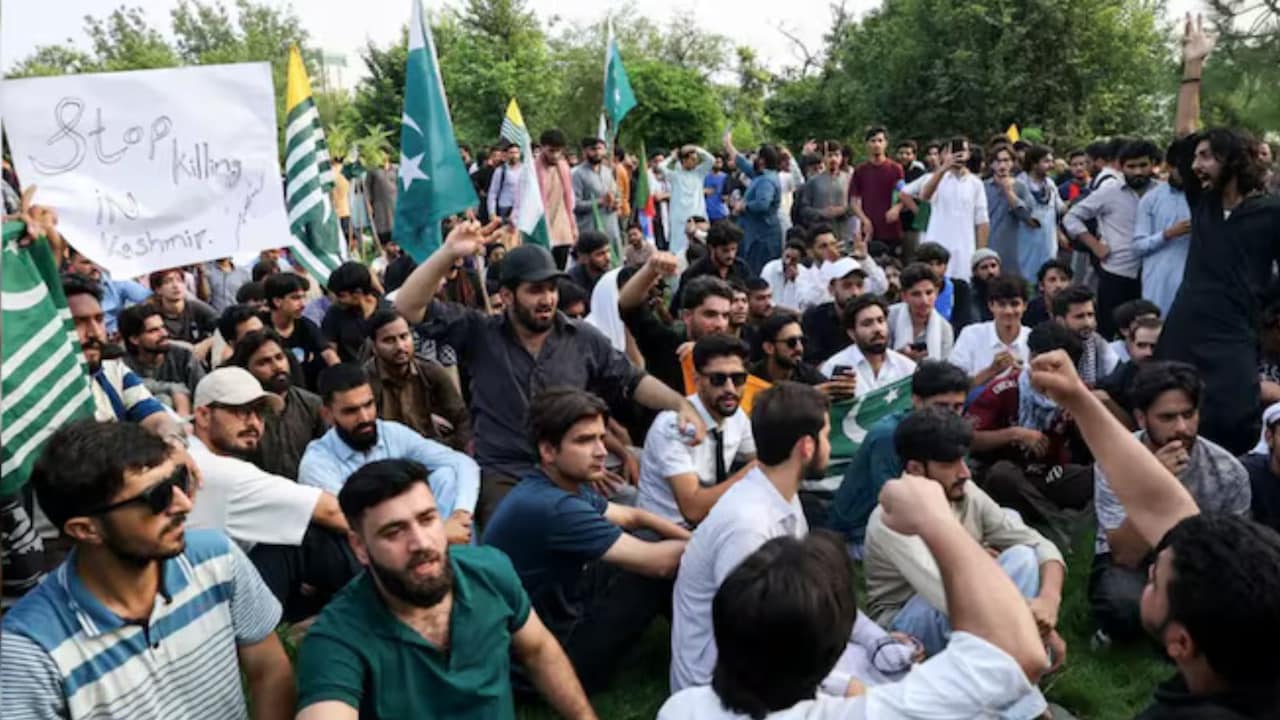
Massive demonstrations have erupted across Pakistan-occupied Kashmir over governance failures, economic distress, and a deeply disputed local election process. Protesters are furious. Activists report that over 150,000 people have joined demonstrations, demanding basic civil rights and political freedom.
Instead of addressing public grievances, authorities rolled out the tanks, imposed internet blackouts, and cracked down hard. Eyewitness accounts and international rights organizations like Amnesty International and the Committee to Protect Journalists have accused security forces of using excessive force, resulting in heavy civilian casualties.
When global news networks started broadcasting these grim realities, Islamabad panicked.
Inside the New Media Diktat
Under the fresh rules issued by the Ministry of Information and Broadcasting's External Publicity Wing, foreign correspondents can no longer pack a bag and travel to a hotspot to cover a developing story.
- You operate freely only in Islamabad, Lahore, and Karachi.
- Traveling anywhere else for a news report, documentary, or social media video requires a mandatory NOC.
- Even personal leisure trips to places like Murree require government clearance.
- Freelancers, local fixers, production houses, and translators must register with the government or face severe penalties.
It doesn't stop at travel restrictions. Major international broadcasters like Al Jazeera found their websites restricted inside the country after airing deep dives into the election violence and state crackdowns in PoK. The information ministry dismissed the coverage as "yellow journalism" and anti-state propaganda.
Why This Strategy Always Backfires
Islamabad wants to gatekeep reality. They want QR-coded accreditation cards to act as leashes, threatening to revoke credentials if any reporter crosses undefined red lines regarding state security or public order.
Yet, digital borders are porous. Restricting legacy foreign media doesn't stop citizen journalists, encrypted messaging apps, and resilient local activists from broadcasting the truth. Total information blackouts only confirm to the world that there is something massive being hidden.
Check your sources, look past official government press releases, and pay attention to independent digital reporters who refuse to be silenced by bureaucratic permission slips.