Geopolitical shocks thousands of miles away rarely stay confined to foreign policy briefings. When conflict flared in the Middle East, global energy markets reacted instantly. Crude prices surged, shipping lanes faced disruptions, and import-dependent economies felt the immediate shockwave. For Pakistan, a nation already navigating a fragile financial recovery and strict international loan terms, the spike in energy costs created an immediate domestic crisis.
Prime Minister Shehbaz Sharif's administration rolled out targeted fuel subsidies aimed at shielding over nine million low-income citizens from skyrocketing petrol and diesel prices. Let's look at why this policy matters, how it operates on the ground, and the heavy pressure Islamabad faces from global financial institutions to pull the plug on it. If you liked this article, you should read: this related article.
The Real Cost of Imported Energy
Pakistan imports a massive share of its daily petroleum needs. When the regional war involving the United States and Iran disrupted Middle Eastern energy supplies earlier this year, domestic fuel prices climbed by over fifty percent.
If you drive a car or ride a motorcycle for daily errands in Lahore, Karachi, or Islamabad, you felt that hit right away. But for millions of daily wage earners, delivery riders, rickshaw drivers, and small-car commuters, a fifty percent jump in fuel isn't just an inconvenience. It completely destroys household budgets. Transport costs spiked, food prices followed suit, and public anger reached a boiling point. Political groups threatened widespread street protests and marches toward the capital if the government failed to intervene. Prime Minister Sharif had to act fast to prevent widespread civil unrest. For another look on this development, see the recent update from Reuters.
How the Subsidy Mechanism Works
Instead of slashing general fuel taxes across the board—which would drain state revenues by subsidizing wealthy drivers in luxury SUVs—the government designed a targeted digital relief program.
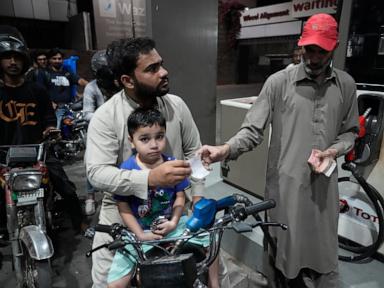
The mechanics are straightforward yet heavily digitized. Eligible motorists, including motorcycle riders, rickshaw operators, and owners of small displacement cars, qualify for weekly or monthly relief tokens. For instance, motorcycle and three-wheeler operators typically receive a direct discount quota—such as a 500-rupee weekly relief limit distributed through SMS token systems managed in collaboration with telecom authorities.
By focusing exclusively on working-class commuters who depend on their vehicles to earn a living, the state attempted a delicate balancing act. They tried to keep transport moving without completely bankrupting the national treasury. Registration numbers swelled quickly, with millions of tokens redeemed at fuel stations across the country as drivers scrambled to offset prewar pricing differences.
The Clash With International Lenders
Subsidies sound great in theory, but international creditors view them with extreme suspicion. Pakistan relies heavily on financial bailout packages and tranches from the International Monetary Fund (IMF) to stave off default.
The IMF maintains a rigid stance on energy subsidies. International economists argue artificial price controls distort the market, drain vital public funds, and benefit unintended recipients over the long term. Recently, the IMF reiterated its position, pressing Islamabad to phase out these fuel support schemes entirely. They argue that any future assistance must remain strictly time-bound, tightly targeted, and fully absorbed within the existing fiscal year budget framework rather than relying on deficit spending.
This puts the Pakistani government in a brutal corner. On one side, continuing the subsidies keeps basic transport affordable for millions of impoverished families and prevents social upheaval. On the other side, abandoning the relief program risks alienating the international lenders keeping the national economy afloat.
Balancing public survival against macroeconomic stability remains an ongoing challenge. As regional energy markets fluctuate and international pressure mounts, the future of these targeted fuel cushions remains uncertain. The coming months will show whether Islamabad can find a sustainable middle ground or if rising costs will force another painful pivot.