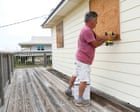
Every single year, the calendar flips to summer, a low-pressure system spins off the coast of Africa or into the Caribbean, and media outlets lose their collective minds over the first named storm. This year, the hysteria hit early with Isaias punching above its weight as the initial Atlantic hurricane of the 2026 season. Meteorologists hyperventilate on cable news, coastal property owners panic-buy bottled water, and insurance executives quietly recalculate their quarterly bonuses while watching the live radar loops.
It is predictable, lazy theater. And it completely misses how modern meteorology and disaster economics actually operate.
Let us dismantle the core misconception driving this annual freakout: the dangerous illusion that the chronological sequence of a hurricane matters more than its structural vulnerability.
The Chronology Trap
The lazy consensus in mainstream weather reporting treats the first hurricane of the season as a bellwether for total destruction. If Isaias arrives early, the talking heads immediately dust off doomsday projections for a hyperactive season that will level coastal infrastructure from Texas to Maine.
That is not how atmospheric physics or historical data works.
Statistically, the calendar date of the first hurricane has zero correlation with the cumulative destructive power of a season. A basin can produce three early, weak hurricanes in June and July and then flatline into an El Niño-suppressed drought for August and September. Conversely, a dormant summer can explode into a Category 5 nightmare in October. Yet, every single time a storm gets a name in the first half of the season, the panic machine spins up the exact same tired narrative.
I have spent years analyzing disaster response spending and insurance risk modeling. I have watched municipal governments blow millions of dollars on knee-jerk emergency declarations for weak systems that barely knock down a few rotten pine branches, while completely ignoring the chronic, unglamorous infrastructure updates needed to handle a 100-year flood event on a sunny Tuesday.
Why Your Emergency Plan is Worthless
When a storm like Isaias tracks across the warm waters of the Atlantic, the standard playbook tells you to tape your windows, stock up on non-perishable canned goods, and check your evacuation routes.
That advice belongs in 1952.
If you live in a flood zone and your evacuation plan relies on jumping onto a major interstate highway with two million other terrified residents four hours before landfall, your plan is not a plan. It is a suicide pact in gridlock.
The real vulnerability is not the wind speed printed on the National Hurricane Center advisory. The real vulnerability is systemic fragility. Modern power grids are optimized for maximum profit and lean staffing, meaning a Category 1 storm with strange wind vectors can snap wooden utility poles and plunge an entire metropolitan area into darkness for two weeks.
We do not have a wind problem in coastal regions. We have an undergrounding problem. We have a zoning enforcement problem. We keep building multi-million-dollar developments in low-lying salt marshes and then acting surprised when sea-level rise and storm surges turn the first-floor parking garage into an aquarium.
The Economics of Catastrophe Marketing
Why does the media industrial complex treat every tropical disturbance like an impending extinction-level event?
Follow the advertising revenue and the click-through rates. Fear is the most lucrative commodity on the internet.
When weather apps push urgent red-alert notifications for a disorganized tropical wave three thousand miles out in the open ocean, they are trading your peace of mind for ad impressions. Insurance companies use the same inflated panic to justify compounding rate hikes, pricing working-class families out of coastal insurance markets while posting record profits.
It is a closed loop of manufactured urgency.
Stop looking at the spaghetti models on cable television. Stop treating the first hurricane of the season as a personal existential threat. If you live on the coast, your safety was decided the day you bought a home with inadequate drainage or failed to reinforce your roof decking. Taping your living room windows 24 hours before landfall will not save a poorly engineered structure.
Fix your foundation, harden your electrical supply, demand smarter municipal zoning, and stop letting headline-chasing forecasters dictate your blood pressure every time a cloud spins in a circle.
The storm will pass. The media circus will move on to the next panic. Make sure you are building for reality, not ratings.