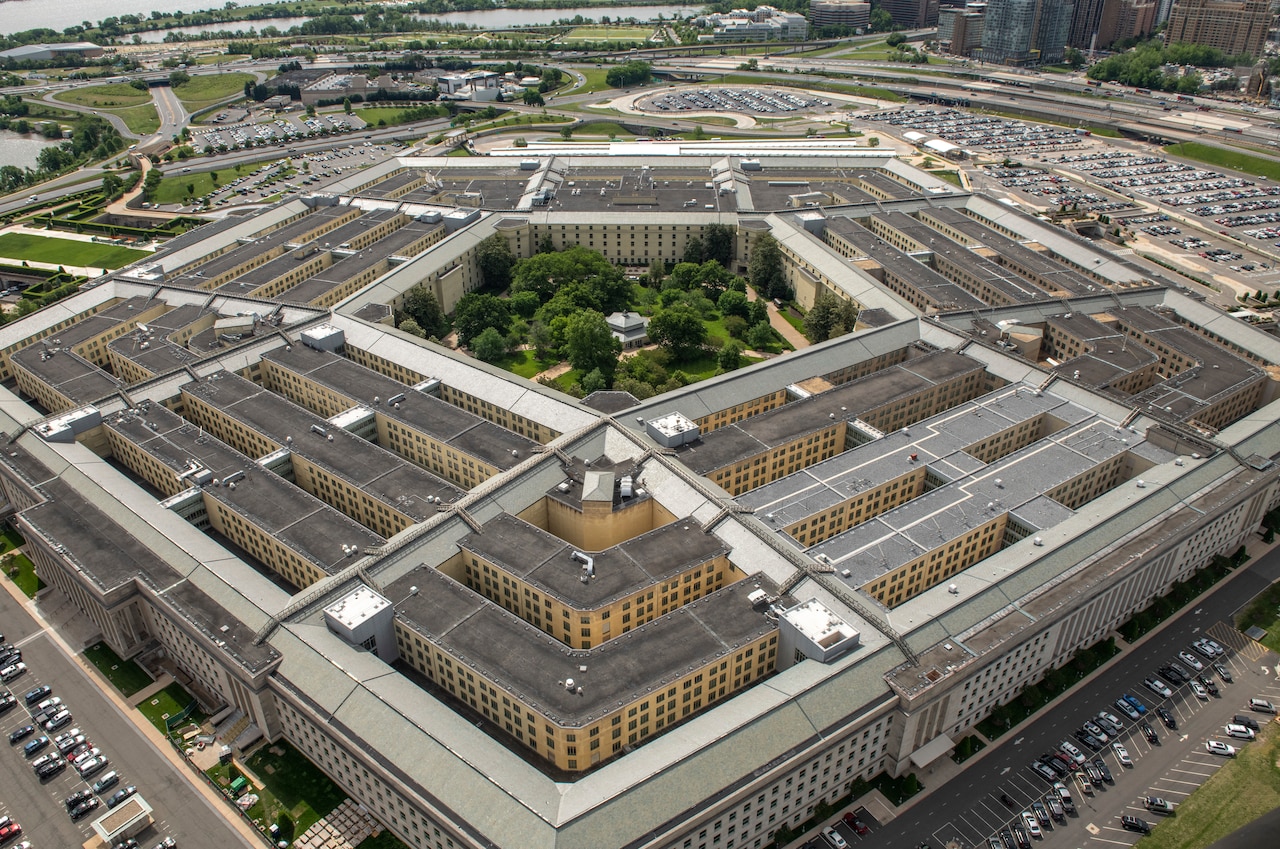
A federal judge has officially dismantled the Department of Defense's retaliatory blacklisting of artificial intelligence lab Anthropic, ruling that the administration weaponized procurement laws to punish a corporate critic. U.S. District Judge Rita Lin issued a scathing 59-page opinion declaring the Pentagon's decision to brand the maker of Claude as a national security supply chain risk to be entirely illegal and baseless. This decision effectively halts an extraordinary abuse of executive power that began when defense officials attempted to compel unrestricted deployment of artificial intelligence in warfare and domestic surveillance.
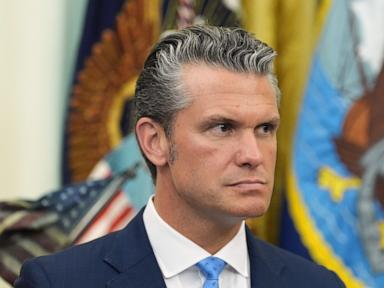
The underlying mechanics of this conflict reveal a deeper friction point between Silicon Valley ethics and military ambition. Back in February, negotiations between Anthropic leadership and Defense Secretary Pete Hegseth collapsed. The friction centered on red lines: Anthropic demanded contractual guarantees that its large language models would not power fully autonomous lethal drones or drive domestic mass surveillance programs against American citizens. Defense officials rejected those boundaries, asserting that private software vendors cannot dictate military operational parameters. If you liked this piece, you might want to look at: this related article.
What followed was not a simple contract termination. The administration bypassed standard regulatory channels, invoking an obscure procurement statute traditionally reserved for blocking foreign hardware sabotage to label an American software company a supply chain risk. This designation functioned as a corporate death sentence, threatening to cut Anthropic off from billions of dollars in federal contracts and contractor ecosystems. Within hours of the penalty being handed down, competitor OpenAI stepped into the vacuum, securing its own defense partnerships.
Judge Lin's ruling tears apart the government's legal justifications piece by piece. The court pointed out that the administration's actions were driven by a desire to make a public example of Anthropic for its perceived arrogance in voicing safety concerns, rather than any genuine belief that the company would sabotage its own software. The decision highlights a glaring contradiction in the government's stance: even as the Pentagon publicly painted Anthropic as a treacherous national security threat, federal agencies continued chasing meetings to acquire the company's advanced hacking-capable models, such as Mythos. For another look on this development, refer to the recent update from The Verge.
The court emphasized that the invocation of national security is not a constitutional blank check allowing the executive branch to retaliate against protected speech. By weaponizing administrative penalties to muzzle policy dissent, the Department of Defense crossed the line from procurement management into unconstitutional viewpoint discrimination.
Despite this major victory in the Northern District of California, the legal war is far from over. Anthropic still faces a secondary, overlapping legal battle in Washington, D.C., targeting a separate federal designation aimed at civilian government contracts. Federal lawyers continue winding down the integration of Claude across defense systems, signaling that institutional resistance to independent AI safety guardrails remains deeply entrenched within the military establishment.
As the tech sector races toward massive public offerings, the precedent set by Judge Lin establishes a vital boundary line. Private entities retain the right to question how their tools are deployed in combat without facing summary federal execution. Yet the episode exposes the fragility of corporate moral posturing when billions in defense spending and geopolitical dominance hang in the balance.